1 Samuel 30:1 – 31 “On the third day David and his men arrived in Ziklag, and the Amalekites had raided the Negev, attacked Ziklag, and burned it down. They had taken captive the women and all who were there, both young and old. They had not killed anyone, but had carried them off as they went on their way.
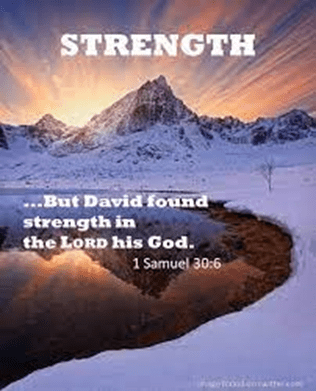
When David and his men came to the city, they found it burned down and their wives and sons and daughters taken captive. So, David and the troops with him lifted up their voices and wept until they had no strength left to weep. David’s two wives, Ahinoam of Jezreel and Abigail the widow of Nabal of Carmel, had been taken captive. And David was greatly distressed because the people spoke of stoning him, because the soul of every man grieved for his sons and daughters. But David found strength in the LORD his God.
Then David said to Abiathar the priest, the son of Ahimelech, “Bring me the ephod.”
So Abiathar brought it to him, and David inquired of the LORD: “Should I pursue these raiders? Will I overtake them?”
“Pursue them,” the LORD replied, “for you will surely overtake them and rescue the captives.”
So, David and his six hundred men went to the Brook of Besor, where some stayed behind because two hundred men were too exhausted to cross the brook. But David and four hundred men continued in pursuit.
Now his men found an Egyptian in the field and brought him to David. They gave the man water to drink and food to eat— a piece of a fig cake and two clusters of raisins. So, he ate and was revived, for he had not had any food or water for three days and three nights.
Then David asked him, “To whom do you belong, and where are you from?”
“I am an Egyptian,” he replied, “the slave of an Amalekite. My master abandoned me three days ago when I fell ill. We raided the Negev of the Cherethites, the territory of Judah, and the Negev of Caleb, and we burned down Ziklag.”
“Will you lead me to these raiders?” David asked.
And the man replied, “Swear to me by God that you will not kill me or deliver me into the hand of my master, and I will lead you to them.” So, he led David down, and there were the Amalekites spread out over all the land, eating, drinking, and celebrating the great amount of plunder they had taken from the land of the Philistines and the land of Judah. And David struck them down from twilight until the evening of the next day. Not a man escaped, except four hundred young men who fled, riding off on camels.
So, David recovered everything the Amalekites had taken, including his two wives. Nothing was missing, young or old, son or daughter, or any of the plunder the Amalekites had taken. David brought everything back. And he recovered all the flocks and herds, which his men drove ahead of the other livestock, calling out, “This is David’s plunder!”
When David came to the two hundred men who had been too exhausted to follow him from the Brook of Besor, they came out to meet him and the troops with him. As David approached the men, he greeted them, but all the wicked and worthless men among those who had gone with David said, “Because they did not go with us, we will not share with them the plunder we recovered, except for each man’s wife and children. They may take them and go.” But David said, “My brothers, you must not do this with what the LORD has given us. He has protected us and delivered into our hands the raiders who came against us. Who will listen to your proposal? The share of the one who went to battle will match the share of the one who stayed with the supplies. They will share alike.”
And so it has been from that day forward. David established this statute as an ordinance for Israel to this very day.
When David arrived in Ziklag, he sent some of the plunder to his friends, the elders of Judah, saying, “Here is a gift for you from the plunder of the LORD’s enemies.” He sent gifts to those in Bethel, Ramoth Negev, and Jattir; to those in Aroer, Siphmoth, and Eshtemoa; to those in Racal and in the cities of the Jerahmeelites and Kenites; to those in Hormah, Bor-ashan, and Athach; and to those in Hebron and in all the places where David and his men had roamed.”
Poor David and his men! David and his forces followed the Philistines to the battle with the Israelites, only to be sent back to Ziklag. But while Ziklag was left undefended, Amalekite raiders had pounced on the city, destroying it and carrying off all its inhabitants. Imagine what David and his men must have felt when they came over that last hill, only to see only smoking ruins. No wonder that these big tough soldiers wept until they had no tears left! But once the weeping stopped, the soldiers began screaming out their anger, threatening to stone David. If David hadn’t made those ridiculous promises to King Achish, they would have stayed in Ziklag and the Amalekites would never have had a chance. “The soul of every man grieved for his sons and daughters.”
This must have been one of the low points of David’s life. The Amalekites had carried off both David’s wives and all his children, so David was grieving just as much as his men. “But David strengthened himself in the Lord.” Rather than giving way to despair, David turned to God, and God strengthened him. Under divine guidance, David pursued the raiders, catching up with them and killing all of them, except for four hundred young men who escaped on camels. Weeping turned to joy as men embraced their wives and children. And not only did David and his men recover everything that the Amalekites had stolen, but they also gained a great deal of plunder in addition. There was so much plunder that when David returned to Ziklag, he shared some of the loot with the elders of some of the main cities in Judah, especially those places that had helped David.
But a problem arose. As David and his men were pursuing the Amalekites, 200 men became exhausted and remained behind while 400 men continued with David and attacked the Amalekites. Once the battle was over, the 400 men who had fought wanted to deny the 200 men who had stayed behind any share of the plunder. But David insisted that the men who had remained behind should have an equal share. “But David said, “My brothers, you must not do this with what the LORD has given us. He has protected us and delivered into our hands the raiders who came against us. Who will listen to your proposal? The share of the one who went to battle will match the share of the one who stayed with the supplies. They will share alike.”
APPLICATION: The Bible calls David a man after God’s own heart. This story graphically illustrates why men were willing to risk their lives to follow David. When faced with disaster, David sought guidance from God and then acted on it. David had compassion on all of his men, not only those who fought but also those who stayed behind. David was also generous in victory, sending gifts to the elders of the cities that had helped him.
The measure of a leader is not merely how successful he or she is, but also how well that leader cares for all of those working them at all levels. Good leaders care for the “little people” who make daily efforts possible, refusing to ignore them or to lord it over them. Another test of an effective leader is a willingness to help those immediately below them to fully develop. Great leaders encourage and applaud when those they have mentored succeed in outdoing their mentors. May God grant us the ability to encourage and mentor those around us!
PRAYER: Father God, thank You for loving us and for caring for us. Lord, many of us are facing low points in our lives. Help us to look to you for strength and guidance. And help us to be willing to encourage all those around us so that they can fulfill Your perfect will for their lives. In the mighty and precious Name of King Jesus. Amen.
 Burunche's Blog
Leave a comment