Archive for April, 2022

APRIL 10, 2022 SO YOU WANT TO BE A PROPHET #26 1 SAMUEL 16:14 – 22 WHICH SPIRIT IS MOVING YOU?

April 10, 2022

1 Samuel 16:14 – 22 “After the Spirit of the LORD had departed from Saul, a spirit of distress from the LORD began to torment him. Saul’s servants said to him, “Surely a spirit of distress from God is tormenting you. Let our lord command your servants here to seek out someone who can skillfully play the harp. Whenever the spirit of distress from God is upon you, he is to play it, and you will be well.”

And Saul commanded his servants, “Find me someone who plays well, and bring him to me.”

One of the servants answered, “I have seen a son of Jesse of Bethlehem who knows how to play the harp. He is a mighty man of valor, a warrior, eloquent and handsome, and the LORD is with him.”

So, Saul sent messengers to Jesse and said, “Send me your son David, who is with the sheep.”

And Jesse took a donkey loaded with bread, a skin of wine, and one young goat, and sent them to Saul with his son David. When David came to Saul and entered his service, Saul admired him greatly, and David became his armor-bearer.

Then Saul sent word to Jesse, saying, “Let David remain in my service, for I am pleased with him.” And whenever the spirit from God came upon Saul, David would pick up his harp and play, and Saul would become well, and the spirit of distress would depart from him.”

The Spirit of the Lord has departed from Saul, but why? Originally, God sent the prophet Samuel to anoint Saul as king over Israel; however, at critical moments when obedience was absolutely essential, Saul rebelled, giving only partial obedience, which was actually no obedience at all. The Holy Spirit will not remain where He is not welcome. Now a “spirit of distress from God” is troubling Saul. But is this spirit actually from God or from Satan? We might wonder if the Israelites have misinterpreted things; why might God send such a spirit on anybody? The Holy Spirit woos gently, but people can ignore the Holy Spirit. Perhaps God is sending a “spirit of distress” on Saul in hopes of bringing Saul to Himself. On the other hand, we know that Saul has steadfastly refused to obey the Lord for a long time. Perhaps this spirit of distress is from Satan because Saul has refused the protection of God’s Holy Spirit.

There is also another possibility regarding this spirit troubling Saul. When Saul was assigned to kill King Agag, he refused, leaving that job for Samuel. Could it be that Agag invoked the name of a pagan god that both Saul and he were worshiping? People are made for worship, and if they will not worship the One True Living God, they will still worship someone or something. We know that Saul has repeatedly spoken to Samuel about worshiping “Your (Samuel’s) Lord.” Can it be that Saul has been secretly worshiping demons and now the demons are troubling Saul? When David is playing the harp, he is likely playing songs of praise to the Lord, something that demons cannot tolerate, so they leave. David’s praise songs invite the presence of the Holy Spirit, the spirit of peace, and the Holy Spirit has already rushed on David at the time of Samuel’s anointing him. As long as David continues to praise the Lord, the Holy Spirit is present. Once David leaves, Saul’s presence, the Holy Spirit leaves with him.

APPLICATION: “There is no such thing as neutrality in the spiritual world!” It was the early 1990’s and I was conversing with a Catholic priest who had been initiated as a traditional diviner during his work on his doctoral thesis. We were discussing the Konkomba bush spirits, and my friend was insisting that these spirits were neutral, being neither for God nor for Satan. But I contended that such neutrality did not exist. I came to realize that my friend’s involvement with the occult had rendered him spiritually blind in this area.

Spiritual blindness and demon possession may go together! Today, there are so many things to distract us from God. Through the internet, we can access unlimited numbers of videos and watch them on cell phones for hours. We must carefully guard our hearts and minds so that we refuse to watch anything wrong or perverted. If we are not careful, we may come under the influence of the spirits that prompted those posting the videos.

We can access online church services and watch them as well. But notice something: David was actively involved in worship, and the Holy Spirit was with him. Saul was only in the presence of the Holy Spirit as long as David was present. When David would leave, the “spirit of distress” would return.

David was a worshiper, and if we desire the presence of the Holy Spirit in our lives, we too must worship. “But,” you lament, “I can neither sing nor play an instrument.” Fine, but you can still think and speak. You can worship God just as much by praying prayers of gratitude and praise, as long as those prayers are from your heart. You can sing when you are by yourself and God will still hear your praises just as well as if you are in the midst of a big congregation.

Let us be very careful! The things you watch and listen to will continue to echo in your mind long after you are no longer watching or listening. Make sure you are feeding on the Word of God and on things that exalt Him, rather than casually submitting yourself to any influences available.

PRAYER: Father God, thank You for loving us and for caring for us. Lord, help us to be careful about the influences we allow into our minds and hearts. Help us to worship You in spirit and in truth every day of our lives. In the matchless Name of King Jesus. Amen.

APRIL 9, 2022 SO YOU WANT TO BE A PROPHET #25 1 SAMUEL 16:1 – 13 GOD IS NOT IMPRESSED BY APPEARANCES!

April 9, 2022

1 Samuel 16:1 – 13 “Now the LORD said to Samuel, “How long are you going to mourn for Saul, since I have rejected him as king over Israel? Fill your horn with oil and go. I am sending you to Jesse of Bethlehem, for I have selected from his sons a king for Myself.”

“How can I go?” Samuel asked. “Saul will hear of it and kill me!”

The LORD answered, “Take a heifer with you and say, ‘I have come to sacrifice to the LORD.’ Then invite Jesse to the sacrifice, and I will show you what you are to do. You are to anoint for Me the one I indicate.”

So, Samuel did what the LORD had said and went to Bethlehem. When the elders of the town met him, they trembled and asked, “Do you come in peace?”

“In peace,” he replied. “I have come to sacrifice to the LORD. Consecrate yourselves and come with me to the sacrifice.” Then he consecrated Jesse and his sons and invited them to the sacrifice. When they arrived, Samuel saw Eliab and said, “Surely here before the LORD is His anointed.”

But the LORD said to Samuel, “Do not look at his appearance or height, for I have rejected him; the LORD does not see as man does. For man sees the outward appearance, but the LORD sees the heart.”

Then Jesse called Abinadab and presented him to Samuel, who said, “The LORD has not chosen this one either.”

Next Jesse presented Shammah, but Samuel said, “The LORD has not chosen this one either.” Thus, Jesse made seven of his sons pass before Samuel, but Samuel told him, “The LORD has not chosen any of these.”

And Samuel asked him, “Are these all the sons you have?”

“There is still the youngest,” Jesse replied, “but he is tending the sheep.”

“Send for him,” Samuel replied. “For we will not sit down to eat until he arrives.”

So, Jesse sent for his youngest son and brought him in. He was ruddy, with beautiful eyes and a handsome appearance. And the LORD said, “Rise and anoint him, for he is the one.”

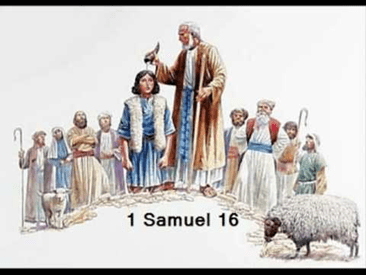
So, Samuel took the horn of oil and anointed him in the presence of his brothers, and the Spirit of the LORD rushed upon David from that day forward. Then Samuel set out and went to Ramah.”

Saul has turned away from the Lord and now the Lord is turning away from Saul. It is Saul himself who has formed an obstruction between himself and God. God instructs Samuel to fill his anointing horn with oil and to go to Bethlehem; however, Samuel realizes that Saul has become dangerous and fears that Saul will kill him. Samuel’s statement is a sad commentary on Saul’s spiritual deterioration. The Lord advises Samuel to take along a heifer for a sacrifice, something that Samuel would commonly do anyway.

It’s ironic that even though Samuel fears Saul, the elders of Bethlehem tremble when they see Samuel and ask if he is coming in peace. Obviously, the elders of Bethlehem are worried that Samuel may be coming to confront them on some issue. What are these elders hiding? Who knows? But Samuel reassures the elders, consecrating them and inviting them to the sacrifice. It’s likely that Jesse is one of the elders, so such an invitation would taken for granted.

When Samuel asks Jesse to have his sons present themselves, Jesse is probably both excited and worried. Samuel, the prophet, is asking to see his sons; what’s going on? Has one of the boys committed some sin? Is God about to wipe out everyone in Jesse’s family? Samuel doesn’t explain but simply begins going from one son to the next, carrying his anointing oil with him. Finally, Samuel himself is baffled and turns to Jesse. “Are these all of your sons?” Samuel asks. “Well, there’s the teenager out watching the sheep,” Jesse replies in confusion. While Jesse keeps a straight face, he’s thinking, “DAVID??? Samuel wants to see DAVID? Why? David is the youngest and smallest; he’s just a small boy. What’s going on?” 

Jesse calls David, and as soon as David comes, God orders Samuel to anoint David. “So, Samuel took the horn of oil and anointed him in the presence of his brothers, and the Spirit of the LORD rushed upon David from that day forward.” Throughout Samuel’s life, he has felt the presence of the Lord, but when the Holy Spirit rushes upon David, Samuel stands entranced and amazed. The weight of holiness enfolding David is so strong that it is overwhelming. Samuel is almost driven to his knees. The Hebrew term for the Holy Spirit is “Ruach ha – kodesh.” “Ruach” can mean either “spirit” or “breath.” Samuel realizes that God has breathed over David, empowering him. For Samuel, there is no doubt that David is most certainly the Lord’s anointed who will become king instead of Saul.

APPLICATION: For years, God’s choice of David has given hope to untold numbers of believers. David’s story is the ultimate “feel good” tale. The least likely member of the family turns out to be a future king. David has been risking his life, guarding the family flocks. By David’s own admission later on, he has had to kill lions and bears with only his sling and his staff as weapons. There is nothing to indicate that Jesse has worried about David; after all, Jesse thinks so little of David that when Samuel comes inviting Jesse and his sons to a sacrifice and the feast afterwards, Jesse doesn’t even invite David, but leaves him out in the field with the sheep.

Why has God chosen David, a fifteen – year old nobody? For years, while tending those sheep and goats, David has been spending time with God. While other shepherd boys might be playing games or sleeping, David has taught himself to play the harp and has been talking with God. To protect the sheep and goats, David has also become a deadly marksman with a sling. Today we think very little of slings; however, in the ancient world, slings served the same purpose as long – range rifles in the hands of sharpshooters. Judges 20:16 gives this description: “Among Benjamin’s elite troops, 700 were left-handed, and each of them could sling a rock and hit a target within a hairsbreadth without missing.“ A sling is highly portable and requires only rocks and a skilled user to render it a lethal weapon.  

One thing David has NOT been doing as he sits all alone with his sheep; David has not been wasting time feeling sorry for himself. There is nothing to indicate that David has worried about his age or his position in the family; instead, David has been steadily growing spiritually and physically.

Are you a David? Have you been given a lowly position in your organization? Do you feel marginalized? Take heart! Remember that all the time that David was out there in that pasture by himself, God was still with him. Each time David picked up that harp and played to the Lord or picked up that slingshot and practiced his sharp – shooting, God was there watching and smiling.

Colossians 3:17 tells us, “And whatever you do, in word or deed, do it all in the name of the Lord Jesus, giving thanks to God the Father through Him.” Are you a cleaner or a janitor? Then clean to the glory of God! Make the place you clean shine so that anyone who comes there will be comfortable. In New York City, one man was operating an elevator in a huge office building. Rather than leave the elevator unadorned, this man began asking people who rode his elevator for their prayer requests and posting anonymous prayer requests on the walls of the elevator. In addition, this man also decorated the elevator beautifully. Workers in that office building would stand in line to ride that elevator to the exclusion of others, just to see what was new that day and to get the operator to pray for them. Many people testified that simply riding that elevator became one of the brightest spots of their day. Most of the people in that office building remained anonymous, but everybody knew their friend, the elevator operator.

PRAYER: Father God, thank you for loving us and for caring for us. Lord, help us to realize that You have called us to be right where we are right now and that You can make us a blessing to all those around us, if we will only let You. Help us to listen for Your voice and to follow hard after You all the days of our lives. In the mighty and precious Name of King Jesus. Amen.
APRIL 8, 2022 SO YOU WANT TO BE A PROPHET #24 1 SAMUEL 15:24 – 35 DON’T MAKE GOD REGRET THAT HE CALLED YOU!

April 8, 2022

1 Samuel 15:24 – 35 “Then Saul said to Samuel, “I have sinned; I have transgressed the LORD’s commandment and your instructions, because I feared the people and obeyed their voice. Now therefore, please forgive my sin and return with me so I can worship the LORD.”

“I will not return with you,” Samuel replied. “For you have rejected the word of the LORD, and He has rejected you as king over Israel.”

As Samuel turned to go, Saul grabbed the hem of his robe, and it tore. So, Samuel said to him, “The LORD has torn the kingdom of Israel from you today and has given it to your neighbor who is better than you. Moreover, the Glory of Israel does not lie or change His mind, for He is not a man, that He should change His mind.”

“I have sinned,” Saul replied. “Please honor me now before the elders of my people and before Israel. Come back with me, so that I may worship the LORD your God.”

So, Samuel went back with Saul, and Saul worshiped the LORD.

Then Samuel said, “Bring me Agag king of the Amalekites.”

Agag came to him cheerfully, for he thought, “Surely the bitterness of death is past.”

But Samuel declared: “As your sword has made women childless, so your mother will be childless among women.”

And Samuel hacked Agag to pieces before the LORD at Gilgal.

Then Samuel went to Ramah, but Saul went up to his home in Gibeah of Saul. And to the day of his death, Samuel never again visited Saul. Samuel mourned for Saul, and the LORD regretted that He had made Saul king over Israel.”

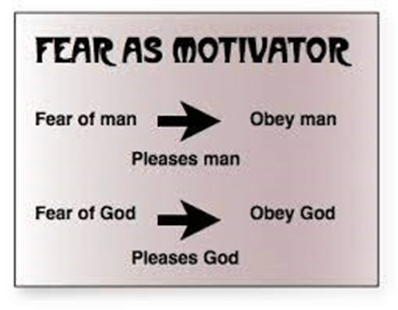
Saul is a people – pleaser, not a God – pleaser. All Saul’s life, he has been driven by popular opinion. Having no relationship whatsoever with the One True Living God, Saul can only listen to the voices around him. Even when Saul is caught in total rebellion, he begs Samuel to forgive his sins against God and to return with him; he does not beg God to forgive his sins. Saul thinks that as long as Samuel will forgive him and accompany him, then he’s square with God and he can worship God. Saul wants to be honored among the elders of his people, presumably, the elders of the tribe of Benjamin, and the Israelites. But what kind of worship does Saul intend to do? Saul has not repented; he merely has regrets and is hoping to get off lightly.

Saul wants to go back and stand before the people, offering animals and impressing everyone as to what a great leader he is. Saul fails to realize that this time, he has failed irrevocably and has forfeited the kingdom by his disobedience. Samuel is fed up and turns to leave. When Saul grabs Samuel’s robe, the piece he grabs tears away from the robe as a sign that God has torn the kingdom away from Saul. Samuel further reminds Saul “Moreover, the Glory of Israel does not lie or change His mind, for He is not a man, that He should change His mind.”

Even after such an impressive sign, Saul remains unrepentant, begging Samuel to accompany him for the sake of appearances. Samuel reluctantly agrees to return with Saul; however, his heart is not in it.

Meanwhile, King Agag is beginning to think he’s going to get off lightly. Why has Saul saved Agag? Has Agag promised Saul hidden treasure if Saul will spare his life? Has Saul been secretly worshiping the same deities as Agag and has Agag invoked the names of those deities? At any rate, it is not Saul who kills Agag, but aged Samuel, who hacks Agag to pieces before the Lord in Gilgal. In effect, Samuel makes Agag a sacrifice to the Lord.  

The saddest part of the whole story is the conclusion: “Then Samuel went to Ramah, but Saul went up to his home in Gibeah of Saul. And to the day of his death, Samuel never again visited Saul. Samuel mourned for Saul, and the LORD regretted that He had made Saul king over Israel.” How tragic! Saul has now been rejected by both the Lord and by Samuel, God’s representative. God even regrets that He has ever called Saul to be king.

APPLICATION: Proverbs 29:25 tells us, “The fear of man brings a snare, but whoever trusts in the Lord shall be safe.” Saul is driven by popular opinion and has little regard for God. Much of what Saul does is for show. Saul wants Samuel to return with him to keep up appearances. What might happen if Saul were to truly repent and to fall on his face before the Lord? Certainly, God would respond to true repentance by forgiving as He always does. Saul would still ultimately lose the kingdom but he would have a personal relationship with the One True Living God – something precious that nobody could take away from him. But Saul is not a believer, nor does this cataclysmic even result in a change in Saul’s heart. Later on, Saul actually develops mental problems, possibly from the demons he has worshiped in secret. All that mental anguish could be avoided if Saul were to truly repent and begin to actually follow God.

Samuel returns to his home in Ramah and stays there, refusing to visit Saul any more. What’s the point? Saul has rejected God and has also rejected Samuel’s counsel. Any visits would simply be a waste of time and energy.

Saul has already lost the opportunity to found a dynasty by refusing to destroy the best animals captured from the Amalekites. Now Saul has lost his kingdom as well. The ultimate tragedy of Saul is not merely these losses but also the fact that not once has Saul ever actually humbled himself before God. All Saul’s acts of worship have been simply that – acting.

Does God hate Saul? Absolutely not! God is grieving because He wants Saul to come to Him simply and pray and worship in the most profound manner possible. God has always wanted Saul to love Him and to love His Word. Only God knows how many chances He has given Saul to worship and how many times Saul has turned away, settling for making a show instead. True worship is not a matter of the number of religious rituals one observes, but one’s heart attitude. God desires Saul to sit quietly and say the same thing that the child Samuel said, “Speak, Lord, for your servant is listening.” God has always wanted Saul to become His obedient servant.

Hundreds of years later, Jesus told the woman at the well in Samaria that “God is Spirit, and those who worship Him must worship in spirit and in truth.” (John 4:24) How do we worship God? Do we worship God at all, or are we depending on someone else to do the worshiping for us? There is nothing wrong with watching on – line services or services on social media, provided our hearts are truly joining in the worship as well. But we cannot merely be observers. If we are not turning our hearts toward God, then we are entertaining ourselves but we are not worshiping.

PRAYER: Father God, thank You for loving us and for caring for us. Lord, we confess that we have not worshiped You as we should have. Help us to follow hard after You all the days of our lives and help us to worship You at every opportunity. Thank You for guiding us and leading us in paths of righteousness. In the mighty and precious Name of King Jesus. Amen.

APRIL 7, 2022 SO YOU WANT TO BE A PROPHET #23 1 SAMUEL 15:1 -23 ARE YOU PRACTICING WITCHCRAFT WITHOUT KNOWING IT?

April 7, 2022

1 Samuel 15:1 – 23 “Then Samuel said to Saul, “The LORD sent me to anoint you king over His people Israel. Now therefore, listen to the words of the LORD. This is what the LORD of Hosts says: ‘I witnessed what the Amalekites did to the Israelites when they ambushed them on their way up from Egypt. Now go and attack the Amalekites and devote to destruction (The Hebrew term refers to giving over things or persons to the LORD, either by destroying them or by giving them as an offering) all that belongs to them. Do not spare them, but put to death men and women, children and infants, oxen and sheep, camels and donkeys.’”

So, Saul summoned the troops and numbered them at Telaim—200,000 foot soldiers and 10,000 men of Judah. Saul came to the city of Amalek and lay in wait in the valley. And he warned the Kenites, “Since you showed kindness to all the Israelites when they came up out of Egypt, go on and get away from the Amalekites. Otherwise, I will sweep you away with them.” So, the Kenites moved away from the Amalekites.

Then Saul struck down the Amalekites all the way from Havilah to Shur, which is east of Egypt. He captured Agag king of Amalek alive, but devoted all the others to destruction with the sword.

Saul and his troops spared Agag, along with the best of the sheep and cattle, the fat calves and lambs, and the best of everything else. They were unwilling to destroy them, but they devoted to destruction all that was despised and worthless.

Then the word of the LORD came to Samuel, saying, “I regret that I have made Saul king, for he has turned away from following Me and has not carried out My instructions.”

And Samuel was distressed and cried out to the LORD all that night.

Early in the morning Samuel got up to confront Saul, but he was told, “Saul has gone to Carmel, and behold, he has set up a monument for himself and has turned and gone down to Gilgal.”

When Samuel reached him, Saul said to him, “May the LORD bless you. I have carried out the LORD’s instructions.”

But Samuel replied, “Then what is this bleating of sheep and lowing of cattle that I hear?”

Saul answered, “The troops brought them from the Amalekites; they spared the best sheep and cattle to sacrifice to the LORD your God, but the rest we devoted to destruction.”

“Stop!” exclaimed Samuel. “Let me tell you what the LORD said to me last night.” “Tell me,” Saul replied.

And Samuel said, “Although you were once small in your own eyes, have you not become the head of the tribes of Israel? The LORD anointed you king over Israel and sent you on a mission, saying, ‘Go and devote to destruction the sinful Amalekites. Fight against them until you have wiped them out.’ So why did you not obey the LORD? Why did you rush upon the plunder and do evil in the sight of the LORD?”

“But I did obey the LORD,” Saul replied. “I went on the mission that the LORD gave me. I brought back Agag king of Amalek and devoted the Amalekites to destruction. The troops took sheep and cattle from the plunder, the best of the things devoted to destruction, in order to sacrifice them to the LORD your God at Gilgal.”

But Samuel declared:

“Does the LORD delight in burnt offerings and sacrifices as much as in obedience to His voice?

Behold, obedience is better than sacrifice, and attentiveness is better than the fat of rams.

For rebellion is like the sin of divination, and arrogance is like the wickedness of idolatry.

Because you have rejected the word of the LORD, He has rejected you as king.”

God instructed Samuel to order Saul to destroy ALL of the Amalekites, including men, women, children, infants, and all of the animals. Why would a loving God order such annihilation? The only answer that makes sense is that everything in the Amalekite kingdom had already been irrevocably dedicated to demons. Anything or anybody that survived would carry demonic influences with them, and the Israelites had no need of any more demons to add to the ones they were already worshiping. The point was that Saul was given orders, and he failed, compromising and then whining like a small child caught with his hand in the cookie jar.

Saul and his troops spared Agag, along with the best of the sheep and cattle, the fat calves and lambs, and the best of everything else. They were unwilling to destroy them, but they devoted to destruction all that was despised and worthless.” Note the phrase “they were unwilling.” God had already given a command; at that point, Saul’s ideas about what should happen were irrelevant. The Nike slogan applied here: “Just do it!” Why did Saul save Agag? What was the point? Did Saul intend to parade Agag through the streets and then kill him? Did Saul intend to execute Agag publicly in a particularly dramatic fashion, thus glorifying himself instead of God? Saul and his men saved “the best of everything else;” in other words, LOOT!!! Not willing to follow God completely or to trust that God would repay them, Saul and his men wanted a quick pay day.

Saul has gone to Carmel, and behold, he has set up a monument for himself and has turned and gone down to Gilgal.” Carmel is a mountain range overlooking the seacoast, while Gilgal is some distance to the east. Obviously, Saul has become so enamored of himself that he has set up a monument to his victory on the highest place he could find and has now taken off for Gilgal. Unfortunately, that monument is probably the last monument Saul will ever erect due to his insubordination. To confront Saul, Samuel must travel to Gilgal as well.  

The saddest part of Saul’s attempts to manipulate Samuel was the repeated use of the phrase “the Lord YOUR God.” Despite the fact that God gave Saul the kingship and that God had preserved Saul’s life for so many years, Saul had never formed a personal relationship with God himself, but was still clinging to Samuel’s spiritual coattails. But if the Lord was not Saul’s God, whom was Saul worshiping? Was Saul clinging to idols and was that part of the reason he was unwilling to totally destroy everything pertaining to the Amalekites?

For rebellion is like the sin of divination, and arrogance is like the wickedness of idolatry.” We know that later on, Saul resorted to divination, but was Saul already employing divination and worshiping idols at the time he failed to completely destroy everything pertaining to the Amalekites? Saul evidently felt the Lord of Israel was a local deity who could be propitiated by elaborate offerings, thus freeing Saul to continue to act as he pleased. (Part of the reason Saul saved the best animals – he hoped to sacrifice a few to the Lord and then to keep everything else for his soldiers and for himself. Perhaps some of Saul’s soldiers also influenced him, “Did Samuel REALLY tell you that you had to destroy everything?”)

APPLICATION: Centuries after Saul’s downfall, the temptation to practice witchcraft remains a potent one. All of witchcraft is aimed at controlling someone or something – individuals, the weather, events, etc. Rebellion is the foundation stone of witchcraft; those practicing witchcraft are refusing to trust God to work things out but choose to take matters into their own hands. In effect, such people are telling God that they know how things should work better than He does, even though God is all – powerful, all – knowing, and all – sufficient. Rebellion and control are the two sides of the witchcraft coin.

Saul lost his kingship because he refused to carry out instructions completely. Incomplete obedience and lying about it still amounts to rebellion. If we were given the same opportunities Saul was given, would we do any better? If our relationship to God is not a personal one, if we view God as some grand old man in the sky to be bought off in some fashion, when the pressure comes, we too will fail miserably.

The question each one of us must answer individually is this: Who do you say God is? Who do you say Jesus Christ is? If you know Jesus Christ to be the only Son of his heavenly Father, empowered by the Holy Spirit and if you are truly following Jesus, then when testing comes, those relationships will preserve you. But if you are trying to ride on the coattails of someone else’s faith, beware! You too can lose!

PRAYER: Father God, thank You for loving us and for caring for us. Lord, let all those who read this devotional truly put their trust in You and in the blood sacrifice made by Jesus Christ for the sins of the whole world. In the mighty and precious Name of King Jesus. Amen.    

APRIL 6, 2022 SO YOU WANT TO BE A PROPHET #22 1 SAMUEL 14:47 – 52 ARE YOU GROWING AS A LEADER, OR HAVE YOU STAGNATED?

April 6, 2022

1 Samuel 14:47 – 52 “After Saul had assumed the kingship over Israel, he fought against all his enemies on every side—the Moabites, the Ammonites, the Edomites, the kings of Zobah, and the Philistines. Wherever he turned, he routed them. He fought valiantly and defeated the Amalekites, delivering Israel from the hands of its plunderers.

Now the sons of Saul were Jonathan, Ishvi, and Malchishua. His two daughters were named Merab (his firstborn) and Michal (his younger daughter). His wife’s name was Ahinoam daughter of Ahimaaz. The name of the commander of his army was Abner, the son of Saul’s uncle Ner. Saul’s father Kish and Abner’s father Ner were sons of Abiel.

And the war with the Philistines was fierce for all the days of Saul. So whenever he noticed any strong or brave man, he would enlist him.”

This account is reminiscent of the conquest accounts from the Book of Joshua; on the other hand, Saul was still functioning under God’s anointing, so perhaps he really did succeed the way these verses indicate. When Saul failed to wait for Samuel and offered sacrifices himself, he lost the opportunity for his kingdom to be established for many generations. But God retained Saul as king over Israel, and Samuel continued to pray for him.  Saul still had lots of opportunities to obey God and to leave a godly heritage behind for succeeding generations.

Saul was impetuous and short – sighted. but he did a number of things correctly. “Whenever he (Saul) noticed any strong or brave man, he would enlist him.” These men obviously saw something to admire in Saul; otherwise, they would never have allowed themselves to be enlisted. According to the “Chronology of the United Kingdom” timeline, Saul was probably at least 30 years into his 42 – year reign. Samuel died during the 38th year of Saul’s reign, and things deteriorated noticeably at that point, perhaps because Saul had relied so much on Samuel or perhaps because Samuel was no longer alive to pray on Saul’s behalf. (https://www.bible.ca/archeology/bible-archeology-maps-timeline-chronology-1samuel-16-20-saul-jonathan-david-1019-1012bc.htm )

As Saul continued in his reign, he failed to learn from his mistakes, to grow and to become a better ruler. Samuel was around for 38 of the 42 years of Saul’s reign and probably would have been glad to help Saul and to teach him. Sadly, Saul never took advantage of Samuel as a teacher. Saul thought of himself as a warrior and the longer he was king, the more his ego expanded and the less willing he was to listen to advice if it didn’t agree with his preconceived ideas.

APPLICATION: One problem with leadership is this: You must keep growing or you will stagnate. You must keep re – inventing yourself and allowing your organization to grow. The day you refuse to change is the day things will begin go downhill. Saul did well as long as he was in warrior mode, but there is nothing to indicate that he ever grew spiritually or emotionally. Even though Saul’s impatience had cost him the opportunity to found a dynasty, that didn’t change.

Throughout my medical career, I have noticed that the people who live long and productive lives are those who remain vitally interested in everything around them. Many times, these people take up new hobbies, learn new languages, and continue useful community services such as reading programs for primary school children. Anna Mary Robertson Moses, a.k.a. “Grandma Moses,” was a well – known American painter who did not begin recording scenes from her New England childhood until she was 77. Grandma Moses painted up to a few months before her death at age 101.

The question for all of us as we grow older is this: are we becoming better or more bitter? Those who allow God to continue to change them and make them into His likeness become sweeter as they age. Those who refuse to allow God to renew them are doomed to becoming smaller and more bitter.

Benjamin Franklin observed that “A man wrapped up in himself makes a very small bundle.” Saul remained wrapped up in himself for his entire reign as king. The results were tragic.

PRAYER: Father God, thank You for loving us and for caring for us. Lord, help us to grow into Your likeness. In the mighty and precious Name of King Jesus. Amen.
APRIL 5, 2022 SO YOU WANT TO BE A PROPHET #21 1 SAMUEL 14: 24 – 46 WHEN BEING A DRAMA KING COSTS YOU A MAJOR VICTORY!

April 5, 2022

1 Samuel 14:24 – 46 “Now the men of Israel were in distress that day, for Saul had placed the troops under an oath, saying, “Cursed is the man who eats any food before evening, before I have taken vengeance on my enemies.” So none of the troops tasted any food. Then all the troops entered the forest, and there was honey on the ground. And when they entered the forest and saw the flowing honey, not one of them put his hand to his mouth, because they feared the oath.

Jonathan, however, had not heard that his father had charged the people with the oath. So he reached out the end of the staff in his hand, dipped it into the honeycomb, and put his hand to his mouth; and his eyes brightened (and his strength was renewed.) Then one of the soldiers told him, “Your father bound the troops with a solemn oath, saying, ‘Cursed is the man who eats food today.’ That is why the people are faint.” “My father has brought trouble to the land,” Jonathan replied. “Just look at how my eyes have brightened because I tasted a little of this honey. How much better it would have been if the troops had eaten freely today from the plunder they took from their enemies! Would not the slaughter of the Philistines have been much greater?”

That day, after the Israelites had struck down the Philistines from Michmash to Aijalon, the people were very faint. So they rushed greedily to the plunder, taking sheep, cattle, and calves. They slaughtered them on the ground and ate meat with the blood still in it.

Then someone reported to Saul: “Look, the troops are sinning against the LORD by eating meat with the blood still in it.”

“You have broken faith,” said Saul. “Roll a large stone over here at once.” Then he said, “Go among the troops and tell them, ‘Each man must bring me his ox or his sheep, slaughter them in this place, and then eat. Do not sin against the LORD by eating meat with the blood still in it.’”

So that night everyone brought his ox and slaughtered it there. Then Saul built an altar to the LORD; it was the first time he had built an altar to the LORD.

And Saul said, “Let us go down after the Philistines by night and plunder them until dawn, leaving no man alive!”

“Do whatever seems good to you,” the troops replied.

But the priest said, “We must consult God here.”

So Saul inquired of God, “Shall I go down after the Philistines? Will You give them into the hand of Israel?”

But God did not answer him that day.

Therefore Saul said, “Come here, all you leaders of the troops, and let us investigate how this sin has occurred today. As surely as the LORD who saves Israel lives, even if it is my son Jonathan, he must die!”

But not one of the troops said a word.

Then Saul said to all Israel, “You stand on one side, and I and my son Jonathan will stand on the other side.” And the troops replied, “Do what seems good to you.”

So Saul said to the LORD, the God of Israel, “Why have You not answered Your servant this day? If the fault is with me or my son Jonathan, respond with Urim; but if the fault is with the men of Israel, respond with Thummim.” And Jonathan and Saul were selected, but the people were cleared of the charge.

Then Saul said, “Cast the lot between me and my son Jonathan.” And Jonathan was selected. “Tell me what you have done,” Saul commanded him.

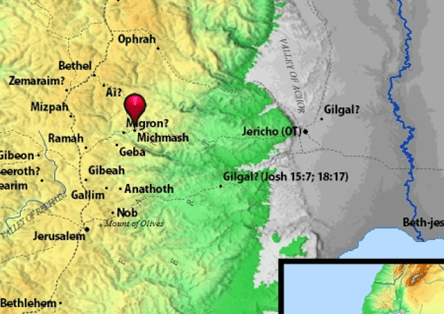
Michmash. Map by BibleAtlas.org.So Jonathan told him, “I only tasted a little honey with the end of the staff that was in my hand. And now I must die?”

And Saul declared, “May God punish me, and ever so severely, if you, Jonathan, do not surely die!”

But the people said to Saul, “Must Jonathan die—he who accomplished such a great deliverance for Israel? Never! As surely as the LORD lives, not a hair of his head will fall to the ground, for with God’s help he has accomplished this today.”

So the people rescued Jonathan, and he did not die. Then Saul gave up his pursuit of the Philistines, and the Philistines returned to their own land.”

SAUL WAS A DUNCE AND AN EGOTIST!  Good commanders consider the welfare of their troops and make sure they will be able to fight as effectively as possible. Saul swore a ridiculous oath, “Cursed is the man who eats any food before evening, before I have taken vengeance on my enemies.” HUH? Whose enemies are we talking about here? The Philistines are the enemies of all of Israel, not merely Saul. But Saul is a drama king and puts his mouth into gear before engaging his brain. The results are disastrous. Instead of the Israelites being able to completely defeat their enemies, these fighters are on the point of collapse, even though God has provided honey to give them energy. But Saul has sworn a terrible oath, and these guys would rather faint than be killed.

Jonathan doesn’t get the memo, so he eats some honey and feels energized. When the Israelites learn that Jonathan has taken some honey, they are so hungry that they begin slaughtering animals and eating them without allowing the blood to drain on the ground as Moses commanded. Saul does well in commanding the soldiers to bring their animals for ritual slaughter and also builds an altar. But where are the priests who should be overseeing the slaughter of the animals? We don’t know if the priests were involved or not.

Saul wants to attack the Philistines by night; however, the priest appropriately advises that they consult the Lord. When God doesn’t give a quick answer, Saul decides that someone has sinned and demands the casting of lots. When the divination process fingers Jonathan, Saul is so power drunk that he is even willing to sacrifice his own son rather than admit that he has made a mistake. Jonathan is saved by a massive show of public support. Saul abandons his plans to attack the Philistines by night, and the Philistines return to their own land.

APPLICATION: Saul has the opportunity to completely wipe out the Philistine forces, if he will just allow God to advise him and will refrain from swearing dramatic oaths. But Saul is a drama king and can’t ignore the chance to utter a sweeping edict. Saul is no worse than most of the rulers of his time; however, Saul hasn’t thought things through at all.

Saul is demanding that his fighting men chase their enemies over rough terrain for hours without any food whatsoever. (Evidently, the soldiers are allowed to drink water.) Saul lacks consistency. If you could graph Saul’s emotions by weather emojis, there would be sunshine, followed by tornadoes, by thunder and lightning and then by more sunshine. One moment Saul is making pretentious announcements and the next he is making sure his soldiers are slaughtering their animals according to the Law of Moses. Saul even builds an altar, presumably using undressed stones as prescribed by God. But the total victory that Saul might have won is lost because he has denied his men the energy – giving honey God has provided for them.

The sad part about King Saul is that he has good people to advise him. Ahijah is Eli’s great grandson and a Levitical priest. But Saul only asks advice from Ahijah when he has run out of ideas and wants Ahijah to perform divination using the ephod, the Urim, and the Thummim. Obviously, Saul has never studied the Law of Moses for himself as God ordered originally. Kings are supposed to write out copies of the law for themselves and then study it thoroughly and repeatedly, something Saul has clearly neglected to do.

 Preparation is essential for any endeavor to succeed. Saul has failed to ground himself in the Word of God and appears driven by his emotions – a dangerous combination. May all of us who are leaders reject the Saul model of leadership!

PRAYER: Father God, thank You for loving us and for caring for us! Lord, help us to be led by Your Holy Spirit and to wait for Your guidance. In the mighty and precious Name of King Jesus. Amen.  
APRIL 4, 2022 SO YOU WANT TO BE A PROPHET #20 1 SAMUEL 14:1 – 23 JONATHAN RISKS EVERYTHING AND WINS!

April 4, 2022
THE PASS BETWEEN BOZEZ AND SENEH

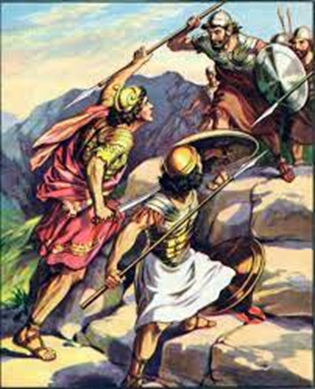
1 Samuel 14:1 – One day Jonathan, son of Saul, said to the young man bearing his armor, “Come, let us cross over to the Philistine outpost on the other side.” But Jonathan did not tell his father.

Meanwhile, Saul was staying under the pomegranate tree in Migron on the outskirts of Gibeah. (Some sources say “in the pomegranate cave.” And the troops who were with him numbered about six hundred men, including Ahijah, who was wearing an ephod. He was the son of Ichabod’s brother Ahitub son of Phinehas, the son of Eli the priest of the LORD in Shiloh. But the troops did not know that Jonathan had left.

Now there were cliffs on both sides of the pass that Jonathan intended to cross to reach the Philistine outpost. One was named Bozez and the other Seneh. One cliff stood to the north toward Michmash, and the other to the south toward Geba. Jonathan said to the young man bearing his armor, “Come, let us cross over to the outpost of these uncircumcised men. Perhaps the LORD will work on our behalf. Nothing can hinder the LORD from saving, whether by many or by few.”

His armor-bearer replied, “Do all that is in your heart. Go ahead; I am with you heart and soul.”

“Very well,” said Jonathan, “we will cross over toward these men and show ourselves to them. If they say, ‘Wait until we come to you,’ then we will stay where we are and not go up to them. But if they say, ‘Come on up,’ then we will go up, because this will be our sign that the LORD has delivered them into our hands.”

So the two of them showed themselves to the outpost of the Philistines, who exclaimed, “Look, the Hebrews are coming out of the holes in which they were hiding!”

So the men of the outpost called out to Jonathan and his armor-bearer, “Come on up, and we will teach you a lesson!”

“Follow me,” Jonathan told his armor-bearer, “for the LORD has delivered them into the hand of Israel.”

And Jonathan climbed up on his hands and feet, with his armor-bearer behind him. And the Philistines fell before Jonathan, and his armor-bearer followed and finished them off. In that first assault, Jonathan and his armor-bearer struck down about twenty men over half an acre of land.

Then terror struck the Philistines in the camp, in the field, and among all the people. Even those in the outposts and raiding parties trembled. Indeed, the earth quaked and panic spread from God.

Now when Saul’s watchmen at Gibeah in Benjamin looked and saw the troops melting away and scattering in every direction, Saul said to the troops who were with him, “Call the roll and see who has left us.”

And when they had called the roll, they saw that Jonathan and his armor-bearer were not there.

Then Saul said to Ahijah, “Bring the ark of God.” (For at that time it was with the Israelites.) While Saul was talking to the priest, the commotion in the Philistine camp continued to increase. So Saul said to the priest, “Withdraw your hand.”

Then Saul and all his troops assembled and marched to the battle, and they found the Philistines in total confusion, with each man wielding the sword against his neighbor. And the Hebrews who had previously gone up into the surrounding camps of the Philistines now went over to the Israelites who were with Saul and Jonathan. When all the Israelites who had been hiding in the hill country of Ephraim heard that the Philistines were fleeing, they also joined Saul and Jonathan in the battle. So the LORD saved Israel that day, and the battle moved on beyond Beth-aven.”

Was Jonathan Saul’s son? The Bible  is a little vague on dates; however, there is a helpful timeline at https://www.bible.ca/archeology/bible-archeology-maps-timeline-chronology-1samuel-16-20-saul-jonathan-david-1019-1012bc.htm. According to this timeline, Saul was born in 1082 and Jonathan was born in 1067 when Saul was 25. By the time of the battles described in 1 Samuel 14, Jonathan might have been at least 20 and would already be a seasoned warrior. The Israelites had been fighting guerilla warfare against the Philistines for many years. While Saul and his men are lodged on the outskirts of Gibeah, Jonathan and his armor bearer take off on a mission of their own. Does Jonathan really believe in God? Certainly, Jonathan’s explanation to his armor – bearer would suggest it. ““Come, let us cross over to the outpost of these uncircumcised men. Perhaps the LORD will work on our behalf. Nothing can hinder the LORD from saving, whether by many or by few.” If Jonathan is a believer, that would help explain one of the reasons that David and he later bond together. Unfortunately, Saul is still depending on other people for faith, and second – hand faith is worthless.

Jonathan and his armor – bearer attack the Philistines, slaughtering twenty men. Then God weighs in, sending an earthquake and creating such panic that the Philistines begin attacking one another! Turncoat Hebrews who have attached themselves to the Philistines suddenly have a change of heart, joining Saul’s forces. Other Israelites who have been hiding in the hills also join Saul’s forces.

APPLICATION: What was the difference between Saul and Jonathan? Saul had the kingship and should have been able to inspire men to join him; however, Saul was sitting with 600 men doing nothing except watching the Philistines when Jonathan and his armor – bearer went out and attacked the Philistines, trusting God to help them. Jonathan had faith and Saul did not.

Saul was settling for being safe and prudent, but when he wanted to hear from God, he had to involve the high priest. Saul was even about to employ the ark as some kind of talisman when the roar of battle from the Philistine camp became deafening. Saul might not have had faith, but he knew a battle when he heard one.

Perhaps today you find yourself caught between Jonathan’s approach and Saul’s. You have prayed and feel that God is calling you to do something wonderful, something so audacious that if God does not help you, you will fail miserably. You can probably identify with Jonathan and his armor – bearer as they climbed up that cliff with those Philistine soldiers waiting to murder them. It’s as if you find yourself scrambling for footing and handholds while you concentrate on the actions you must take as soon as you reach the top of the cliff. One wrong move and you will be annihilated with your work in ruins.

TAKE HEART!!! The same God who empowered Jonathan and his armor – bearer to gain that victory is the very God who is calling you to step out and take risks for Him. Remember Jonathan’s words to his armor – bearer:
Perhaps the LORD will work on our behalf. Nothing can hinder the LORD from saving, whether by many or by few.”

PRAYER: Father God, thank You for loving us and for caring for us. Lord, help all who are reading this devotional to wait on Your guidance but to step out in faith when they feel Your leading. In the mighty and precious Name of King Jesus. Amen.

APRIL 3, 2022 SO YOU WANT TO BE A PROPHET #19 1 SAMUEL 13:16 – 23 HOW DO YOU FIGHT WITHOUT WEAPONS?

April 3, 2022
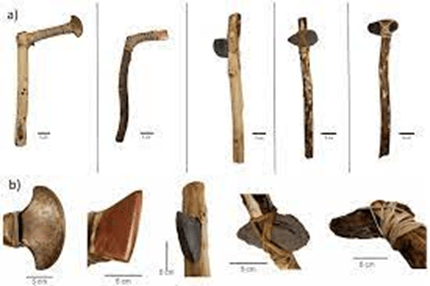
ANCIENT WEAPONS AND HAND TOOLS

1 Samuel 13:16 – 23 “Now Saul and Jonathan his son and the troops with them were staying in Geba of Benjamin, while the Philistines camped at Michmash. And raiders went out of the Philistine camp in three divisions. One headed toward Ophrah in the land of Shual, another toward Beth-horon, and the third down the border road overlooking the Valley of Zeboim facing the wilderness.

And no blacksmith could be found in all the land of Israel, because the Philistines had said, “The Hebrews must not be allowed to make swords or spears.” Instead, all the Israelites would go down to the Philistines to sharpen their plowshares, mattocks, axes, and sickles. The charge was a pim for sharpening a plowshare or mattock, a third of a shekel for sharpening a pitchfork or an ax, and a third of a shekel for repointing an oxgoad. So on the day of battle not a sword or spear could be found in the hands of the troops with Saul and Jonathan; only Saul and his son Jonathan had weapons. And a garrison of the Philistines had gone out to the pass at Michmash.”

Plowshares, mattocks, axes, oxgoads, pitchforks, and sickles – these were the only weapons the Israelites had to fight the Philistines. WHY? The Israelites had forsaken the One True Living God, and in turn, He had also forsaken them. By this point, the Philistines shouldn’t even have existed; the Israelites should have wiped them out. Instead, the Philistines had so much control over the Israelites that they were making sure the Israelites wouldn’t be able to arm themselves. Why were there no blacksmiths in Israel? Couldn’t some Israelite have sneaked off to learn? Evidently, the Philistines had infiltrated Israelite society so thoroughly that they would know if a blacksmith appeared. This fact suggests that there might have been Israelites who were secretly cooperating with the Philistines and reporting on their own people.

Now three separate Philistine raiding parties had left the camp. The day of battle had arrived, but only Saul and Jonathan had actual weapons; on the other hand, the Israelites had mattocks, axes, oxgoads, pitchforks, and sickles. Wielded effectively, these hand tools could be deadly, although there were no long – range weapons such as spears or bows and arrows.

APPLICATION: Sometimes we come up to situations for which we feel totally unprepared! We look at our resources and despair, feeling that all our efforts are doomed to failure. But the question that God posed to Moses at the burning bush interview is still valid: What is that in your hand?

True, Saul’s men lacked traditional weapons; yet, those hand tools, if sharpened and used intelligently, could do a great deal of damage. The challenge for Saul was going to be that of strategy. Saul and his men would need to take the Philistines by surprise in a situation in which long range weapons and chariots would be ineffective. And the biggest question of all was this: would God help the Israelites?

Over – reliance on technology is a bad mistake. It is better to have simple tools that work than to have something sophisticated that breaks down and requires expensive parts to repair. At the moment, we have a digital refrigerator that is nothing more than a giant doorstop. A power surge hit one day, frying the mother board. Until now, we have been unable to find anyone who can work on the refrigerator.

Sitting in that camp and looking at fighting men armed only with farm tools, Saul might have been tempted to despair. But God had anointed Saul as king and even if Saul had failed in the matter of the sacrifices, God was still honoring that anointing. The saddest part of the whole story was that Saul never really turned to the Lord himself, preferring to rely on Samuel to do all the believing for him.

Faith does not grow when we have everything we need. Faith grows when we are forced to depend on God. When we returned to our village during the Northern Ethnic Conflict of 1994, I had very few surgical instruments with which to operate. One day a woman came with vaginal bleeding; she had lost a pregnancy but retained part of the placenta. With no uterine curettes available, my husband bent a chromed bicycle spoke into the shape of a curette and then attached the large brass valve stem for a big lorry tire as a handle. I used that curette for a long time until I was able to get better instruments. With no electricity, we needed light to do deliveries and start IV’s. My husband rigged up a car battery to a 12-volt light, placing the battery in the lower part of a small bedside stand and then rigging a support for the light so that we had a portable light source that could be wheeled wherever we needed it. Until then, we had been relying on flickering kerosene lamps.

Perhaps today you feel stranded. The place where you worked has folded and you are struggling to pay bills. Why not ask God to show you what He has already built into your situation? What talents or interests do you have? Do you belong to any hobby groups? Don’t overlook anything; you never know what God may use to save you.

PRAYER: Father God, thank You for loving us and for caring for us. Lord, there are many who are reading these words and who wonder if there is anything good or redeemable in their lives. Please open the eyes of these people to see the provision you have already built into their situations. Help Your children to move forward. In the mighty and precious Name of King Jesus. Amen.

APRIL 2, 2022 SO YOU WANT TO BE A PROPHET #18 1 SAMUEL 13:1 – 15 SAUL BLOWS IT BIG TIME!

April 2, 2022

1 Samuel 13:1 – 15 “Saul was thirty years old when he became king, and he reigned over Israel forty-two years. He chose for himself three thousand men of Israel: Two thousand were with Saul at Michmash and in the hill country of Bethel, and a thousand were with Jonathan in Gibeah of Benjamin. And the rest of the troops he sent away, each to his own home.

Then Jonathan attacked the Philistine outpost at Geba, and the Philistines heard about it. So Saul blew the ram’s horn throughout the land, saying, “Let the Hebrews hear!”

And all Israel heard the news: “Saul has attacked an outpost of the Philistines, and now Israel has become a stench to the Philistines!” Then the people were summoned to join Saul at Gilgal.

Now the Philistines assembled to fight against Israel with three thousand chariots, six thousand horsemen, and troops as numerous as the sand on the seashore. They went up and camped at Michmash, east of Beth-aven.

Seeing that they were in danger because their troops were hard-pressed, the men of Israel hid in caves and thickets, among the rocks, and in cellars and cisterns. Some Hebrews even crossed the Jordan into the land of Gad and Gilead. Saul, however, remained at Gilgal, and all his troops were quaking in fear.

And Saul waited seven days for the time appointed by Samuel, but Samuel did not come to Gilgal, and the troops began to desert Saul. So he said, “Bring me the burnt offering and the peace offerings.” And he offered up the burnt offering.

Just as he finished offering the burnt offering, Samuel arrived, and Saul went out to greet him.

“What have you done?” Samuel asked.

And Saul replied, “When I saw that the troops were deserting me, and that you did not come at the appointed time and the Philistines were gathering at Michmash, I thought, ‘Now the Philistines will descend upon me at Gilgal, and I have not sought the favor of the LORD.’ So I felt compelled to offer the burnt offering.”

“You have acted foolishly,” Samuel declared. “You have not kept the command the LORD your God gave you; if you had, the LORD would have established your kingdom over Israel for all time. But now your kingdom will not endure; the LORD has sought a man after His own heart and appointed him ruler over His people, because you have not kept the command of the LORD.”

Then Samuel set out from Gilgal and went up to Gibeah in Benjamin. And Saul numbered the troops who were with him, about six hundred men.”

Saul won a single victory over the Ammonites because of the Lord. But the Ammonites came from the east while the Philistines were right there in Canaan. The Philistines were one of the groups that the Israelites failed to conquer, and now the Israelites were paying for it. How old was Saul at the time of these events? Saul was 30 years old when he became king and reigned until he was 72. Even if Saul was a father as a teenager, his biological son would scarcely be old enough to fight. But what if Jonathan was not Saul’s son, but a nephew? If Saul were a 30 year – old Ghanaian, he could easily refer to a nephew as his son, even if the nephew was nearly as old as he was. The nephew would refer to Saul as his “junior father” and would give him the same respect as a father. If such a relationship prevailed in Israel, it could explain the age question and it could also explain the fact that Samuel was still alive to offer sacrifices.

Saul was NOT a believer and did not know the Lord. Had Saul known the Lord, Saul would have realized that he could pray without offering animal sacrifices; however, Saul’s view of the Lord was very similar to that of the Philistines for their god Dagon. Saul obviously thought there was something magic about sacrifices. When Saul saw his men beginning to desert, he panicked and made the sacrifices himself, even though he was not qualified to do so. Saul made yet another mistake; he failed to give Samuel the full seven days Samuel had advised him to wait. That failure to wait cost Saul and his descendants a kingdom.

What was wrong with what Saul did besides the obvious fact that he failed to wait for Samuel? Nobody was teaching anybody the Law of Moses! In Deuteronomy 17 God described the manner in which kings were to conduct themselves. God ordered that any kings of Israel would personally copy the law for themselves and continue to study that law for their entire reign so that they would fulfill God’s will for their kingship. But the priests were not faithful in their role as teachers, and Saul was a Scriptural illiterate. Without any teaching, it is little wonder that Saul also did not know God’s commands for going to war.

Deuteronomy 20:1 – 8 says, When you go out to war against your enemies and see horses, chariots, and an army larger than yours, do not be afraid of them; for the LORD your God, who brought you out of the land of Egypt, is with you. When you are about to go into battle, the priest is to come forward and address the army, saying to them, “Hear, O Israel, today you are going into battle with your enemies. Do not be fainthearted or afraid; do not be alarmed or terrified because of them. For the LORD your God is He who goes with you to fight for you against your enemies, to give you the victory.”

Furthermore, the officers are to address the army, saying, “Has any man built a new house and not dedicated it? Let him return home, or he may die in battle and another man dedicate it. Has any man planted a vineyard and not begun to enjoy its fruit? Let him return home, or he may die in battle and another man enjoy its fruit. Has any man become pledged to a woman and not married her? Let him return home, or he may die in battle and another man marry her.” Then the officers shall speak further to the army, saying, “Is any man afraid or fainthearted? Let him return home, so that the hearts of his brothers will not melt like his own.”

Samuel failed to remember that God used Gideon and 300 men to deliver Israel. Gideon began with 32,000 men and when he offered anyone who was fearful the chance to go home, 22,000 of them took off in a cloud of dust. Then God pared that number of 10,000 down to 300 men who were actually prepared to fight. (See Judges 8 for Gideon’s story.) Instead of panicking, Saul should have been happy to see the deserters leave before they could dishearten anyone else, and he should even have asked if there was anybody else who needed to leave.

APPLICATION: “Di aboterE!” (Twi) “Gii sula!” (Likpakpaln) “Exercise patience!” When you work in a country where transportation can be a challenge and events take place whenever people arrive, you must learn to be patient. Saul lost a kingdom because he paid no attention to God’s Word and failed to exercise patience. Notice the phrase “I felt compelled.” So many times, we may feel COMPELLED to do something. Our thinking may be very similar to Saul’s: “If I don’t do it now, EVERYTHING is going to go wrong!” We “awfulize” rather than stepping back and praying to see what God wants us to do. Had Saul given Samuel until sundown on the day Samuel had designated, Samuel would have arrived and would have made the sacrifice properly. Saul’s kingdom would have been secure.

Saul really had two problems; he didn’t know the Law of Moses and he was swayed by popular opinion. Undoubtedly, there were lots of men urging Saul to go ahead and make that sacrifice. Even if there were men quietly advising Saul to wait, their voices were drowned out by the noise of the crowd. The problem with crowds is that they are fickle; they will scream advice until that advice proves disastrous, and then they will suddenly disappear, distancing themselves from the leader whom they have pushed into making a bad decision. They may even criticize that leader. “I KNEW he shouldn’t have done that!”

There is a saying in leadership circles, “If you want to make everyone happy, don’t be a leader – sell ice cream!” Shakespeare told us, “Uneasy lies the head that wears a crown.” Saul was used to adulation for his appearance and for his victory over the Ammonites. When the crowd turned ugly, Saul had no spiritual root to keep him in an upright position. The very same thing can happen to any one of us. Will we listen to God and to His Word, or will we listen to the crowds? Listen to God and gain a kingdom. Listen to the crowd and lose a kingdom. The choice is ours.

PRAYER: Father God, thank You for loving us and for caring for us. Lord, help us to whole – heartedly study Your Word so that we will not sin against You. In the mighty and precious Name of King Jesus. Amen.

APRIL 1, 2022 SO YOU WANT TO BE A PROPHET #17 1 SAMUEL 12:1-25 THE PROPHET SAMUEL COULD ACCOUNT FOR HIS CAREER – CAN WE DO THE SAME?

April 1, 2022

1 Samuel 12:1 – 25 “Then Samuel said to all Israel, “I have listened to your voice in all that you have said to me, and I have set over you a king. Now here is the king walking before you, and I am old and gray, and my sons are here with you. I have walked before you from my youth until this day. Here I am. Bear witness against me before the LORD and before His anointed: Whose ox or donkey have I taken? Whom have I cheated or oppressed? From whose hand have I accepted a bribe and closed my eyes? Tell me, and I will restore it to you.”

“You have not wronged us or oppressed us,” they replied, “nor have you taken anything from the hand of man.”

Samuel said to them, “The LORD is a witness against you, and His anointed is a witness today, that you have not found anything in my hand.”

“He is a witness,” they replied.

Then Samuel said to the people, “The LORD is the One who appointed Moses and Aaron, and who brought your fathers up out of the land of Egypt. Now present yourselves, so that I may confront you before the LORD with all the righteous acts He has done for you and your fathers.

When Jacob went to Egypt, your fathers cried out to the LORD, and He sent them Moses and Aaron, who brought your fathers out of Egypt and settled them in this place. But they forgot the LORD their God, and He sold them into the hand of Sisera, the commander of the army of Hazor, and into the hands of the Philistines and the king of Moab, who fought against them.

Then they cried out to the LORD and said, ‘We have sinned, for we have forsaken the LORD and served the Baals and Ashtoreths. Now deliver us from the hands of our enemies, that we may serve You.’ So the LORD sent Jerubbaal, Barak, Jephthah, and Samuel, and He delivered you from the hands of your enemies on every side, and you lived securely. But when you saw that Nahash king of the Ammonites was moving against you, you said to me, ‘No, we must have a king to rule over us’—even though the LORD your God was your king.

Now here is the king you have chosen, the one you requested. Behold, the LORD has placed a king over you. If you fear the LORD and serve Him and obey His voice, and if you do not rebel against the command of the LORD, and if both you and the king who reigns over you follow the LORD your God, then all will be well. But if you disobey the LORD and rebel against His command, then the hand of the LORD will be against you as it was against your fathers.

Now, therefore, stand and see this great thing that the LORD will do before your eyes. Is it not the wheat harvest today? I will call on the LORD to send thunder and rain, so that you will know and see what a great evil you have committed in the sight of the LORD by asking for a king.”

So Samuel called to the LORD, and on that day the LORD sent thunder and rain.

As a result, all the people greatly feared the LORD and Samuel. They pleaded with Samuel, “Pray to the LORD your God for your servants so that we will not die! For we have added to all our sins the evil of asking for a king.”

“Do not be afraid,” Samuel replied. “Even though you have committed all this evil, do not turn aside from following the LORD, but serve the LORD with all your heart. Do not turn aside after worthless things that cannot profit you or deliver you, for they are empty. Indeed, for the sake of His great name the LORD will not abandon His people, because He was pleased to make you His own.

As for me, far be it from me that I should sin against the LORD by ceasing to pray for you. And I will continue to teach you the good and right way. Above all, fear the LORD and serve Him faithfully with all your heart; consider what great things He has done for you. But if you persist in doing evil, both you and your king will be swept away.”  

Samuel is close to the end of his ministry. Now Samuel is giving a final accounting of his ministry and calling the Israelites as witnesses. First, Samuel demands that the Israelites acknowledge that he has never benefited materially from his ministry among them. Next, Samuel reminds the Israelites of all the wonders God has done for them and the many ways God has delivered them throughout the years ever since they first left Egypt.

After doing everything possible to convince the Israelites not to demand a king, Samuel has anointed Saul upon God’s command, and Saul has won a major victory over the Ammonites. Samuel makes it clear that the demands for a king were rooted in fear of attack by the Ammonites, even though God defeated a much larger and more sophisticated army when He wiped out the Egyptians. Those demands have demonstrated a lack of faith in God for which the Israelites must repent. Sadly, the Israelites refuse to repent until Samuel calls on God to send a thunderstorm even though it’s not the season for rain. Only when the thunder and lightning begin and the rain starts beating the Israelites do they beg for Samuel to intercede with God for them.  

APPLICATION: From childhood until old age, Samuel has always done God’s will and has tried to minister as carefully as possible. Despite having an obvious gift of prophecy, Samuel has never stooped to prophesying for profit. While the Israelites are more than willing to agree that Samuel has ministered honestly, nobody seems to realize that it’s now their turn. Samuel has done what God has called him to do; however, once Samuel is gone, who among the Israelites will stand for righteousness?

The Israelites have little or no faith themselves; instead, they are depending on a second – hand faith, faith by proxy. Samuel has been their main man as far as faith goes, but nobody wants to take his place. After all, what benefits has Samuel derived from being God’s prophet? Tragically, the Israelites fail to understand that faith is an individual matter and that each of them must decide whether or not to follow the Lord.

During Samuel’s lifetime, he has actually served as both prophet and priest, even though he was not originally from the tribe of Levi. But Samuel has been faithful and God has honored that faith. Now Samuel’s priesthood is nearly at an end, and he realizes what is likely to happen once he dies.

While the priests may not have studied the Law of Moses thoroughly, Samuel is well – versed in the Scriptures and he remembers the Song of Moses. If the Israelites prove faithless, the oppression they suffered under the Ammonites is only a small taste of future agonies.

Samuel has done everything he can, and now his remaining time on earth will be spent in intercessory prayer for Israel. Who knows how many tragedies have been averted because of Samuel’s prayers?

Sometimes we wonder if our prayers have any effect. Take heart! If Samuel, who was a godly a man as anyone whoever lived continued to pray, then we too should keep praying. You can designate times or locations to trigger certain prayers, but the most important thing is to follow Samuel’s example. Keep praying! Only in eternity will you learn how much your prayers have accomplished! May God help each of us so that at the end of our lives, our testimony will match Samuel’s!

PRAYER: Father God, thank You for loving us and for caring for us. Lord, help us to follow Samuel’s example. Help us to always pray and to never give up! In the mighty and precious Name of King Jesus. Amen.