Archive for November, 2022

NOVEMBER 30, 2022 MIRACLE IN JERUSALEM #9 EZRA 9:1 – 15 WHEN LEADERS FAIL, IT’S TIME TO PRAY EARNESTLY!

November 30, 2022

Intermarriage with Neighboring Peoples (Nehemiah 13:23-31)

“After these things had been accomplished, the leaders approached me and said, “The people of Israel, including the priests and Levites, have not kept themselves separate from the surrounding peoples whose abominations are like those of the Canaanites, Hittites, Perizzites, Jebusites, Ammonites, Moabites, Egyptians, and Amorites. Indeed, the Israelites have taken some of their daughters as wives for themselves and their sons, so that the holy seed has been mixed with the people of the land. And the leaders and officials have taken the lead in this unfaithfulness!”

When I heard this report, I tore my tunic and cloak, pulled out some hair from my head and beard, and sat down in horror.

Then everyone who trembled at the words of the God of Israel gathered around me because of the unfaithfulness of the exiles, while I sat there in horror until the evening offering.

Ezra’s Prayer of Confession

At the evening offering, I got up from my humiliation with my tunic and cloak torn, and I fell on my knees, spread out my hands to the LORD my God, and said:

“O my God, I am ashamed and embarrassed to lift up my face to You, my God, because our iniquities are higher than our heads, and our guilt has reached the heavens. From the days of our fathers to this day, our guilt has been great. Because of our iniquities, we and our kings and our priests have been delivered into the hands of the kings of the earth and put to the sword and captivity, to pillage and humiliation, as we are this day.

But now, for a brief moment, grace has come from the LORD our God to preserve for us a remnant and to give us a stake in His holy place. Even in our bondage, our God has given us new life and light to our eyes. Though we are slaves, our God has not forsaken us in our bondage, but He has extended to us grace in the sight of the kings of Persia, giving us new life to rebuild the house of our God and repair its ruins, and giving us a wall of protection in Judah and Jerusalem.

And now, our God, what can we say after this? For we have forsaken the commandments that You gave through Your servants the prophets, saying: ‘The land you are entering to possess is a land polluted by the impurity of its peoples and the abominations with which they have filled it from end to end. Now, therefore, do not give your daughters in marriage to their sons or take their daughters for your sons. Never seek their peace or prosperity, so that you may be strong and may eat the good things of the land, leaving it as an inheritance to your sons forever.’

After all that has come upon us because of our evil deeds and our great guilt (though You, our God, have punished us less than our iniquities deserve and have given us such a remnant as this), shall we again break Your commandments and intermarry with the peoples who commit these abominations? Would You not become so angry with us as to wipe us out, leaving no remnant or survivor?

O LORD, God of Israel, You are righteous! For we remain this day as a remnant. Here we are before You in our guilt, though because of it no one can stand before You.”

Just when Ezra was happy about returning to Jerusalem safely with the enormous treasure granted by King Artaxerxes, he learned something terrible had happened. The exiles who had already returned from Babylon had wasted no time in intermarrying with those people whom the Babylonians had brought in from other places, in spite of God’s commands against such practices. Worse still, the priests and Levites, leaders and officials had taken the lead, marrying local women and contracting marriages for their sons with the local people.   

These local people were idolaters who had been plucked out of their own countries to resettle Israel and Judah when those people went into exile. These people learned to worship the God of Israel, but only added Him to the pantheon of gods whom they were already serving. The Mosaic Law forbade Israelites from marrying outside the faith because such marriages would lead to apostasy. What could Ezra possibly do?

“When I heard this report, I tore my tunic and cloak, pulled out some hair from my head and beard, and sat down in horror. Then everyone who trembled at the words of the God of Israel gathered around me because of the unfaithfulness of the exiles, while I sat there in horror until the evening offering.” Ezra’s first act was one of profound grief, followed by a time of silent reflection. Then at the time of the evening offering, Ezra knelt and prayed on behalf of his people.

Note the points of Ezra’s prayer:

  1. Ezra acknowledged that his people had sinned greatly, causing God to send them into exile in the first place.
  2. God had extended grace to the Jews, allowing them to return to rebuild Judah and Jerusalem, despite their previous sins.
  3. Ezra lamented the fact that the Jews had forsaken God’s commandments, even after seeing the results of having done so.
  4. Ezra recognized that God might become so angry at the Jews having intermarried with the local people that this time He might wipe them off the face of the earth completely.
  5. Finally, Ezra honored the righteousness of God and the guilt of the Jews.

APPLICATION: When leaders fail, what can the people under them do? Throughout the world, current leaders are failing their people. Corruption, human rights abuses, mishandling of state monies – when leaders become wicked, those under them may readily follow their example.

God had warned the Jews not to intermarry with non – Jews, and priests and Levites were to follow even more stringent rules when considering potential spouses. Leviticus 21:13 – 15 says this about priests marrying: “‘The woman he marries must be a virgin. He must not marry a widow, a divorced woman, or a woman defiled by prostitution, but only a virgin from his own people, so that he will not defile his offspring among his people. I am the Lord, who makes him holy.’” But the priests and Levites who had returned from Babylon totally ignored God’s commands, setting themselves up for spiritual disaster. It is mothers, not fathers, who teach children much of their religion.

Although much has been said and written about Daniel’s prayers of intercession for his people, Ezra’s prayer might serve as a model for many of us.

PRAYER: “Oh, Lord, God of heaven and earth. We come before you as citizens of __________ country. We confess that our leaders and our people have sinned by _____________. Because of these sins, our country is facing the following problems: _________________. You have been gracious to us and patient with us; meanwhile, we have turned our backs on You and have refused to follow Your commandments. Lord, we have no excuses. Our national sins are so atrocious that You would be fully justified in wiping us off the face of the earth. Lord, You alone are righteous. You alone are just. You alone are the Holy One. We have nothing we can say in our defense; all we can do is to confess our national sins and beg for Your mercy, Your grace, and Your forgiveness. In the mighty and precious Name of King Jesus. Amen.

NOVEMBER 29, 2022 MIRALE IN JERUSALEM #8 EZRA 8:1 – 36 WHEN TRAVELING WITH A TREASURE, FASTING MAY BE  YOUR BEST PROTECTION

November 29, 2022

Ezra 8:1 – The Exiles Who Returned with Ezra “These are the family heads and genealogical records of those who returned with me from Babylon during the reign of King Artaxerxes:

from the descendants of Phinehas, Gershom; from the descendants of Ithamar, Daniel; from the descendants of David, Hattush of the descendants of Shecaniah; from the descendants of Parosh, Zechariah, and with him were registered 150 men; from the descendants of Pahath-Moab, Eliehoenai son of Zerahiah, and with him 200 men;

from the descendants of Zattu, Shecaniah son of Jahaziel, and with him 300 men; from the descendants of Adin, Ebed son of Jonathan, and with him 50 men; from the descendants of Elam, Jeshaiah son of Athaliah, and with him 70 men; from the descendants of Shephatiah, Zebadiah son of Michael, and with him 80 men; from the descendants of Joab, Obadiah son of Jehiel, and with him 218 men; from the descendants of Bani, Shelomith son of Josiphiah, and with him 160 men; from the descendants of Bebai, Zechariah son of Bebai, and with him 28 men;

from the descendants of Azgad, Johanan son of Hakkatan, and with him 110 men; from the later descendants of Adonikam, these were their names: Eliphelet, Jeiel, and Shemaiah, and with them 60 men; and from the descendants of Bigvai, both Uthai and Zaccur, and with them 70 men.

Ezra Sends for the Levites Now I assembled these exiles at the canal that flows to Ahava, and we camped there three days. And when I searched among the people and priests, I found no Levites there. Then I summoned the leaders: Eliezer, Ariel, Shemaiah, Elnathan, Jarib, Elnathan, Nathan, Zechariah, and Meshullam, as well as the teachers Joiarib and Elnathan. And I sent them to Iddo, the leader at Casiphia, with a message for him and his kinsmen, the temple servants at Casiphia, that they should bring to us ministers for the house of our God.

And since the gracious hand of our God was upon us, they brought us Sherebiah—a man of insight from the descendants of Mahli son of Levi, the son of Israel—along with his sons and brothers, 18 men; also Hashabiah, together with Jeshaiah, from the descendants of Merari, and his brothers and their sons, 20 men. They also brought 220 of the temple servants, all designated by name. David and the officials had appointed them to assist the Levites.

Fasting for Protection And there by the Ahava Canal, I proclaimed a fast, so that we might humble ourselves before our God and ask Him for a safe journey for us and our children, with all our possessions. For I was ashamed to ask the king for an escort of soldiers and horsemen to protect us from our enemies on the road, since we had told him, “The hand of our God is gracious to all who seek Him, but His great anger is against all who forsake Him.” So we fasted and petitioned our God about this, and He granted our request.

Priests to Guard the Offerings

Then I set apart twelve of the leading priests, together with Sherebiah, Hashabiah, and ten of their brothers, and I weighed out to them the contribution of silver and gold and the articles that the king, his counselors, his leaders, and all the Israelites there had offered for the house of our God. I weighed out into their hands 650 talents of silver, silver articles weighing 100 talents, 100 talents of gold, 20 gold bowls valued at 1,000 darics, and two articles of fine polished bronze, as precious as gold. (650 talents is approximately 24.5 tons or 22.2 metric tons of silver. 100 talents is approximately 3.77 tons or 3.42 metric tons of silver articles. 100 talents is approximately 3.77 tons or 3.42 metric tons of gold. Or worth 1,000 drachmas; that is, approximately 18.5 pounds or 8.4 kilograms of gold)

Then I told them, “You are holy to the LORD, and these articles are holy. The silver and gold are a freewill offering to the LORD, the God of your fathers. Guard them carefully until you weigh them out in the chambers of the house of the LORD in Jerusalem before the leading priests, Levites, and heads of the Israelite families.” So the priests and Levites took charge of the silver and gold and sacred articles that had been weighed out to be taken to the house of our God in Jerusalem.

On the twelfth day of the first month, we set out from the Ahava Canal to go to Jerusalem, and the hand of our God was upon us to protect us from the hands of the enemies and bandits along the way.

Arrival in Jerusalem So we arrived at Jerusalem and rested there for three days. On the fourth day, in the house of our God, we weighed out the silver and gold and sacred articles into the hand of Meremoth son of Uriah, the priest. Eleazar son of Phinehas was with him, along with the Levites Jozabad son of Jeshua and Noadiah son of Binnui. Everything was verified by number and weight, and the total weight was recorded at that time.

Then the exiles who had returned from captivity sacrificed burnt offerings to the God of Israel: 12 bulls for all Israel, 96 rams, 77 lambs, and a sin offering of 12 male goats. All this was a burnt offering to the LORD.

They also delivered the king’s edicts to the royal satraps and governors of the region west of the Euphrates, who proceeded to assist the people and the house of God.”

Poor Ezra! Just imagine this enormous cavalcade he had to organize and the immense wealth it was carrying. Undoubtedly, there were those who watched closely as the group was organizing and heading out, just waiting for their opportunity to attack. Surely in the hundreds of miles between Babylon and Jerusalem there would be ample opportunities for ambush, murder, and thievery. Just to complicate things further, Ezra had made brave testimonies of faith to King Artaxerxes, asserting that God would protect his group as they traveled. No wonder that Ezra called for fasting and prayer; at this point, that was all he could do.

What did the would – be robbers see as they viewed the caravan? Perhaps they saw glistening angels. Perhaps God hid the caravan from their eyes completely. Perhaps the fear of the Lord fell upon everyone who was plotting attack; we can’t know. All we know is that the caravan moved without a military escort and yet reached Jerusalem safely.  

Once more, Ezra the Scribe exerted his calling to record all those who freely volunteered to return to an uncertain future in Jerusalem. Sadly, none of the Levites or descendants of temple servants offered in the beginning. Even though those men should have been the first to offer, it took a special delegation of the elders to encourage them to come. It was those who were not professional religious workers who first risked their lives.

APPLICATION: These days, prayer and fasting has gone out of popularity, unless you mention intermittent fasting for weight control. But for Ezra and those with him, these practices were part of their routine worship. Ezra had already gone out on a limb by asserting to King Artaxerxes that God would protect the caravan; now Ezra had to live up to that brave statement. Little wonder if Ezra was having sleepless nights and praying even more than he usually did!

There is nothing easy or simple about the walk of faith! In Ezra’s case, he was jeopardizing the lives of more than 1,000 people traveling with him when he refused to request an armed guard with mounted soldiers. There is no doubt that King Artaxerxes would have readily granted such a request. The potential for disaster was enormous.

In the movie “Indiana Jones and the Search for the Holy Grail,” at one point, the hero finds himself at the brink of a seemingly bottomless chasm. At first, there appears to be no way across, until the hero collects a handful of sand and throws it out across the chasm, outlining a narrow bridge across it. As the hero steps out, he must trust that the bridge really exists and that it will bear his weight. Even then, the hero must keep his eyes on the bridge and its junction with the cliffs at the other side. One look down will spell disaster.

Many times, those of us walking by faith share the trepidations of Indiana Jones as he tries to find that narrow path and then follow it. My husband and I work with two different mission groups, both of which are “faith missions.” That designation indicates that we receive only the donations that people make in a given month without a guaranteed salary. We support a number of students in school as well as assisting the mission hospital where we work and sometimes helping individual patients. This last week we sent one young lady for complicated orthopedic surgery and had to repair the hospital van we used to transport her. Only last night, I learned of yet another female nursing student from a poor family who will be forced to drop out of school for lack of funds. Now I am begging God to cover this student’s expenses.

What gives us hope in these situations is that the God of Ezra has not changed. The same God who moved King Cyrus to issue his edict, the same God who moved King Artaxerxes to donate generously, the same God who protected Ezra and more than 1,000 people and a rich treasure for several hundred miles – that is the same God whom we serve. We are trusting that God will support us in the future as He has in the past. We are also trusting that Eloheinu Melekh Ha’olam, the Lord God of the Universe, has all the resources necessary to help those in need whom he brings to us.

PRAYER: Blessed are You, oh Lord of the Universe! You are our Father, our Provider, our Helper, our Keeper! You are the One who preserved Ezra and all of his troop and You are the One who will strengthen us and help us as well. WE pray in the mighty and precious Name of Yeshua Hamashiach, Jesus, the Messiah. Amen.

NOVEMBER 28, 2022 MIRACLE IN JERUSALEM #7 EZRA 7:1 – 28 WHEN YOU HONOR GOD, HE HONORS YOU

November 28, 2022

Ezra 7:1 – 28 Ezra Arrives in Jerusalem

Many years later, during the reign of Artaxerxes king of Persia, Ezra son of Seraiah, the son of Azariah, the son of Hilkiah, the son of Shallum, the son of Zadok, the son of Ahitub, the son of Amariah, the son of Azariah, the son of Meraioth, the son of Zerahiah, the son of Uzzi, the son of Bukki, the son of Abishua, the son of Phinehas, the son of Eleazar, the son of Aaron the chief priest— this Ezra came up from Babylon. He was a scribe skilled in the Law of Moses, which the LORD, the God of Israel, had given.

The king had granted Ezra all his requests, for the hand of the LORD his God was upon him. So in the seventh year of King Artaxerxes, he went up to Jerusalem with some of the Israelites, including priests, Levites, singers, gatekeepers, and temple servants. Ezra arrived in Jerusalem in the fifth month of the seventh year of the king. He had begun the journey from Babylon on the first day of the first month, and he arrived in Jerusalem on the first day of the fifth month, for the gracious hand of his God was on him. (Four months) For Ezra had set his heart to study the Law of the LORD, to practice it, and to teach its statutes and ordinances in Israel.

Artaxerxes’ Letter for Ezra

This is the text of the letter King Artaxerxes had given to Ezra the priest and scribe, a man learned in the commandments and statutes of the LORD to Israel:

Artaxerxes, king of kings.

To Ezra the priest, the scribe of the Law of the God of heaven:

Greetings.

I hereby decree that any volunteers among the Israelites in my kingdom, including the priests and Levites, may go up with you to Jerusalem. You are sent by the king and his seven counselors to evaluate Judah and Jerusalem according to the Law of your God, which is in your hand.

Moreover, you are to take with you the silver and gold that the king and his counselors have freely offered to the God of Israel, whose dwelling is in Jerusalem, together with all the silver and gold you may find in all the province of Babylon, as well as the freewill offerings of the people and priests to the house of their God in Jerusalem. With this money, therefore, you are to buy as many bulls, rams, and lambs as needed, together with their grain offerings and drink offerings, and offer them on the altar at the house of your God in Jerusalem. You and your brothers may do whatever seems best with the rest of the silver and gold, according to the will of your God.

You must deliver to the God of Jerusalem all the articles given to you for the service of the house of your God. And if anything else is needed for the house of your God that you may have occasion to supply, you may pay for it from the royal treasury.

I, King Artaxerxes, decree to all the treasurers west of the Euphrates: Whatever Ezra the priest, the scribe of the Law of the God of heaven, may require of you, it must be provided promptly, up to a hundred talents of silver, a hundred cors of wheat, a hundred baths of wine, a hundred baths of olive oil, and salt without limit. (100 talents is approximately 3.77 tons or 3.42 metric tons of silver. 100 cors is approximately 624 bushels or 22,000 liters (probably about 19.2 tons or 17.4 metric tons of wheat). 100 baths is approximately 580 gallons or 2,200 liters of wine. Or 100 baths of oil; that is, is approximately 580 gallons or 2,200 liters) Whatever is commanded by the God of heaven must be done diligently for His house. For why should wrath fall on the realm of the king and his sons? And be advised that you have no authority to impose tribute, duty, or toll on any of the priests, Levites, singers, doorkeepers, temple servants, or other servants of this house of God.

And you, Ezra, according to the wisdom of your God which you possess, are to appoint magistrates and judges to judge all the people west of the Euphrates—all who know the laws of your God. And you are to teach these laws to anyone who does not know them. If anyone does not keep the law of your God and the law of the king, let a strict judgment be executed against him, whether death, banishment, confiscation of property, or imprisonment.

Ezra Blesses God

Blessed be the LORD, the God of our fathers, who has put into the heart of the king to so honor the house of the LORD in Jerusalem, and who has shown me favor before the king, his counselors, and all his powerful officials.

And because the hand of the LORD my God was upon me, I took courage and gathered the leaders of Israel to return with me.”

When God chooses to favor one of His children who is obedient, He does so without limits. First, notice that Ezra takes the time to establish his credentials as a direct descendant of Aaron, albeit sixteen generations away. Ezra doesn’t want anybody to reject his message on the grounds that he is poorly qualified. Ezra has not come by himself, but he has also brought priests, Levites, singers, gatekeepers, and temple servants.

Ezra has worked hard to prepare himself for his calling, and King Artaxerxes has obviously been very impressed by Ezra and by the Law that Ezra teaches. “For Ezra had set his heart to study the Law of the LORD, to practice it, and to teach its statutes and ordinances in Israel.” Artaxerxes addresses Ezra as “the scribe of the Law of the God of heaven,” and charges that Ezra has been “sent by the king and his seven counselors to evaluate Judah and Jerusalem according to the Law of your God, which is in your hand.”

Artaxerxes pledges freewill offerings from the royal treasury “to the God of Israel whose dwelling is in Jerusalem,” as well as giving Ezra carte blanche for anything else Ezra feels necessary. The King not only pledges incredible wealth to speed the delegation on its way but also authorizes Ezra to “appoint magistrates and judges to judge all the people west of the Euphrates—all who know the laws of your God. And you are to teach these laws to anyone who does not know them. If anyone does not keep the law of your God and the law of the king, let a strict judgment be executed against him, whether death, banishment, confiscation of property, or imprisonment.”

Once more, a pagan king demonstrates far more respect and awe for the God of Israel than most of the Israelites have done for centuries. Ezra fully realizes that all these wonderful blessings are coming because the hand of the Lord is on him.

Part of the wealth that Ezra brings with him comes from the Jews in Babylon. Jeremiah encouraged the Jews who were in exile to establish themselves in Babylon. Build houses and dwell in them; plant gardens and eat their fruit. Take wives and beget sons and daughters; and take wives for your sons and give your daughters to husbands, so that they may bear sons and daughters—that you may be increased there, and not diminished. And seek the peace of the city where I have caused you to be carried away captive, and pray to the Lord for it; for in its peace you will have peace.” (Jeremiah 29:5 – 7)

Little did those Jews realize that they were gathering wealth so that later generations could return to Jerusalem and rebuild the temple. While the Jews were lamenting their losses, God was already preparing for their eventual return to Jerusalem. The Jews might have given up on Jerusalem, but God had not.

APPLICATION: Many sermons have been preached on divine favor and how we can qualify for it. Sometimes we are left with the impression that we must manipulate God by using certain prayer formulas; however, such an idea is ridiculous. God knows our hearts and God knows if we are truly honoring Him. Those around us can also tell if our worship is real or fake. Although Ezra has come from a long line of priests, it is Ezra’s teaching of the Law that has impressed King Artaxerxes so much. Ezra is the real deal, and the king knows it.

How can we assure that the favor of God will operate in our lives? David Yonggi Cho, the famous Korean pastor whose congregation grew to more than 200,000 members was fond of saying, “I pray, and I obey.” Cho very simply sought God’s will and then did it without questioning or complaining. Millenia earlier, Ezra prayed and obeyed, and God honored him. Ezra was also a very serious student of God’s Law and honored God by studying His word throughout his life.

It is quite likely that Ezra had the entire Law of Moses memorized so that he could quote it freely. If we want to please God with our lives, we too should study His Word and memorize it. Psalm 119:11 tells us “Your word I have hidden in my heart, that I might not sin against You.” God’s Word is amazing; studying it is like eating salted peanuts or potato chips. The more you study God’s Word, the more you want to know about it. No matter how many times you have read a passage, there is always more to gain. Psalm 119:18 says, “Open my eyes, that I may see wondrous things from Your law.”

“But the Bible is boring!” you might complain. How much time have you actually spent reading the Bible compared to the amount of time you have spent playing video games or watching sports on television? The more you focus on something, the more involved you will be with it and the more your mind will crave further involvement with that particular activity. Start reading the Gospel of John and the Psalms, but before you start, ask God to open your eyes to the things He wants you to learn.

Ezra honored God throughout his life, and God honored him as well. Strictly speaking, we cannot EARN God’s grace or favor; God gives these things freely to those who honor Him. What we can do is to study God’s Word, to honor Him in every aspect of our lives, and then to trust Him to help us.

PRAYER: Father God, thank You for loving us and for caring for us. Lord, help us to honor You in every aspect of our lives. Help us to love Your Word and to study it so that we will order our lives according to Your commands. In the mighty and precious Name of King Jesus. Amen.

NOVEMBER 27, 2022 MIRACLE IN JERUSALEM #6 EZRA 6:1 – 22 SAVED BY THE SECRETARIES!!! GOD COMES THROUGH IN A BIG WAY!

November 27, 2022

The Decree of Darius

Thus King Darius ordered a search of the archives stored in the treasury of Babylon. And a scroll was found in the fortress of Ecbatana, in the province of Media, with the following written on it:

Memorandum:

In the first year of King Cyrus, he issued a decree concerning the house of God in Jerusalem: Let the house be rebuilt as a place for offering sacrifices, and let its foundations be firmly laid. It is to be sixty cubits high and sixty cubits wide, with three layers of cut stones and one of timbers. (The house was to be approximately 90 feet or 27.4 meters in height and width; Syriac (see also 1 Kings 6:2) It is to be sixty cubits long, twenty cubits wide, and thirty cubits high.) The costs are to be paid from the royal treasury.

Furthermore, the gold and silver articles of the house of God, which Nebuchadnezzar took from the temple in Jerusalem and carried to Babylon, must also be returned to the temple in Jerusalem and deposited in the house of God.

Therefore Darius decreed:

To Tattenai governor of the region west of the Euphrates, Shethar-bozenai, and your associates and officials in the region:

You must stay away from that place! Leave this work on the house of God alone. Let the governor and elders of the Jews rebuild this house of God on its original site. I hereby decree what you must do for these elders of the Jews who are rebuilding this house of God:

The cost is to be paid in full to these men from the royal treasury out of the taxes of the provinces west of the Euphrates, so that the work will not be hindered. Whatever is needed—young bulls, rams, and lambs for burnt offerings to the God of heaven, as well as wheat, salt, wine, and oil, as requested by the priests in Jerusalem—must be given to them daily without fail. Then they will be able to offer sacrifices of a sweet aroma to the God of heaven and to pray for the lives of the king and his sons.

I also decree that if any man interferes with this directive, a beam is to be torn from his house and raised up, and he is to be impaled on it. And his own house shall be made a pile of rubble (a dunghill) for this offense. May God, who has caused His Name to dwell there, overthrow any king or people who lifts a hand to alter this decree or to destroy this house of God in Jerusalem.

I, Darius, have issued the decree. Let it be carried out with diligence.

The Temple Completed

In response, Tattenai the governor of the region west of the Euphrates, Shethar-bozenai, and their associates diligently carried out what King Darius had decreed. So the Jewish elders built and prospered through the prophesying of Haggai the prophet and Zechariah son of Iddo.

They finished building according to the command of the God of Israel and the decrees of Cyrus, Darius, and Artaxerxes, kings of Persia. And this temple was completed on the third day of the month of Adar, in the sixth year of the reign of King Darius.

The Feast of Dedication (2 Chronicles 7:8-10)

Then the people of Israel—the priests, the Levites, and the rest of the exiles—celebrated the dedication of the house of God with joy. For the dedication of the house of God they offered a hundred bulls, two hundred rams, four hundred lambs, and a sin offering for all Israel of twelve male goats, one for each tribe of Israel.

They also appointed the priests by their divisions and the Levites by their groups to the service of God in Jerusalem, according to what is written in the Book of Moses.

The Returned Exiles Keep the Passover

On the fourteenth day of the first month, the exiles kept the Passover. All the priests and Levites had purified themselves and were ceremonially clean.

And the Levites slaughtered the Passover lamb for all the exiles, for their priestly brothers, and for themselves. The Israelites who had returned from exile ate it, together with all who had separated themselves from the uncleanness of the Gentiles of the land, in order to seek the LORD, the God of Israel.

For seven days they observed the Feast of Unleavened Bread with joy, because the LORD had made them joyful and turned the heart of the king of Assyria toward them to strengthen their hands in the work on the house of the God of Israel.”

WOW! Let’s hear it for scribes, secretaries, and those who maintain files! Tattenai and his cronies thought they had the Jews firmly in their grasp, only to learn that the Jews were correct and that Cyrus really had been the motivating force behind the rebuilding of the temple. Not only that, but Darius went even further in his proclamation than had Cyrus.

You must stay away from that place! Leave this work on the house of God alone. Let the governor and elders of the Jews rebuild this house of God on its original site. I hereby decree what you must do for these elders of the Jews who are rebuilding this house of God: The cost is to be paid in full to these men from the royal treasury out of the taxes of the provinces west of the Euphrates, so that the work will not be hindered. Whatever is needed—young bulls, rams, and lambs for burnt offerings to the God of heaven, as well as wheat, salt, wine, and oil, as requested by the priests in Jerusalem—must be given to them daily without fail. Then they will be able to offer sacrifices of a sweet aroma to the God of heaven and to pray for the lives of the king and his sons. “

One more time, we see that this pagan king greatly respected the God of Israel, to whom he referred as the God of heaven. But wait, there was more! “I also decree that if any man interferes with this directive, a beam is to be torn from his house and raised up, and he is to be impaled on it. And his own house shall be made a pile of rubble (a dunghill) for this offense. May God, who has caused His Name to dwell there, overthrow any king or people who lifts a hand to alter this decree or to destroy this house of God in Jerusalem. I, Darius, have issued the decree. Let it be carried out with diligence.” Hmm. Darius was a ruler who was obviously used to being obeyed unconditionally. Seems as if Darius knew Tattenai and his bunch quite well and wanted to make sure they didn’t play games with his directives. No wonder that Tattenai complied!

With this administrative logjam cleared, the Jews succeeded in completing the temple and celebrating Passover. Who were those described as “having separated themselves from the uncleanness of the Gentiles of the land?” These people may have been Samaritans who saw true worship of the Living God for the first time and were attracted by God’s holiness. The ringing endorsement given by Darius might have encouraged these people to join with the Jews as well.

APPLICATION: Deliverance comes in all kinds of forms, some of them more dramatic than others. This time, the Jews received deliverance because of the diligence of the Babylonian scribes and file clerks. Had those people not been scrupulously careful, the records from the time of Cyrus might have been lost and the Jews would have been without proof of their claims.

Sometimes we might think that the jobs we do are menial and meaningless; after all, file clerks are generally considered among the least important workers in businesses. But it was the nameless file clerks toiling in some part of the Persian Empire whom God used in this situation.

We never know who is watching us to see if we truly follow God or if we are merely giving lip service to the idea. There were plenty of gods in Persia, and yet, Darius was so moved that he issued strong edicts to protect the Jews in Jerusalem. Darius graphically demonstrated that he greatly respected the God of Israel, calling Him the “God of heaven,” and referring to the temple as the “house of God.” All the time that the Israelites were turning away from God, there were those in other nations who fully appreciated God’s power and glory. Did Darius worship God himself? Who knows? How did Darius learn about the God of Israel? Surely believing Jews in his kingdom must have distinguished themselves by their righteous conduct, causing Darius to inquire further.

Deliverance, diligence, and faithfulness – these are three themes that shine through this chapter of Ezra. The diligence of the scribes and secretaries brought about deliverance for the Jews who had demonstrated their faithfulness to God. That faithfulness moved Darius to go far beyond the original mandate of King Cyrus. May God give us new visions of ways in which we can honor Him, no matter how mundane our jobs might be!

PRAYER: Father God, thank You for loving us and for caring for us. Lord, help us to be faithful and diligent so that others will see Your grace at work in our lives and will be drawn to You, the One True Living God. In the mighty and precious Name of King Jesus. Amen.
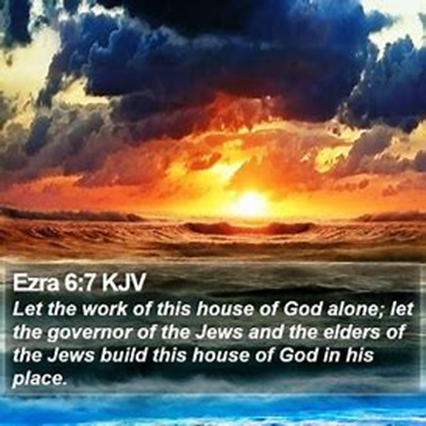
NOVEMBER 26, 2022 MIRACLE IN JERUSALEM #5 EZRA 5:1 – 17 SOMETIMES DELIVERANCE STARTS OUT BY LOOKING LIKE DISASTER

November 26, 2022

Ezra 5:1 – 17 “Temple Rebuilding Resumes (Haggai 1:1-11)

Later, the prophets Haggai and Zechariah son of Iddo prophesied to the Jews in Judah and Jerusalem in the name of the God of Israel, who was over them. Then Zerubbabel son of Shealtiel and Jeshua son of Jozadaka rose up and began to rebuild the house of God in Jerusalem. And the prophets of God were with them, helping them.

At that time Tattenai the governor of the region west of the Euphrates, Shethar-bozenai, and their associates went to the Jews and asked, “Who authorized you to rebuild this temple and restore this structure?”

They also asked, “What are the names of the men who are constructing this building?”

But the eye of their God was on the elders of the Jews, so that they were not stopped until a report was sent to Darius and written instructions about this matter were returned.

Tattenai’s Letter to Darius

This is the text of the letter that Tattenai the governor of the region west of the Euphrates, Shethar-bozenai, and their associates, the officials in the region, sent to King Darius. The report they sent him read as follows:

To King Darius:

All peace.

Let it be known to the king that we went into the province of Judah, to the house of the great God. The people are rebuilding it with large stones, and placing timbers in the walls. This work is being carried out diligently and is prospering in their hands. So we questioned the elders and asked, “Who authorized you to rebuild this temple and restore this structure?”

We also asked for their names, so that we could write down the names of their leaders for your information.

And this is the answer they returned:

“We are servants of the God of heaven and earth, and we are rebuilding the temple that was built many years ago, which a great king of Israel built and completed. But since our fathers angered the God of heaven, He delivered them into the hand of Nebuchadnezzar king of Babylon, the Chaldean who destroyed this temple and carried away the people to Babylon.

However, in his first year, Cyrus king of Babylon issued a decree to rebuild this house of God. He also removed from the temple of Babylon the gold and silver articles belonging to the house of God, which Nebuchadnezzar had taken and carried there from the temple in Jerusalem. King Cyrus gave these articles to a man named Sheshbazzar, whom he appointed governor and instructed, ‘Take these articles, put them in the temple in Jerusalem, and let the house of God be rebuilt on its original site.’

So this Sheshbazzar came and laid the foundation of the house of God in Jerusalem, and from that time until now it has been under construction, but is not yet completed.”

Now, therefore, if it pleases the king, let a search be made of the royal archives in Babylon to see if King Cyrus did indeed issue a decree to rebuild the house of God in Jerusalem. Then let the king send us his decision in this matter.”

When God sends prophets to encourage the Jews to continue rebuilding the temple, the work resumes. Now Tattenai, the governor of the region west of the Euphrates and his associates accost the Jewish elders, demanding to know by what authority they are continuing the work in Jerusalem. This delegation is also attempting to get a list of the names of the Jewish leaders; however, the Jews simply ignore that request.

Tattenai then writes a report to the Persian emperor. “Let it be known to the king that we went into the province of Judah, to the house of the great God.” Amazing! Even these pagans recognize the God of Israel as the great God. Tattenai continues his report by giving the details of the answer from the Jewish leaders. The report ends with a reference to an edict by King Cyrus. The Babylonians and Persians have elevated record – keeping to an art, and the royal archives in Babylon are extensive and well organized. And this accurate record keeping will prove to be the salvation of the efforts to rebuild the temple.

APPLICATION: We serve a God of infinite resourcefulness and infinite variety. God has moved King Cyrus to encourage the Jews to return to Jerusalem to rebuild the temple. Cyrus has even returned all the remaining temple articles left in the Babylonian/Persian treasury and has also given those returning money to help with the rebuilding. The Jews have resumed work on the temple despite intense opposition. Now it is the scribes in Babylon who are about to help deliver the Jews from this latest round of persecution.

Tattenai and his associates are certain that the Jews are simply upstarts who have no legal reason to carry out their building program. After all, the Jews are a relatively small minority compared to many of the other nations making up the Persian Empire. But God is in the details, even when a fuss budget administrator attempts to throw his weight around.

God delights in taking situations that appear impossible and transforming them. When we first came to the Assemblies of God Clinic in Saboba in January 1993, it was a small health center with eleven workers. (I had an argument with someone from an aid agency who announced loftily that they believed in “preventative medicine.” I replied that I too believed in preventative medicine; I believed in preventing people from dying during the forty-mile journey between Saboba and Yendi, the closest hospital in the area.) But when the Northern Ethnic Conflict of 1994 broke out in February 1994, this facility suddenly became the only safe health facility for 100,000 Konkombas. We had to start a theater (OR), a laboratory, a transfusion program, and increase our bed capacity to 37 beds just to cater for people who had nowhere else to go. Who knows how long it might have taken us to establish some of these services had we not been in a crisis?

Are you facing opposition and struggling to survive? Keep holding on to God! He specializes in redemptions!

PRAYER: Father God, thank You for loving us and for caring for us. Lord, help all those who are striving to do Your will to trust in Your protection. In the mighty and precious Name of King Jesus. Amen.
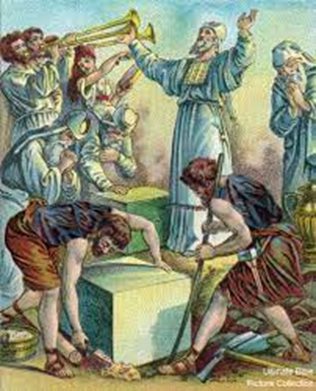
NOVEMBER 25, 2022 MIRACLE IN JERUSALEM #4 EZRA 4:1 – 24 IF YOU ARE DOING A GREAT WORK FOR GOD, EXPECT GREAT OPPOSITION! 

November 25, 2022

Ezra 4:1 – 24 Adversaries Hinder the Work

When the enemies of Judah and Benjamin heard that the exiles were building a temple for the LORD, the God of Israel, they approached Zerubbabel and the heads of the families, saying, “Let us build with you because, like you, we seek your God and have been sacrificing to Him since the time of King Esar-haddon of Assyria, who brought us here.”

But Zerubbabel, Jeshua, and the other heads of the families of Israel replied, “You have no part with us in building a house for our God, since we alone must build it for the LORD, the God of Israel, as Cyrus the king of Persia has commanded us.”

Then the people of the land set out to discourage the people of Judah and make them afraid to build. They hired counselors against them to frustrate their plans throughout the reign of Cyrus king of Persia and down to the reign of Darius king of Persia.

Opposition under Xerxes and Artaxerxes (Esther 1:1-9)

At the beginning of the reign of Xerxes, (Hebrew “Ahasuerus”) an accusation was lodged against the people of Judah and Jerusalem.

And in the days of Artaxerxes king of Persia, Bishlam, Mithredath, Tabeel, and the rest of his associates wrote a letter to Artaxerxes. It was written in Aramaic and then translated. Rehum the commander and Shimshai the scribe wrote the letter against Jerusalem to King Artaxerxes as follows:

From Rehum the commander, Shimshai the scribe, and the rest of their associates—the judges and officials over Tripolis, Persia, Erech and Babylon, the Elamites of Susa, and the rest of the peoples whom the great and honorable Ashurbanipal deported and settled in the cities of Samaria and elsewhere west of the Euphrates.

(This is the text of the letter they sent to him.)

To King Artaxerxes,

From your servants, the men west of the Euphrates:

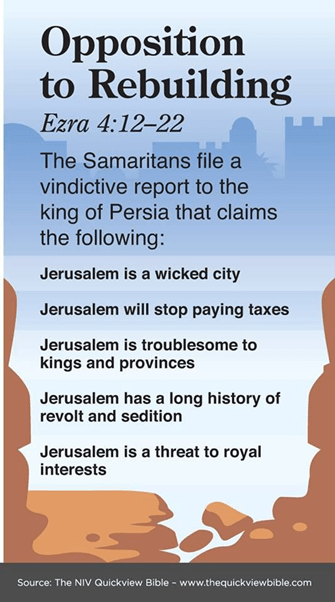
Let it be known to the king that the Jews who came from you to us have returned to Jerusalem. And they are rebuilding that rebellious and wicked city, restoring its walls, and repairing its foundations.

Let it now be known to the king that if that city is rebuilt and its walls are restored, they will not pay tribute, duty, or toll, and the royal treasury will suffer.

Now because we are in the service of the palace (Literally “because the salt of the palace is the salt we eat”) and it is not fitting for us to allow the king to be dishonored, we have sent to inform the king that a search should be made of the record books of your fathers. In these books you will discover and verify that the city is a rebellious city, harmful to kings and provinces, inciting sedition from ancient times. That is why this city was destroyed.

We advise the king that if this city is rebuilt and its walls are restored, you will have no dominion west of the Euphrates.

The Decree of Artaxerxes

Then the king sent this reply:

To Rehum the commander, Shimshai the scribe, and the rest of your associates living in Samaria and elsewhere in the region west of the Euphrates:

Greetings.

The letter you sent us has been translated and read in my presence. I issued a decree, and a search was conducted. It was discovered that this city has revolted against kings from ancient times, engaging in rebellion and sedition. And mighty kings have ruled over Jerusalem and exercised authority over the whole region west of the Euphrates; and tribute, duty, and toll were paid to them.

Now, therefore, issue an order for these men to stop, so that this city will not be rebuilt until I so order. See that you do not neglect this matter. Why allow this threat to increase and the royal interests to suffer? When the text of the letter from King Artaxerxes was read to Rehum, Shimshai the scribe, and their associates, they went immediately to the Jews in Jerusalem and forcibly stopped them.

Thus the construction of the house of God in Jerusalem ceased, and it remained at a standstill until the second year of the reign of King Darius of Persia.”

Just when everything was going well, the Samaritans chose to make trouble. The Samaritans were already angry because the Jews had returned to reclaim their homes and lands. Now the Samaritans demanded that they too should have a share in rebuilding the temple since they had been worshiping God for years. The problem was that the Samaritans had simply tacked on the worship of the God of Israel to the worship they were already offering to all their other pagan gods. The Jews were properly horrified and replied, ““You have no part with us in building a house for our God, since we alone must build it for the LORD, the God of Israel, as Cyrus the king of Persia has commanded us.”

The Jews who had returned fully realized that it was worship of those pagan gods that got their ancestors deported from Israel and Judah. The Jewish leaders were discerning enough to realize that if they allowed the Samaritans to join them, the Jewish young people might lapse back into idolatry.

Whether or not the Samaritans were sincere in their demands is a good question. Perhaps the Samaritans already anticipated that the Jews would refuse their involvement and were simply seeking an occasion to report the Jews to the higher officials. The refusal of the Jewish leaders gave the Samaritans the opportunity they had wanted, and they hired counselors (lawyers?) to write letters against the Jews. These letters were scurrilous, claiming that if Jerusalem were to be rebuilt and its walls restored, the King of Persia would have “no dominion west of the Euphrates.” (HUH??? Like a ragtag band of Jews was going to challenge the largest empire in the world?) While this was a gross exaggeration, it gained favorable attention and a royal edict was issued for construction to cease. Those leading the opposition to the Jews were Rehum, Shimshai the scribe, and their associates. Ezra is careful to record these names so that succeeding generations will remember who the villains were in this situation.

The people who wrote against the Jews knew exactly how to appeal to Artaxerxes and his pride. Artaxerxes promptly issued a royal edict ordering the Jews to cease and desist. At that point, construction stalled until the second year of the reign of Darius the Mede.

APPLICATION: It is a given that when God calls us to do a great work for Him, we can anticipate strong satanic opposition. Those opposing the rebuilding of Jerusalem and the temple were motivated by many things, but Satan was behind all their excuses.

While we shouldn’t be searching for demons under bushes, at the same time, we should also be prepared to be attacked in some fashion. Satanic attack may take many forms: physical illness for us or for those supporting us, family problems, political upheaval, etc. As I am writing this, we know of several families faithfully serving the Lord who are facing labyrinthine problems with their parents’ estates. Others are struggling with chronic illnesses and financial reversals. Years ago, two missionary nurses serving where we now serve developed so many interpersonal problems that they refused to speak to each other unless they were at work and also refused to eat at the same time at the same table. Both these ladies were dedicated Christians; however, they were under intense demonic attack and living in very harsh conditions.

The end of this chapter makes for depressing reading; however, just wait! Even as those critics were attempting to shut down the temple construction, God already had a plan in place. If you are going through a difficult time right now, don’t despair! If God has called you to do something great for Him, then He will certainly make it possible. Remember Hudson Taylor’s maxim:” God’s work, done God’s way, will never lack God’s supply.”

PRAYER: Father God, thank You for loving us and for caring for us. Lord, help us to trust that even when opponents attack, You are bigger than any enemy and that You can surely bring us through safely. In the mighty and precious Name of King Jesus. Amen.

NOVEMBER 24, 2022 MIRACLE IN JERUSALEM #3 EZRA 3:1 – 13 BETTER WORSHIP WITH YOUR KNEES SHAKING THAN NO WORSHIP AT ALL!

November 24, 2022

Ezra 3:1 – 13 Sacrifices Restored

“By the seventh month, the Israelites had settled in their towns, and the people assembled as one man in Jerusalem. Then Jeshua son of Jozadaka and his fellow priests, along with Zerubbabel son of Shealtiel and his associates, began to build the altar of the God of Israel to sacrifice burnt offerings on it, as it is written in the Law of Moses, the man of God. They set up the altar on its foundation and sacrificed burnt offerings on it to the LORD—both the morning and evening burnt offerings—even though they feared the people of the land.

They also celebrated the Feast of Tabernacles in accordance with what is written, and they offered burnt offerings daily based on the number prescribed for each day.

After that, they presented the regular burnt offerings and those for New Moons and for all the appointed sacred feasts of the LORD, as well as all the freewill offerings brought to the LORD.

On the first day of the seventh month, the Israelites began to offer burnt offerings to the LORD, although the foundation of the temple of the LORD had not been laid. They gave money to the masons and carpenters, and food and drink and oil to the people of Sidon and Tyre to bring cedar logs from Lebanon to Joppa by sea, as authorized by King Cyrus of Persia.

Temple Restoration Begins

In the second month of the second year after they had arrived at the house of God in Jerusalem, Zerubbabel son of Shealtiel, Jeshua son of Jozadak, and the rest of their associates including the priests, the Levites, and all who had returned to Jerusalem from the captivity, began the work. They appointed Levites twenty years of age or older to supervise the construction of the house of the LORD. So Jeshua and his sons and brothers, Kadmiel and his sons (descendants of Yehudah), and the sons of Henadad and their sons and brothers—all Levites—joined together to supervise those working on the house of God.

When the builders had laid the foundation of the temple of the LORD, the priests in their apparel with trumpets, and the Levites (the sons of Asaph) with cymbals, took their positions to praise the LORD, as King David of Israel had prescribed. And they sang responsively with praise and thanksgiving to the LORD:

“For He is good; for His loving devotion to Israel endures forever.” Then all the people gave a great shout of praise to the LORD, because the foundation of the house of the LORD had been laid.

But many of the older priests, Levites, and family heads who had seen the first temple wept loudly when they saw the foundation of this temple. Still, many others shouted joyfully. The people could not distinguish the shouts of joy from the sound of weeping, because the people were making so much noise. And the sound was heard from afar.”

“Bravery is being afraid and saddling up anyway,” to quote John Wayne. Based on that standard, these recently returnees from Babylon are very brave! Even though they have re-settled in their traditional cities, the Israelites now come together in Jerusalem and the priests build the altar and begin making sacrifices out in the open. These people may be worshiping while watching for an attack by the local people, but they are worshiping anyway.

Who are the “people of the land” the returnees fear? When the Babylonians and Assyrians carried off captives, they brought in people from other conquered lands to work the farms and the vineyards. In the beginning, these people had no fear of God; however, after several attacks by wild animals, authorities brought back a few priests to teach the people about the God of Israel. Those people who had been resettled from elsewhere then combined worshiping God with worshiping their other deities. These people became the Samaritans, and their compromised form of worship helped separate them from the Jews who returned from captivity.

The Israelites begin by celebrating the Feast of Tabernacles and all the other feasts in their appointed times. The priests offer the sacrifices required by the Law of Moses. At this point, nobody is worshiping Asherah, Moloch, or any of the other pagan gods; exile has taught the Jews some bitter but valuable lessons. Living in Babylon, these people have seen first – hand a society that is not based on the worship of the One True Living God.

Next, the people begin building the temple. When the foundation has been laid, there is a mammoth celebration with singing, blowing of trumpets, and all kinds of other instruments. But mingled in the crowd are elders who remember the glories of Solomon’s temple before it was ransacked. The foundations for this temple are far smaller than that of Solomon’s, and the comparison is heart – breaking. So while the younger Israelites are rejoicing, those who remember the previous temple are wailing in grief for the loss of it. The noise is amazing, echoing through the valleys surrounding Jerusalem. 

APPLICATION: When the Jews returned from exile, things weren’t easy at all. The Bible speaks airily about families re-settling in their towns and villages, but remember that after the Jews had left, other people came in and took over their houses and lands. Now the Jews were trying to re -claim those properties, and it’s likely that those holding them would not give up readily. How many times must those returnees have wished fervently that their ancestors had behaved themselves so that the exile would never have taken place! The friction that ensued when the Jews tried to reclaim their property might have fueled antagonisms between the Jews and Samaritans.

When the foundations for the new temple were laid, the younger people might have been thrilled. After all, they had only heard about Solomon’s temple but had never seen it. But for the elders who knew Solomon’s temple, this shrunken floor plan must have been a bitter disappointment. While the elders were pragmatic enough to realize that they had to tailor their building to the resources available, all they had to do was to look at the remains of Solomon’s temple to see that this temple would be minuscule by comparison. Ironically, it was gross neglect of Solomon’s temple that helped spur moral degradation of both Israel and Judah, resulting in successive waves of conquerors assailing the two kingdoms.

We can learn several things from this story:

  1. When God gives you a gift, take care of it! God gave the Promised Land to the Jews, and all they had to do to remain in it was to follow His instructions. But repeatedly, the Jews demonstrated that they had less fear of the Living God than did their pagan neighbors. The Jews refused to receive correction when God sent prophets, ignoring them and even killing them. How many times has God tried to get our attention, while we have made excuses and directed our energies and resources to entertaining ourselves and making our lives comfortable?
  2. If we are the ones tasked with rebuilding a situation, we need to take courage and do our best, even if our efforts result in something far smaller than the original buildings/organizations/foundations. Those who returned from exile went ahead in the face of local opposition to erect the altar, re – establish regular worship, and lay the foundations of the temple. The elders might have been weeping for what they had lost, but they were still helping anyway.
  3. Worship is always important, but even more so when we face opposition. There is never a time when worship is more necessary than when we are under scrutiny and criticism.

May God help us to worship Him daily, no matter how difficult our circumstances are, even if our knees are shaking!

PRAYER: Father God, thank You for loving us and for caring for us. Lord, help us to follow You closely all the days of our lives and to worship You, no matter what. In the mighty and precious Name of King Jesus. Amen.

NOVEMBER 23, 2022 MIRACLE IN JERUSALEM #2 EZRA 2:1 – 70 MORE LISTS? WHY?

November 23, 2022

Ezra 2:1 – 70 The List of Returning Exiles (Nehemiah 7:4-69)

Now these are the people of the province who came up from the captivity of the exiles carried away to Babylon by Nebuchadnezzar its king. They returned to Jerusalem and Judah, each to his own town, 2accompanied by Zerubbabel, Jeshua, Nehemiah, Seraiah, Reelaiah, Mordecai, Bilshan, Mispar, Bigvai, Rehum, and Baanah.

This is the count of the men of Israel: the descendants of Parosh, 2,172; the descendants of Shephatiah, 372; the descendants of Arah, 775; the descendants of Pahath-moab (through the line of Jeshua and Joab), 2,812; the descendants of Elam, 1,254; the descendants of Zattu, 945; the descendants of Zaccai, 760; the descendants of Bani, 642; the descendants of Bebai, 623; the descendants of Azgad, 1,222; the descendants of Adonikam, 666; the descendants of Bigvai, 2,056; the descendants of Adin, 454; the descendants of Ater (through Hezekiah), 98; the descendants of Bezai, 323; the descendants of Jorah, 112; the descendants of Hashum, 223; the descendants of Gibbar, 95; the men of Bethlehem, 123; the men of Netophah, 56; the men of Anathoth, 128; the descendants of Azmaveth, 42; the men of Kiriath-jearim, Chephirah, and Beeroth, 743; the men of Ramah and Geba, 621; the men of Michmash, 122; the men of Bethel and Ai, 223; the descendants of Nebo, 52; the descendants of Magbish, 156; the descendants of the other Elam, 1,254; the descendants of Harim, 320; the men of Lod, Hadid, and Ono, 725; the men of Jericho, 345; and the descendants of Senaah, 3,630.

The priests: The descendants of Jedaiah (through the house of Jeshua), 973; the descendants of Immer, 1,052; the descendants of Pashhur, 1,247; and the descendants of Harim, 1,017.

The Levites: the descendants of Jeshua and Kadmiel (through the line of Hodaviah), 74.

The singers: the descendants of Asaph, 128.

The descendants of the gatekeepers: the descendants of Shallum, the descendants of Ater, the descendants of Talmon, the descendants of Akkub, the descendants of Hatita, and the descendants of Shobai, 139 in all.

The temple servants: the descendants of Ziha, the descendants of Hasupha, the descendants of Tabbaoth, the descendants of Keros, the descendants of Siaha, the descendants of Padon, the descendants of Lebanah, the descendants of Hagabah, the descendants of Akkub, the descendants of Hagab, the descendants of Shalmai, the descendants of Hanan, the descendants of Giddel, the descendants of Gahar, the descendants of Reaiah, the descendants of Rezin, the descendants of Nekoda, the descendants of Gazzam, the descendants of Uzza, the descendants of Paseah, the descendants of Besai, the descendants of Asnah, the descendants of Meunim, the descendants of Nephusim, the descendants of Bakbuk, the descendants of Hakupha, the descendants of Harhur, the descendants of Bazluth, the descendants of Mehida, the descendants of Harsha, the descendants of Barkos, the descendants of Sisera, the descendants of Tamah, the descendants of Neziah, and the descendants of Hatipha.

The descendants of the servants of Solomon: the descendants of Sotai, the descendants of Sophereth, the descendants of Peruda, the descendants of Jaala, the descendants of Darkon, the descendants of Giddel, the descendants of Shephatiah, the descendants of Hattil, the descendants of Pochereth-hazzebaim, and the descendants of Ami. The temple servants and descendants of the servants of Solomon numbered 392 in all.

The following came up from Tel-melah, Tel-harsha, Cherub, Addan, and Immer, but could not prove that their families were descended from Israel: the descendants of Delaiah, the descendants of Tobiah, and the descendants of Nekoda, 652 in all.

And from among the priests: the descendants of Habaiah, the descendants of Hakkoz, and the descendants of Barzillai (who had married a daughter of Barzillai the Gileadite and was called by their name). These men searched for their family records, but they could not find them and so were excluded from the priesthood as unclean. The governor ordered them not to eat the most holy things until there was a priest to consult the Urim and Thummim.

The whole assembly numbered 42,360, in addition to their 7,337 menservants and maidservants, as well as their 200 male and female singers. They had 736 horses, 245 mules, 435 camels, and 6,720 donkeys.

Offerings by the Exiles (Nehemiah 7:70-73) When they arrived at the house of the LORD in Jerusalem, some of the heads of the families gave freewill offerings to rebuild the house of God on its original site. According to their ability, they gave to the treasury for this work 61,000 darics of gold, 5,000 minas of silver, and 100 priestly garments. (1,129.7 pounds or 512.4 kilograms of gold coins, 5,000 minas are approximately 3.14 tons or 2.85 metric tons of silver.)

So the priests, the Levites, the singers, the gatekeepers, and the temple servants, along with some of the people, settled in their own towns; and the rest of the Israelites settled in their towns.”

Ezra is describing the first group of Jews to return to Jerusalem – “The whole assembly numbered 42,360, in addition to their 7,337 menservants and maidservants, as well as their 200 male and female singers. They had 736 horses, 245 mules, 435 camels, and 6,720 donkeys.”

Pity Ezra the scribe! Ezra was attempting to record every family that returned from Persia to Jerusalem. Why were these detailed records so important? Tracing one’s family was essential if one were to be allowed to participate in temple worship, particularly as a priest. Notice that one group of men descended from the daughter of Barzillai the Gileadite, David’s friend, were unable to trace their ancestry convincingly and therefore were excluded from the priesthood as unclean. The priests postponed this decision until they could consult the Urim and Thummim.

Why didn’t all the Jews leave Babylon to return to Israel? Well, these people had been settled in Babylon for generations and were now comfortable. Those returning to Israel faced an uncertain future while those who remained in Babylon felt safe. When Ezra was listing families willing to take that risk, he was recording the names of pioneers, people willing to fulfill the Will of God by leaving the comforts of Babylon and risking their lives on a journey of several hundred miles to return to cities that lay in ruins. It was no small thing for a family to be listed here.

When the delegation reached Jerusalem, the heads of families donated a staggering amount of wealth to help rebuild the temple. Then all these people settled in their own towns.

APPLICATION: These days, tracing one’s ancestry has become big business. In some parts of the world, people can recite their ancestry for several generations. Ezra was carefully recording all these families because later their descendants would want verification of the contributions their families made to the rebuilding of the temple and Jerusalem.

For priestly families, it was critically important to assure that only those who were fully qualified would minister in the temple. Priestly families also enjoyed certain perks, including sharing meat from offerings, etc. The children of priests had to be careful to marry into the proper families so that they would not accidently forfeit their privileges.

For those of us who serve the One True Living God, we are doubly blessed. No matter who our fathers are, we have a Heavenly Father who is the King of Heaven. While the priests had to continue to offer sacrifices, our sins have been paid for by the blood sacrifice Jesus made on the cross at Calvary. So while it’s nice to know where we have come from, what’s more important is our eventual destination: heaven.

PRAYER: Father God, thank You for loving us and for caring for us. Lord, thank You for sending Jesus to die for our sins so that we aren’t dependent on where we have come from or who our families are. In the mighty and precious Name of King Jesus. Amen.
NOVEMBER 22, 2022 MIRACLE IN JERUSALEM #1 EZRA 1:1 – 11 GOD WILL SPEAK TO ANYONE WILLING TO LISTEN, INCLUDING A PAGAN KING

November 22, 2022

The Proclamation of Cyrus (2 Chronicles 36:22-23; Isaiah 45:1-25)

“In the first year of Cyrus king of Persia, to fulfill the word of the LORD spoken through Jeremiah, the LORD stirred the spirit of Cyrus king of Persia to send a proclamation throughout his kingdom and to put it in writing as follows:

“This is what Cyrus king of Persia says: ‘The LORD, the God of heaven, who has given me all the kingdoms of the earth, has appointed me to build a house for Him at Jerusalem in Judah. Whoever among you belongs to His people, may his God be with him, and may he go to Jerusalem in Judah and build the house of the LORD, the God of Israel; He is the God who is in Jerusalem. And let every survivor, wherever he lives, be assisted by the men of that region with silver, gold, goods, and livestock, along with a freewill offering for the house of God in Jerusalem.’”

So the family heads of Judah and Benjamin, along with the priests and Levites—everyone whose spirit God had stirred—prepared to go up and rebuild the house of the LORD in Jerusalem. And all their neighbors supported them with articles of silver and gold, with goods and livestock, and with valuables, in addition to all their freewill offerings.

Cyrus Restores the Holy Vessels

King Cyrus also brought out the articles belonging to the house of the LORD that Nebuchadnezzar had carried away from Jerusalem and placed in the temple of his gods. Cyrus king of Persia had them brought out by the hand of Mithredath the treasurer, who counted them out to Sheshbazzar the prince of Judah. This was the inventory: 30 gold dishes, 1,000 silver dishes, 29 silver utensils, 1030 gold bowls, 410 matching silver bowls, and 1,000 other articles. In all, there were 5,400 gold and silver articles. Sheshbazzar brought all these along when the exiles went up from Babylon to Jerusalem.”

King Cyrus of Persia is in the first year of his reign when he makes a startling proclamation encouraging Jews to return to Jerusalem to rebuild the temple. Why might a pagan king make such a pronouncement? “He is the God who is in Jerusalem.” Cyrus may view the Jewish God as a local god seated in Jerusalem; however, he is wise enough to realize that he needs all the spiritual support he can get. The God of the Jews is the same God who destroyed an enormous Egyptian army and then did miracles in the wilderness. This same God has delivered the Jews many times. Why not rebuild His temple in hopes of propitiating Him?

Whoever among you belongs to His people, may his God be with him, and may he go to Jerusalem in Judah and build the house of the LORD, the God of Israel; He is the God who is in Jerusalem. And let every survivor, wherever he lives, be assisted by the men of that region with silver, gold, goods, and livestock, along with a freewill offering for the house of God in Jerusalem.’”

Wow! Is Cyrus encouraging a mass exodus of all of his Jewish subjects? Doubtful. Cyrus fully realizes that there are those who may have settled into Babylon so completely that they won’t want to return to Jerusalem. But Cyrus is a munificent king who does things in a big way and who expects his subjects to do the same. Amazingly, Cyrus’s subjects do respond generously, and Jewish family heads prepare to leave for Jerusalem.

Yet another miracle takes place when Cyrus has all the furnishings from the temple of Jerusalem brought out and itemized. Thousands of years later, not only do we know exactly which items were sent back to Jerusalem, but we also know the names of the Persian treasurer and the Jewish prince to whom the items were given. Remember that these items are not the same ones created by King Solomon; through the years, successive kings have looted the temple, sending its treasures out of the country to buy off marauding armies. But these vessels might be the same ones that Belteshazzar and his courtiers were using the night God’s handwriting appeared on the wall and Daniel gave the interpretation.

APPLICATION: In the time of Cyrus, the Persian Empire was vast and highly organized. The Book of Esther describes royal messengers traveling hastily throughout the kingdom. Ostensibly, Cyrus had no reason to pay attention to the God of the Jews, but he did. Cyrus had a better appreciation for God than some of the Jews had.

Sometimes viewing current events around the world can become quite depressing. As I am writing this, Russia is still attacking Ukraine. There are political upheavals and economic downturns in several countries. Chaos appears to be the order of the day. We wonder if there is any hope left in the world. That might have been exactly the way the Jewish exiles in Persia felt. Seventy years had passed and there appeared to be no changes in their situation. The prophet Daniel even began special prayers when he realized that the seventy years foretold by Jeremiah had passed. It was when Daniel prayed that the Angel Gabriel came to him, encouraging him.

We all should be encouraged by the story of Cyrus. Even though the Jews thought that God had abandoned them in Persia, that was not true. When the time came for the delegation to leave for Jerusalem, Cyrus made the announcement and then ensured that the delegation would have everything it needed to be successful. While Daniel did not accompany that delegation, Daniel’s prayers helped assure them of success as well.

God can swiftly turn tragedies into celebrations and mourning into dancing. Psalm 126 tells us:

“When the LORD restored the captives of Zion, we were like dreamers.

Then our mouths were filled with laughter and our tongues with shouts of joy. Then it was said among the nations, “The LORD has done great things for them.” The LORD has done great things for us; we are filled with joy.

Restore our captives, O LORD, like streams in the Negev. Those who sow in tears will reap with shouts of joy.

He who goes out weeping, bearing a trail of seed, will surely return with shouts of joy, carrying sheaves of grain.”

The phrase about “streams in the Negev” refers to the fact that dry stream beds can suddenly fill with water when it rains in the mountain watershed that feeds those streams. In a few minutes, a stream bed can go from being empty and dry to being full to overflowing. God can move in an instant! Do not be discouraged or down – hearted! If you are continuing to serve the Lord, He is watching. At the right time, God will move and help you.

PRAYER: Father God, thank You for loving us and for caring for us. Lord, help us to trust Your timing and Your provision. Keep us free from doubt, knowing that You are the One who orders the stars and the planets, the seasons and the weather. In the mighty and precious Name of King Jesus. Amen.

NOVEMBER 21, 2022 ANOTHER LOOK AT THE ISRAELITES PART TWO #39 2 CHRONICLES 36:1 – 23 JOSIAH DIES – NOW IT’S OPEN SEASON ON JUDAH!

November 21, 2022

NOVEMBER 21, 2022 ANOTHER LOOK AT THE ISRAELITES PART TWO #39 2 CHRONICLES 36:1 – 23 JOSIAH DIES – NOW IT’S OPEN SEASON ON JUDAH!

2 Chronicles 36:1 – Jehoahaz Succeeds Josiah (2 Kings 23:31-35)

“Then the people of the land took Jehoahaz son of Josiah and made him king in Jerusalem in place of his father. Jehoahaz was twenty-three years old when he became king, and he reigned in Jerusalem three months. And the king of Egypt dethroned him in Jerusalem and imposed on Judah a levy of a hundred talents of silver and a talent of gold. (100 talents is approximately 3.77 tons or 3.42 metric tons of silver. A talent is approximately 75.4 pounds or 34.2 kilograms of gold.)

Then Neco king of Egypt made Eliakim brother of Jehoahaz king over Judah and Jerusalem, and he changed Eliakim’s name to Jehoiakim. But Neco took Eliakim’s brother Jehoahaz and carried him off to Egypt.

Jehoiakim Reigns in Judah (2 Kings 23:36-37)

Jehoiakim was twenty-five years old when he became king, and he reigned in Jerusalem eleven years. And he did evil in the sight of the LORD his God.

Then Nebuchadnezzar king of Babylon came up against Jehoiakim and bound him with bronze shackles to take him to Babylon. Nebuchadnezzar also took to Babylon some of the articles from the house of the LORD, and he put them in his temple in Babylon. As for the rest of the acts of Jehoiakim, the abominations he committed, and all that was found against him, they are indeed written in the Book of the Kings of Israel and Judah. And his son Jehoiachin reigned in his place.

Jehoiachin Reigns in Judah (2 Kings 24:6-9)

Jehoiachin was eighteen years old when he became king, and he reigned in Jerusalem three months and ten days. And he did evil in the sight of the LORD.

In the spring, King Nebuchadnezzar summoned Jehoiachin and brought him to Babylon, along with the articles of value from the house of the LORD. And he made Jehoiachin’s relative Zedekiah king over Judah and Jerusalem.

Zedekiah Reigns in Judah (2 Kings 24:18-20; Jeremiah 52:1-3)

Zedekiah was twenty-one years old when he became king, and he reigned in Jerusalem eleven years. And he did evil in the sight of the LORD his God and did not humble himself before Jeremiah the prophet, who spoke for the LORD.

He also rebelled against King Nebuchadnezzar, who had made him swear by God. But Zedekiah stiffened his neck and hardened his heart against turning to the LORD, the God of Israel. Furthermore, all the leaders of the priests and the people multiplied their unfaithful deeds, following all the abominations of the nations, and they defiled the house of the LORD, which He had consecrated in Jerusalem.

The Fall of Jerusalem (2 Kings 25:1-7)

Again and again the LORD, the God of their fathers, sent word to His people through His messengers because He had compassion on them and on His dwelling place. But they mocked the messengers of God, despising His words and scoffing at His prophets, until the wrath of the LORD against His people was stirred up beyond remedy.

So He brought up against them the king of the Chaldeans, who put their choice young men to the sword in the sanctuary, sparing neither young men nor young women, neither elderly nor infirm. God gave them all into the hand of Nebuchadnezzar, who carried off everything to Babylon—all the articles of the house of God, both large and small, and the treasures of the house of the LORD and of the king and his officials.

Then the Chaldeans set fire to the house of God and broke down the wall of Jerusalem. They burned down all the palaces and destroyed every article of value.

Those who escaped the sword were carried by Nebuchadnezzar into exile in Babylon, and they became servants to him and his sons until the kingdom of Persia came to power.

So the land enjoyed its Sabbath rest all the days of the desolation, until seventy years were completed, in fulfillment of the word of the LORD through Jeremiah.

The Proclamation of Cyrus (Ezra 1:1-4; Isaiah 45:1-25)

In the first year of Cyrus king of Persia, to fulfill the word of the LORD spoken through Jeremiah, the LORD stirred the spirit of Cyrus king of Persia to send a proclamation throughout his kingdom and to put it in writing as follows:

“This is what Cyrus king of Persia says:

‘The LORD, the God of heaven, who has given me all the kingdoms of the earth, has appointed me to build a house for Him at Jerusalem in Judah. Whoever among you belongs to His people, may the LORD his God be with him, and may he go up.’”

What’s the value of a single righteous life? As long as Josiah was king, the nation of Judah served the Lord. But when Josiah died at age 39, his son Jehoahaz succeeded him and things went downhill swiftly!

What does the term “Open Season” mean? Generally, there are restrictions for various kinds of game that people can hunt. Such restrictions might include hunting only at certain times of the year or under certain conditions. But “open season” indicates that a particular animal may be hunted at any time and under any conditions. With Josiah’s death, the last righteous leader is gone, the people are reverting to idolatry, and it’s open season on Judah.

Pharoah Neco might have left Judah alone, but when he learned that Josiah was dead, he came to Jerusalem, deposed Josiah’s son Jehoahaz and carrying him off to Egypt. Neco imposed a weighty levy on Judah, and made Jehoahaz’s brother Jehoiakim king in his place. Jehoiakim ruled for eleven years, leading Judah further into idolatry, until King Nebuchadnezzar raided Jerusalem, carrying off some of the treasures and taking Jehoiakim into slavery in Babylon. Later, Nebuchadnezzar returned to Jerusalem, collecting everything of value, killing many of its inhabitants, sending many of them into captivity in Babylon, and then breaking down the city walls. Judah and Jerusalem remained in this state for seventy years as foretold by Jeremiah, but then a miracle happened.

Just after Cyrus became king of Persia, he issued an edict: “The LORD, the God of heaven, who has given me all the kingdoms of the earth, has appointed me to build a house for Him at Jerusalem in Judah. Whoever among you belongs to His people, may the LORD his God be with him, and may he go up.’” Amazing! Incredible! A pagan king who has never known the Living God suddenly made one of the most important proclamations of all time.

APPLICATION: Once more, we see the sad results of Josiah’s hasty decision to attack Pharaoh Neco. Josiah died at age 39, and his son was 23 when he succeeded Josiah, so Josiah must have fathered this man when he was 16. Obviously, Josiah did little or nothing to train this man in the ways of God. The evil kings described here reigned about 23 years altogether; Josiah might have reigned for that 23-year period, prolonging the era of revival in Judah. Who knows how many people slid into idolatry because of Josiah’s premature death? No, Josiah’s decision was a very selfish one and not befitting of a wise king.

For graphic descriptions of the last days of Jerusalem and the chaos that ensued, we can turn to the Books of Jeremiah and Lamentations. These days, there are many people who choose to refer to themselves as “Prophet ____,” thus garnering lots of attention and money. But true prophets have a very rough time of it! There is an apocryphal story that Maimonides, the twelfth century Hebrew sage, once said, “Tell the truth and see the world,” indicating that if you tell the truth, you had better be prepared to flee quickly once you have done so! (Maimonides and his family fled religious persecution from country to country for much of his life.) 

The proclamation of Cyrus calling for the rebuilding of the temple in Jerusalem stands as something miraculous. By this point, the Persian Empire was enormous, stretching from modern Indi, Pakistan and Turkey all the way to Egypt. Jerusalem belonged to a tiny nation that had been destroyed seventy years earlier; its walls lay in ruins. And yet God moved Cyrus to make this pronouncement. Did God give Cyrus a dream or speak to him in an audible voice? We don’t know; we only know that shortly after Cyrus began his reign, he made this proclamation.

“The returning exiles came to Jerusalem in 538 B.C. under the leadership of Zerubbabel and Jeshua. They enthusiastically rebuilt the altar, resumed sacrifice, and began rebuilding the temple. For eighteen years they were delayed by enemies from the north, but in 520 B.C. an appeal to Darius, King of Persia, made it possible for them to resume work. Encouraged by Haggai and Zecariah, whose prophetic messages are directly related to the rebuilding project, the people completed and dedicated the temple in 516 B. C., as recorded in Ezra 1 – 6.” (The Amplified Bible, Introduction to the Book of Ezra)

The Books of Chronicles were likely compiled by Ezra, the scribe and priest who led the second delegation back from Babylon to Jerusalem in 458 B.C. Comparing the Books of 1 Kings and 2 Kings with the books of 1 Chronicles and 2 Chronicles, we realize that Ezra was far more interested in the spiritual state of the kings than in some of the details. But Ezra was viewing events through the lens of hindsight and could readily see where things went wrong.

In the American South, there is a saying that everybody is good for something, either for a good example or for a bad one. May those who come after us find us faithful, so our lives serve as good examples!

PRAYER: Father God, thank You for loving us and for caring for us. Lord, help us to live in such as way that we will glorify You throughout our lives. In the mighty and precious Name of King Jesus. Amen.