Archive for the ‘Uncategorized’ Category

SEPTEMBER 8, 2025 DARE TO BE A DANIEL! #10 CAN YOU READ THE HANDWRITING ON THE WALL?

September 8, 2025

Daniel 5:1-31 The Writing on the Wall

Many years later King Belshazzar gave a great feast for 1,000 of his nobles, and he drank wine with them. While Belshazzar was drinking the wine, he gave orders to bring in the gold and silver cups that his predecessor, Nebuchadnezzar, had taken from the Temple in Jerusalem. He wanted to drink from them with his nobles, his wives, and his concubines. So they brought these gold cups taken from the Temple, the house of God in Jerusalem, and the king and his nobles, his wives, and his concubines drank from them. While they drank from them they praised their idols made of gold, silver, bronze, iron, wood, and stone.

Suddenly, they saw the fingers of a human hand writing on the plaster wall of the king’s palace, near the lampstand. The king himself saw the hand as it wrote, and his face turned pale with fright. His knees knocked together in fear and his legs gave way beneath him.

The king shouted for the enchanters, astrologers, and fortune-tellers to be brought before him. He said to these wise men of Babylon, “Whoever can read this writing and tell me what it means will be dressed in purple robes of royal honor and will have a gold chain placed around his neck. He will become the third highest ruler in the kingdom!”

But when all the king’s wise men had come in, none of them could read the writing or tell him what it meant. So the king grew even more alarmed, and his face turned pale. His nobles, too, were shaken.

But when the queen mother heard what was happening, she hurried to the banquet hall. She said to Belshazzar, “Long live the king! Don’t be so pale and frightened. There is a man in your kingdom who has within him the spirit of the holy gods. During Nebuchadnezzar’s reign, this man was found to have insight, understanding, and wisdom like that of the gods. Your predecessor, the king—your predecessor King Nebuchadnezzar—made him chief over all the magicians, enchanters, astrologers, and fortune-tellers of Babylon. This man Daniel, whom the king named Belteshazzar, has exceptional ability and is filled with divine knowledge and understanding. He can interpret dreams, explain riddles, and solve difficult problems. Call for Daniel, and he will tell you what the writing means.”

Who was Belshazzar? David Guzik in his Enduring Word Commentary gives us the answer: “When we come to Daniel 5, Nebuchadnezzar is no longer the king of Babylon. How did it pass from Nebuchadnezzar to Belshazzar? The ancient historian Berosus gives us the following order of events:

· Nebuchadnezzar died after a 43-year reign.

· His son, Evil-Merodach (described in 2 Kings 25:27-30 and Jeremiah 52:31-34) ruled for only two years when he was assassinated by his brother-in-law Neriglassar, because his rule was arbitrary and licentious.

· Neriglassar (mentioned as Nergalsharezer in Jeremiah 39:313) ruled for four years until he died a natural death.

· His son, Laborosoarchod, only a child and of diminished mental capacity, ruled for only nine months when he was beaten to death by a gang of conspirators.

· The conspirators appointed Nabonidus, one of their gang, to be king. He ruled until Cyrus the Persian conquered Babylon.

b. Belshazzar the king: For a long time, historians and archaeologists knew that Nabonidus was said to be the last king of Babylon, not Belshazzar (who was Nabonidus’ eldest son). The solution to this so-called discrepancy was apparent when evidence was uncovered indicating not only Belshazzar’s association with Nabonidus on the throne, but also demonstrating that during the last part of his reign Nabonidus lived in Arabia and left the conduct of the Kingdom of Babylon to his eldest son Belshazzar. i. There was no additional mention of Belshazzar, the eldest son and co-regent with Nabonidus, until the Nabonidus Cylinder was discovered in this century. It is now displayed in the British Museum.

ii. According to Babylonian records, Belshazzar became co-regent in the third year of Nabonidus’ reign (553 B.C.) and continued in that capacity till the fall of Babylon (539 B.C.).

iii. It is most likely that at the time of Daniel 5, Nabonidus had gone out to fight the Medo-Persian army and had been already captured. Those armies now surrounded Babylon, and were looking for a way into the strongly defended city.”

 With the Medes surrounding the city, Belshazzar threw a party for his nobles and brought out the vessels his grandfather Nebuchadnezzar had looted from the temple in Jerusalem so that his nobles could drink wine from these consecrated objects. Evidently, Belshazzar had already proven himself to be foolish and had refused to learn anything from the sufferings of his grandfather Nebuchadnezzar. When Belshazzar desecrated the holy vessels from the temple in Jerusalem by drinking from them and praising demons rather than the One True Living God, he sealed his fate and that of his city.

God proceeded to write a warning with his finger on the wall. It’s possible that the writing was in Hebrew, a language none of the Babylonian magicians and astrologers would have understood. Obviously, the queen mother was not part of the orgy at the palace and she had far more sense than did her son, for she remembered Daniel. It’s also obvious that by this time, Daniel had faded into the background while the Babylonian astrologers and magicians had gained favor, likely because they would tell the king what he wanted to hear.

The story of the handwriting on the wall has passed into common parlance and is now used to indicate a warning that should be obvious to the meanest observer. The spectacle described in this story reminds me of a video I saw years ago about a family who chose to have a “hurricane party,” remaining in their home rather than evacuating from the path of the storm as did their neighbors. Already drunk, the husband insisted that everything would be fine. Sadly, the house was mostly destroyed and the innocent wife, who had pleaded to evacuate, was killed when struck by a falling beam. The last scene of the video showed the husband, now sober, grieving as he realized the results of his poor judgment.

We might read this story and feel complacent or even superior. After all, we would never do such a thing; we would certainly heed God’s warnings. But is that statement true? Through the years, we have watched as people have tried to convince themselves that there were no problems in a situation when major issues were already in abundance. Misplaced loyalties, fear of betrayal, fear of others discovering malfeasance-there are all kinds of reasons why people will steadfastly ignore God’s handwriting on the wall. May we confess our sins regularly, so that when God wants to show us something, we are prepared to receive it.

PRAYER: Father God, thank You for loving us and caring for us. Lord, help us to keep close accounts with You, confessing our sins swiftly so that when You want to tell us something, we will be prepared to receive it. In the mighty and precious Name of King Jesus. Amen.
SEPTEMBER 7, 2025 DARE TO BE A DANIEL! #9 NEBUCHADNEZZAR FINALLY LEARNS HE’S NOT GOD!

September 7, 2025

Daniel 4:28-37 The Dream’s Fulfillment

“But all these things did happen to King Nebuchadnezzar. Twelve months later he was taking a walk on the flat roof of the royal palace in Babylon. As he looked out across the city, he said, ‘Look at this great city of Babylon! By my own mighty power, I have built this beautiful city as my royal residence to display my majestic splendor.’

“While these words were still in his mouth, a voice called down from heaven, ‘O King Nebuchadnezzar, this message is for you! You are no longer ruler of this kingdom. You will be driven from human society. You will live in the fields with the wild animals, and you will eat grass like a cow. Seven periods of time will pass while you live this way, until you learn that the Most High rules over the kingdoms of the world and gives them to anyone he chooses.’

“That same hour the judgment was fulfilled, and Nebuchadnezzar was driven from human society. He ate grass like a cow, and he was drenched with the dew of heaven. He lived this way until his hair was as long as eagles’ feathers and his nails were like birds’ claws.

Nebuchadnezzar Praises God

“After this time had passed, I, Nebuchadnezzar, looked up to heaven. My sanity returned, and I praised and worshiped the Most High and honored the one who lives forever.

His rule is everlasting, and his kingdom is eternal. All the people of the earth are nothing compared to him. He does as he pleases among the angels of heaven and among the people of the earth. No one can stop him or say to him, ‘What do you mean by doing these things?’

“When my sanity returned to me, so did my honor and glory and kingdom. My advisers and nobles sought me out, and I was restored as head of my kingdom, with even greater honor than before. Now I, Nebuchadnezzar, praise and glorify and honor the King of heaven. All his acts are just and true, and he is able to humble the proud.”

Well, Nebuchadnezzar’s dream comes true! One fine morning, Nebuchadnezzar is striding around his palace, “‘Look at this great city of Babylon! By my own mighty power, I have built this beautiful city as my royal residence to display my majestic splendor.’”  Oh, Nebuchadnezzar! YOU JUST SAID THE WRONG THING!!!

“While these words were still in his mouth, a voice called down from heaven, ‘O King Nebuchadnezzar, this message is for you! You are no longer ruler of this kingdom. You will be driven from human society. You will live in the fields with the wild animals, and you will eat grass like a cow. Seven periods of time will pass while you live this way, until you learn that the Most High rules over the kingdoms of the world and gives them to anyone he chooses.’”

How it happens, we don’t know, but suddenly, Nebuchadnezzar goes crazy and his bewildered advisers can think of nothing to do but drive him out into the wilderness. “He ate grass like a cow, and he was drenched with the dew of heaven. He lived this way until his hair was as long as eagles’ feathers and his nails were like birds’ claws.”

But God’s timing is perfect, and at the end of the seven years, Nebuchadnezzar regains his sanity and his kingdom.

“After this time had passed, I, Nebuchadnezzar, looked up to heaven. My sanity returned, and I praised and worshiped the Most High and honored the one who lives forever.

His rule is everlasting, and his kingdom is eternal. All the people of the earth are nothing compared to him. He does as he pleases among the angels of heaven and among the people of the earth. No one can stop him or say to him, ‘What do you mean by doing these things?’

“When my sanity returned to me, so did my honor and glory and kingdom. My advisers and nobles sought me out, and I was restored as head of my kingdom, with even greater honor than before. Now I, Nebuchadnezzar, praise and glorify and honor the King of heaven. All his acts are just and true, and he is able to humble the proud.”

Reading this story, we might think of several world rulers to whom we wish something similar would happen. Vladimir Putin is someone who immediately comes to mind, while many of us might nominate several others. But the question for us is this: What does it take for us to recognize that God is sovereign and that we can only be his servants? How many of us secretly feel that we have created our own kingdoms and that we are unassailable?

May God help us, so that we will honor Him in everything we do.

PRAYER: Father God, thank You for loving us and caring for us. Lord, help us to honor You as our Sovereign Lord and King in everything we do. In the mighty and precious Name of King Jesus. Amen.
SEPTEMBER 6, 2025 DARE TO BE A DANIEL! #8 GOD SPEAKS IN DREAMS!

September 6, 2025

Daniel 4:1-27 Nebuchadnezzar’s Dream about a Tree

King Nebuchadnezzar sent this message to the people of every race and nation and language throughout the world: “Peace and prosperity to you!

“I want you all to know about the miraculous signs and wonders the Most High God has performed for me. How great are his signs, how powerful his wonders! His kingdom will last forever, his rule through all generations.

“I, Nebuchadnezzar, was living in my palace in comfort and prosperity. But one night I had a dream that frightened me; I saw visions that terrified me as I lay in my bed. So I issued an order calling in all the wise men of Babylon, so they could tell me what my dream meant. When all the magicians, enchanters, astrologers, and fortune-tellers came in, I told them the dream, but they could not tell me what it meant. At last Daniel came in before me, and I told him the dream. (He was named Belteshazzar after my god, and the spirit of the holy gods is in him.)

“I said to him, ‘Belteshazzar, chief of the magicians, I know that the spirit of the holy gods is in you and that no mystery is too great for you to solve. Now tell me what my dream means.

“‘While I was lying in my bed, this is what I dreamed. I saw a large tree in the middle of the earth. The tree grew very tall and strong, reaching high into the heavens for all the world to see. It had fresh green leaves, and it was loaded with fruit for all to eat. Wild animals lived in its shade, and birds nested in its branches. All the world was fed from this tree.

‘Then as I lay there dreaming, I saw a messenger, a holy one, coming down from heaven. The messenger shouted, “Cut down the tree and lop off its branches! Shake off its leaves and scatter its fruit! Chase the wild animals from its shade and the birds from its branches.
But leave the stump and the roots in the ground, bound with a band of iron and bronze
and surrounded by tender grass.


Now let him be drenched with the dew of heaven, and let him live with the wild animals among the plants of the field. For seven periods of time, let him have the mind of a wild animal instead of the mind of a human. For this has been decreed by the messengers; it is commanded by the holy ones, so that everyone may know that the Most High rules over the kingdoms of the world. He gives them to anyone he chooses—even to the lowliest of people.”

“‘Belteshazzar, that was the dream that I, King Nebuchadnezzar, had. Now tell me what it means, for none of the wise men of my kingdom can do so. But you can tell me because the spirit of the holy gods is in you.’

Daniel Explains the Dream

“Upon hearing this, Daniel (also known as Belteshazzar) was overcome for a time, frightened by the meaning of the dream. Then the king said to him, ‘Belteshazzar, don’t be alarmed by the dream and what it means.’

“Belteshazzar replied, ‘I wish the events foreshadowed in this dream would happen to your enemies, my lord, and not to you! The tree you saw was growing very tall and strong, reaching high into the heavens for all the world to see. It had fresh green leaves and was loaded with fruit for all to eat. Wild animals lived in its shade, and birds nested in its branches. That tree, Your Majesty, is you. For you have grown strong and great; your greatness reaches up to heaven, and your rule to the ends of the earth.

“‘Then you saw a messenger, a holy one, coming down from heaven and saying, “Cut down the tree and destroy it. But leave the stump and the roots in the ground, bound with a band of iron and bronze and surrounded by tender grass. Let him be drenched with the dew of heaven. Let him live with the animals of the field for seven periods of time.”

“‘This is what the dream means, Your Majesty, and what the Most High has declared will happen to my lord the king. You will be driven from human society, and you will live in the fields with the wild animals. You will eat grass like a cow, and you will be drenched with the dew of heaven. Seven periods of time will pass while you live this way, until you learn that the Most High rules over the kingdoms of the world and gives them to anyone he chooses. But the stump and roots of the tree were left in the ground. This means that you will receive your kingdom back again when you have learned that heaven rules.

“‘King Nebuchadnezzar, please accept my advice. Stop sinning and do what is right. Break from your wicked past and be merciful to the poor. Perhaps then you will continue to prosper.’”

Despite all the miracles Nebuchadnezzar has witnessed, he remains unrepentant and refuses to worship the One True Living God. But God loves Nebuchadnezzar and wants to break that royal pride so that he will realize there is only one God and King and that he is not it. God sends Nebuchadnezzar a frightening dream and the king immediately sends for Daniel to interpret it.

God portrays Nebuchadnezzar as a huge tree whose protection and fruits supplied all the creatures in the world. But a holy messenger commanded the tree to be cut down and the stump to be bound with bands of iron and brass to hold it together. Then God decrees, “Let him be drenched with the dew of heaven. Let him live with the animals of the field for seven periods of time.”

What can Daniel say? The interpretation is frightening; yet, he must give it accurately. “‘This is what the dream means, Your Majesty, and what the Most High has declared will happen to my lord the king. You will be driven from human society, and you will live in the fields with the wild animals. You will eat grass like a cow, and you will be drenched with the dew of heaven. Seven periods of time will pass while you live this way, until you learn that the Most High rules over the kingdoms of the world and gives them to anyone he chooses. But the stump and roots of the tree were left in the ground. This means that you will receive your kingdom back again when you have learned that heaven rules.”

All Daniel can do is to beg Nebuchadnezzar:” ‘King Nebuchadnezzar, please accept my advice. Stop sinning and do what is right. Break from your wicked past and be merciful to the poor. Perhaps then you will continue to prosper.’”

We don’t know what Nebuchadnezzar has been doing, but obviously, he has been wicked and has been merciless to the poor. Now God is giving the king a final warning, one that eventually comes true.

This story illustrates Daniel’s courage, for who wants to advise the most powerful ruler of the world that he’s a miserable sinner who is about to suffer for his sins? Why should God warn Nebuchadnezzar in this fashion?

It’s tempting to divide Biblical characters into good guys and bad guys; however, God views people differently than we do. God loves Nebuchadnezzar and wants him to repent and worship Him rather than himself. But God has already demonstrated His power by saving the three young men from a fiery furnace and Nebuchadnezzar has settled for giving a weak warning for people to respect God but not necessarily to worship Him alone. Now it’s time for God to deal directly with Nebuchadnezzar.

The question for us is simple: How much work does it take for God to get OUR attention? How many of us are actually worshiping ourselves, rather than God? Even when we attend worship services, are we actually worshiping God or are we admiring ourselves, our dedication, our performance? May God help us so that we worship Him and Him alone!

PRAYER: Father God, thank You for loving us and caring for us. Lord, help us to truly worship You and You alone. In the mighty and precious Name of King Jesus. Amen.
SEPTEMBER 5 2025 DARE TO BE A DANIEL! #7 HOW FAR ARE YOU WILLING TO GO TO SERVE GOD?

September 5, 2025

Daniel 3:19-30 The Blazing Furnace

Nebuchadnezzar was so furious with Shadrach, Meshach, and Abednego that his face became distorted with rage. He commanded that the furnace be heated seven times hotter than usual. Then he ordered some of the strongest men of his army to bind Shadrach, Meshach, and Abednego and throw them into the blazing furnace. So they tied them up and threw them into the furnace, fully dressed in their pants, turbans, robes, and other garments. And because the king, in his anger, had demanded such a hot fire in the furnace, the flames killed the soldiers as they threw the three men in. So Shadrach, Meshach, and Abednego, securely tied, fell into the roaring flames.

But suddenly, Nebuchadnezzar jumped up in amazement and exclaimed to his advisers, “Didn’t we tie up three men and throw them into the furnace?”

“Yes, Your Majesty, we certainly did,” they replied.

“Look!” Nebuchadnezzar shouted. “I see four men, unbound, walking around in the fire unharmed! And the fourth looks like a god!”

Then Nebuchadnezzar came as close as he could to the door of the flaming furnace and shouted: “Shadrach, Meshach, and Abednego, servants of the Most High God, come out! Come here!”

So Shadrach, Meshach, and Abednego stepped out of the fire. Then the high officers, officials, governors, and advisers crowded around them and saw that the fire had not touched them. Not a hair on their heads was singed, and their clothing was not scorched. They didn’t even smell of smoke!

Then Nebuchadnezzar said, “Praise to the God of Shadrach, Meshach, and Abednego! He sent his angel to rescue his servants who trusted in him. They defied the king’s command and were willing to die rather than serve or worship any god except their own God. Therefore, I make this decree: If any people, whatever their race or nation or language, speak a word against the God of Shadrach, Meshach, and Abednego, they will be torn limb from limb, and their houses will be turned into heaps of rubble. There is no other god who can rescue like this!”

Then the king promoted Shadrach, Meshach, and Abednego to even higher positions in the province of Babylon.

If you want to really see someone having a major temper tantrum, just cross a world ruler such as Nebuchadnezzar! From infancy, this ruler has been surrounded by yes-men and yes-women who will tell him exactly what he wants to hear. Now these three young men have refused. Nebuchadnezzar orders the furnace to be heated seven times hotter than usual and orders his strongest soldiers to throw the men into the furnace. The fire is so hot that the poor soldiers handling the young men die from the heat while the young men fall fully clothed into the furnace.

But look what happens now! Not only are the three men walking around in the furnace, freed from their bonds as if nothing is happening, but there’s a fourth man with them who “looks like a god.” Many Christians believe that the fourth man is Jesus who accompanies the men to encourage and protect them. Whether this is Jesus or an angel such as Archangel Michael, the Angel of the Israelites, God obviously protects these men. When Nebuchadnezzar calls the men to come out of the furnace, he is shocked to realize that not only are they not burnt, but the fire has not touched them at all; they don’t even smell like smoke.

Then Nebuchadnezzar said, “Praise to the God of Shadrach, Meshach, and Abednego! He sent his angel to rescue his servants who trusted in him. They defied the king’s command and were willing to die rather than serve or worship any god except their own God. Therefore, I make this decree: If any people, whatever their race or nation or language, speak a word against the God of Shadrach, Meshach, and Abednego, they will be torn limb from limb, and their houses will be turned into heaps of rubble. There is no other god who can rescue like this!”

Then the king promoted Shadrach, Meshach, and Abednego to even higher positions in the province of Babylon.

Nebuchadnezzar stands amazed at the God of these three men and orders his subjects not to speak a word against this God. But Nebuchadnezzar stops short of worshiping God himself, preferring to persist in worshiping his own gods and also worshiping himself. It will take a much bigger cataclysm before Nebuchadnezzar himself worships God.

In the meantime, the scheming astrologers are crest fallen. All their plotting has failed; in fact, these three men are promoted to even more important positions. As these men mutter in a disconsolate group, they wonder, “Can’t a villain ever get a break around here?”  

This part of the story is one of the most satisfying conclusions possible. Not only are Shadrach, Meshach, and Abednego validated, but they are delivered from the fiery furnace and even promoted to higher positions than they have occupied previously.

What can we learn from this story? When we serve the God of Abraham, Isaac, and Jacob, we are serving a God who can deliver, protect, and promote. We might ask why God doesn’t always deliver us, why must we suffer? God wants to perfect us by any means possible. Many times, we only learn spiritual truths through suffering. On the other hand, there have been times when God has miraculously delivered believers. Only God knows what we need the most. In this story, the three young men have done everything they can to serve God faithfully, and they have not compromised. God responds by delivering them. Notice that when God delivers, the young men don’t have singed hair or even smell like smoke. When God delivers, He does a complete job of it.

Remember what the young men have said in response to Nebuchadnezzar: They are prepared to serve God, believing that He is fully capable of delivering them, but swearing to serve Him, whether or not He delivers them. We must always be prepared for God to accomplish His perfect will, rather than our desires. Many Christian martyrs have died while serving Him, even though they have had effective ministries and are blessing large numbers of people. All we can do is to remain faithful, no matter our circumstances. May God help us, so that we will be willing to live or die for Him.

PRAYER: Father God, thank You for loving us and caring for us. Lord, help us to remain faithful to You, no matter the circumstances or threats to our lives. In the mighty and precious Name of King Jesus. Amen.
SEPTEMBER 4 2025 DARE TO BE A DANIEL! #6 WHOM ARE YOU GOING TO WORSHIP?

September 4, 2025

Daniel 3:1-18 Gold Statue

King Nebuchadnezzar made a gold statue ninety feet tall and nine feet wide and set it up on the plain of Dura in the province of Babylon. Then he sent messages to the high officers, officials, governors, advisers, treasurers, judges, magistrates, and all the provincial officials to come to the dedication of the statue he had set up. So all these officials came and stood before the statue King Nebuchadnezzar had set up.

Then a herald shouted out, “People of all races and nations and languages, listen to the king’s command! When you hear the sound of the horn, flute, zither, lyre, harp, pipes, and other musical instruments, bow to the ground to worship King Nebuchadnezzar’s gold statue. Anyone who refuses to obey will immediately be thrown into a blazing furnace.” So at the sound of the musical instruments, all the people, whatever their race or nation or language, bowed to the ground and worshiped the gold statue that King Nebuchadnezzar had set up.

But some of the astrologers went to the king and informed on the Jews. They said to King Nebuchadnezzar, “Long live the king! You issued a decree requiring all the people to bow down and worship the gold statue when they hear the sound of the horn, flute, zither, lyre, harp, pipes, and other musical instruments. That decree also states that those who refuse to obey must be thrown into a blazing furnace. But there are some Jews—Shadrach, Meshach, and Abednego—whom you have put in charge of the province of Babylon. They pay no attention to you, Your Majesty. They refuse to serve your gods and do not worship the gold statue you have set up.”

Then Nebuchadnezzar flew into a rage and ordered that Shadrach, Meshach, and Abednego be brought before him. When they were brought in, Nebuchadnezzar said to them, “Is it true, Shadrach, Meshach, and Abednego, that you refuse to serve my gods or to worship the gold statue I have set up? I will give you one more chance to bow down and worship the statue I have made when you hear the sound of the musical instruments. But if you refuse, you will be thrown immediately into the blazing furnace. And then what god will be able to rescue you from my power?”

Shadrach, Meshach, and Abednego replied, “O Nebuchadnezzar, we do not need to defend ourselves before you. If we are thrown into the blazing furnace, the God whom we serve is able to save us. He will rescue us from your power, Your Majesty. But even if he doesn’t, we want to make it clear to you, Your Majesty, that we will never serve your gods or worship the gold statue you have set up.”

“But there are some Jews—Shadrach, Meshach, and Abednego—whom you have put in charge of the province of Babylon. They pay no attention to you, Your Majesty. They refuse to serve your gods and do not worship the gold statue you have set up.”

Well! After these Hebrew upstarts have succeeded in gaining important positions within Nebuchadnezzar’s empire, finally the displaced bureaucrats have an opportunity to get rid of these nuisances. Frankly, these guys don’t care which deity they worship; as far as they’re concerned, whatever Nebuchadnezzar wants, Nebuchadnezzar gets. But this most recent edict of Nebuchadnezzar’s hands these gentlemen a golden opportunity. Shadrach, Meshach, and Abednego have already distinguished themselves by joining Daniel in refusing the king’s rich food, giving them a physical and mental edge over their competitors. This refusal stems from the fact that much of that food has been dedicated to local gods before being brought to Nebuchadnezzar. When Daniel gains favor with Nebuchadnezzar by successfully describing his dream and interpreting it, these three men are also promoted to prominent managerial positions. Those who have been deposed from their positions are fuming and want nothing more than to get rid of these nuisances.

Then Nebuchadnezzar flew into a rage and ordered that Shadrach, Meshach, and Abednego be brought before him. When they were brought in, Nebuchadnezzar said to them, “Is it true, Shadrach, Meshach, and Abednego, that you refuse to serve my gods or to worship the gold statue I have set up? I will give you one more chance to bow down and worship the statue I have made when you hear the sound of the musical instruments. But if you refuse, you will be thrown immediately into the blazing furnace. And then what god will be able to rescue you from my power?”

Nebuchadnezzar flies into a rage, confronting these three men whom he has previously trusted with running the province of Babylon. But the astrologers have appealed to Nebuchadnezzar’s vanity, and he has responded as they have hoped. As Nebuchadnezzar is thundering at these men, the astrologers are likely rubbing their hands in glee.

Shadrach, Meshach, and Abednego replied, “O Nebuchadnezzar, we do not need to defend ourselves before you. If we are thrown into the blazing furnace, the God whom we serve is able to save us. He will rescue us from your power, Your Majesty. But even if he doesn’t, we want to make it clear to you, Your Majesty, that we will never serve your gods or worship the gold statue you have set up.”

Notice that these men cover all eventualities. As Shadrach, Meshach, and Abednego are refusing to worship this image, they are avowing that God can rescue them from Nebuchadnezzar. At the same time, the three also avow that they would rather die in the fiery furnace than serving Nebuchadnezzar’s gods or his golden image.

We will take up the rest of the story tomorrow, but the question for us is simple: Whom are we worshiping? Whom will we worship? And how far are we willing to go to serve the One True Living God? In northern Nigeria, in Islamic countries, in North Korea, Christians are dying for their faith. Some of us are scarcely willing to attend church if we become uncomfortable or we have to travel a distance. At this point, we must ask ourselves if we truly worship God or are we merely attending worship services out of habit but not out of commitment? May God help us to remain true to Him, no matter what happens!

PRAYER: Father God, thank You for loving us and caring for us. Lord, help us to follow hard after You, no matter how difficult things become. In the mighty and precious Name of King Jesus. Amen.
SEPTEMBER 3, 2025 DARE TO BE A DANIEL! #5 THE GOD WHO SENDS DREAMS CAN GIVE INTERPRETATIONS

September 3, 2025

Daniel 2:24-49 Daniel Interprets the Dream

Then Daniel went in to see Arioch, whom the king had ordered to execute the wise men of Babylon. Daniel said to him, “Don’t kill the wise men. Take me to the king, and I will tell him the meaning of his dream.”

Arioch quickly took Daniel to the king and said, “I have found one of the captives from Judah who will tell the king the meaning of his dream!”

The king said to Daniel (also known as Belteshazzar), “Is this true? Can you tell me what my dream was and what it means?”

Daniel replied, “There are no wise men, enchanters, magicians, or fortune-tellers who can reveal the king’s secret. But there is a God in heaven who reveals secrets, and he has shown King Nebuchadnezzar what will happen in the future. Now I will tell you your dream and the visions you saw as you lay on your bed.

“While Your Majesty was sleeping, you dreamed about coming events. He who reveals secrets has shown you what is going to happen. And it is not because I am wiser than anyone else that I know the secret of your dream, but because God wants you to understand what was in your heart.

“In your vision, Your Majesty, you saw standing before you a huge, shining statue of a man. It was a frightening sight. The head of the statue was made of fine gold. Its chest and arms were silver, its belly and thighs were bronze, its legs were iron, and its feet were a combination of iron and baked clay. As you watched, a rock was cut from a mountain, but not by human hands. It struck the feet of iron and clay, smashing them to bits. The whole statue was crushed into small pieces of iron, clay, bronze, silver, and gold. Then the wind blew them away without a trace, like chaff on a threshing floor. But the rock that knocked the statue down became a great mountain that covered the whole earth.

“That was the dream. Now we will tell the king what it means. Your Majesty, you are the greatest of kings. The God of heaven has given you sovereignty, power, strength, and honor. He has made you the ruler over all the inhabited world and has put even the wild animals and birds under your control. You are the head of gold.

“But after your kingdom comes to an end, another kingdom, inferior to yours, will rise to take your place. After that kingdom has fallen, yet a third kingdom, represented by bronze, will rise to rule the world. Following that kingdom, there will be a fourth one, as strong as iron. That kingdom will smash and crush all previous empires, just as iron smashes and crushes everything it strikes. The feet and toes you saw were a combination of iron and baked clay, showing that this kingdom will be divided. Like iron mixed with clay, it will have some of the strength of iron. But while some parts of it will be as strong as iron, other parts will be as weak as clay. This mixture of iron and clay also shows that these kingdoms will try to strengthen themselves by forming alliances with each other through intermarriage. But they will not hold together, just as iron and clay do not mix.”

“During the reigns of those kings, the God of heaven will set up a kingdom that will never be destroyed or conquered. It will crush all these kingdoms into nothingness, and it will stand forever. That is the meaning of the rock cut from the mountain, though not by human hands, that crushed to pieces the statue of iron, bronze, clay, silver, and gold. The great God was showing the king what will happen in the future. The dream is true, and its meaning is certain.”

Nebuchadnezzar Rewards Daniel

Then King Nebuchadnezzar threw himself down before Daniel and worshiped him, and he commanded his people to offer sacrifices and burn sweet incense before him. The king said to Daniel, “Truly, your God is the greatest of gods, the Lord over kings, a revealer of mysteries, for you have been able to reveal this secret.”

Then the king appointed Daniel to a high position and gave him many valuable gifts. He made Daniel ruler over the whole province of Babylon, as well as chief over all his wise men. At Daniel’s request, the king appointed Shadrach, Meshach, and Abednego to be in charge of all the affairs of the province of Babylon, while Daniel remained in the king’s court.

God has done it! God has given Daniel the dream and its interpretation. Daniel and his friends are saved, as are the rest of the magicians and wise men. Arioch, the commander of the guard, is thrilled, for he had no interest in having to slaughter the magicians and wise men. Now let’s examine the dream.

For reasons known only to God, He has chosen to give this pagan ruler a prophetic dream about his kingdom and the kingdoms to come. In the dream, there is a huge statue of a man with a head of fine gold, a chest and arms of silver, the belly and thighs of bronze, the legs of iron, and the feet a combination of iron and baked clay. A rock Is cut from a mountain, but not by human hands. It stikes the feet of iron and clay, smashing them to bits. The whole statue is crushed into small pieces of iron, clay, bronze, silver, and gold. Then the wind blows them away without a trace, like chaff on a threshing floor. But the rock that has knocked the statue down becomes a great mountain that covers the whole earth.

The head of gold represents the Babylonian kingdom which will last between 609-539 BC. The silver represents the kingdom of Persia, lasting from 539-333 BC. The bronze represents the Greek kingdom from 333-49 BC. The iron and iron plus clay represents the Roman kingdom lasting from 49 BC-33 AD when Jesus is crucified and rises from the dead. Jesus is the stone cut form a mountain without human hands that smashes everything, reducing it to fine dust, while the Kingdom of God covers the entire earth.

Those of you who are history buffs might argue with the dates for the Roman Empire; however, this is a matter of world domination, not simply the existence of a kingdom. We might well ask why there are no more parts to the statue. What about all the other empires that have arisen subsequently? What about the Ottoman Empire for example, or the British Empire? Perhaps the answer is quite simple: The implications of this dream are not merely political but also spiritual. Once Jesus comes, all other kingdoms will eventually be irrelevant and will equally disappear.

Why does God give this mighty ruler a vision of empires crumbling and disappearing? God wants Nebuchadnezzar to realize that nothing is permanent, not even Babylon. Nebuchadnezzar is amazed at the wisdom Daniel has demonstrated and even bows in worship and commands sacrifices. Nebuchadnezzar praises Daniel’s God and promotes Daniel and his friends; however, there are still more lessons for this proud monarch to learn before he will truly worship God.

For the moment, we can leave Daniel, Hananiah, Azariah, and Mishael rejoicing that God has given Daniel the answers. But there are others in the kingdom who aren’t nearly so happy with this result. Envy and in-fighting among bureaucrats is also as old as humanity. Tomorrow we’ll learn how God has to deliver three believers.

PRAYER: Father God, thank You for loving us and caring for us. Lord, thank You, that You are a God who knows, who sees, who hears, and who understands. Help us to trust You so that when we are in trouble, we will seek Your solutions and nothing else. In the matchless Name of King Jesus. Amen.

SEPTEMBER 2, 2025 DARE TO BE A DANIEL! #4 GOD HAS FUNNY WAYS OF PROMOTING US

September 2, 2025

Daniel 2:1-23 Nebuchadnezzar’s Dream

One night during the second year of his reign, Nebuchadnezzar had such disturbing dreams that he couldn’t sleep. He called in his magicians, enchanters, sorcerers, and astrologers, and he demanded that they tell him what he had dreamed. As they stood before the king, he said, “I have had a dream that deeply troubles me, and I must know what it means.”

Then the astrologers answered the king in Aramaic, “Long live the king! Tell us the dream, and we will tell you what it means.”

But the king said to the astrologers, “I am serious about this. If you don’t tell me what my dream was and what it means, you will be torn limb from limb, and your houses will be turned into heaps of rubble! But if you tell me what I dreamed and what the dream means, I will give you many wonderful gifts and honors. Just tell me the dream and what it means!”

They said again, “Please, Your Majesty. Tell us the dream, and we will tell you what it means.”

The king replied, “I know what you are doing! You’re stalling for time because you know I am serious when I say, ‘If you don’t tell me the dream, you are doomed.’ So you have conspired to tell me lies, hoping I will change my mind. But tell me the dream, and then I’ll know that you can tell me what it means.”

The astrologers replied to the king, “No one on earth can tell the king his dream! And no king, however great and powerful, has ever asked such a thing of any magician, enchanter, or astrologer! The king’s demand is impossible. No one except the gods can tell you your dream, and they do not live here among people.”

The king was furious when he heard this, and he ordered that all the wise men of Babylon be executed. And because of the king’s decree, men were sent to find and kill Daniel and his friends.

When Arioch, the commander of the king’s guard, came to kill them, Daniel handled the situation with wisdom and discretion. He asked Arioch, “Why has the king issued such a harsh decree?” So Arioch told him all that had happened. Daniel went at once to see the king and requested more time to tell the king what the dream meant.

Then Daniel went home and told his friends Hananiah, Mishael, and Azariah what had happened. He urged them to ask the God of heaven to show them his mercy by telling them the secret, so they would not be executed along with the other wise men of Babylon. That night the secret was revealed to Daniel in a vision. Then Daniel praised the God of heaven. He said, “Praise the name of God forever and ever, for he has all wisdom and power. He controls the course of world events; he removes kings and sets up other kings. He gives wisdom to the wise and knowledge to the scholars. He reveals deep and mysterious things and knows what lies hidden in darkness, though he is surrounded by light. I thank and praise you, God of my ancestors, for you have given me wisdom and strength. You have told me what we asked of you and revealed to us what the king demanded.”

WELL! What good is it being the supreme ruler of the most powerful empire if you can’t get one simple little wish granted? For a long time, Nebuchadnezzar has suspected that his magicians and wise men have been faking things, and now he has proof. One night, Nebuchadnezzar has a very disturbing dream; however, when he wakes up, all he remembers is how frightened he was during the dream. Interpreting a dream is child’s play; after all, there are well-laid down rules for dream interpretations. But if these magicians and wise men are worth anything, they ought to be able to describe the dream as well as interpreting it.

Naturally, the magicians and wise men are terrified! Nobody has ever made such a demand on them before and they have no means of satisfying the king. Not only that, but Nebuchadnezzar is known to fly into a temper over the slightest mishap. Now these poor men who have served the court for years are facing death and destruction not only for themselves but also for their families.

Fortunately, for these men who are shaking in their sandals, Arioch, the commander of the king’s guard, decides to start by eliminating the Hebrew advisors. Perhaps Daniel and Arioch have become friends; at any rate, when Arioch arrives, Daniel questions him and then promises to go to the king and plead for more time.

This part of the story is so simply told that we might miss the miracle it conveys. As a supreme ruler, Nebuchadnezzar summons people to the palace; people do not simply drop in to visit Nebuchadnezzar. In the story of Esther, the king extends his scepter to Esther; were the king not to extend the scepter, Esther would have been killed. But Daniel not only goes to the palace but meets with the king and is given more time to solve the problem. Perhaps Nebuchadnezzar is feeling the slightest bit sorry he made all those threats and is looking for a face-saving way out. Besides, Nebuchadnezzar still can’t remember the dream and really wants to know both the dream and its interpretation. This Hebrew fellow Daniel seems to have sources of wisdom not available to the Babylonian magicians. Why not give Daniel a chance?

Daniel and his three friends pray earnestly, and that night, God shows Daniel both the dream and the interpretation. “Praise the name of God forever and ever, for he has all wisdom and power. He controls the course of world events; he removes kings and sets up other kings. He gives wisdom to the wise and knowledge to the scholars. He reveals deep and mysterious things and knows what lies hidden in darkness, though he is surrounded by light. I thank and praise you, God of my ancestors, for you have given me wisdom and strength. You have told me what we asked of you and revealed to us what the king demanded.”

We will pause the story here, but please study Daniel’s prayer of gratitude to God. “He controls the course of world events; he removes kings and sets up other kings.” When the shooting took place at the Catholic school in Minneapolis recently, it was the 44th school shooting to take place this year in the U.S. Schools are no longer places of refuge.

When terrible things happen, we wonder if God is still on the throne or if He’s gone on vacation. We must remember that terrible things have happened throughout history. Daniel and his friends were in Babylon because the Jews had failed to follow God and God had allowed the Babylonians to conquer them. But God still hears the prayers of believers and he still works through believers. “He gives wisdom to the wise and knowledge to the scholars. He reveals deep and mysterious things and knows what lies hidden in darkness, though he is surrounded by light. I thank and praise you, God of my ancestors, for you have given me wisdom and strength. You have told me what we asked of you and revealed to us what the king demanded.”

God does not play favorites; He is the same yesterday, today, and forever. The God who helped Daniel and his friends will also help us when we cry out to Him. Let us worship Him and serve Him faithfully, for He is our help and salvation.

PRAYER: Father God, thank You for loving us and caring for us. Lord, help us to follow hard after You all the days of our lives. Help us to trust that when we are in need of knowledge, courage, or strength, You are our Source. In the mighty and precious Name of King Jesus. Amen.

SEPTEMBER 1, 2025 DARE TO BE A DANIEL! #3 DANIEL 1:8-21 GOD, DO I HAVE TO GIVE UP MY HAMBERGER?

September 1, 2025

Daniel and his friends refuse the king’s food.

“But Daniel was determined not to defile himself by eating the food and wine given to them by the king. He asked the chief of staff for permission not to eat these unacceptable foods. Now God had given the chief of staff both respect and affection for Daniel. But he responded, “I am afraid of my lord the king, who has ordered that you eat this food and wine. If you become pale and thin compared to the other youths your age, I am afraid the king will have me beheaded.”

Daniel spoke with the attendant who had been appointed by the chief of staff to look after Daniel, Hananiah, Mishael, and Azariah. “Please test us for ten days on a diet of vegetables and water,” Daniel said. “At the end of the ten days, see how we look compared to the other young men who are eating the king’s food. Then make your decision in light of what you see.” The attendant agreed to Daniel’s suggestion and tested them for ten days.

At the end of the ten days, Daniel and his three friends looked healthier and better nourished than the young men who had been eating the food assigned by the king. So after that, the attendant fed them only vegetables instead of the food and wine provided for the others.

God gave these four young men an unusual aptitude for understanding every aspect of literature and wisdom. And God gave Daniel the special ability to interpret the meanings of visions and dreams.

When the training period ordered by the king was completed, the chief of staff brought all the young men to King Nebuchadnezzar. The king talked with them, and no one impressed him as much as Daniel, Hananiah, Mishael, and Azariah. So they entered the royal service. Whenever the king consulted them in any matter requiring wisdom and balanced judgment, he found them ten times more capable than any of the magicians and enchanters in his entire kingdom.

Daniel remained in the royal service until the first year of the reign of King Cyrus.

Having weathered the crisis about the Babylonian names, Daniel and his friends now face a new problem. Desiring to groom these young men to become top advisors, the king has ordered his chief of staff to feed the young men the same food the king eats. But there’s a major problem: much of this food, particularly the meat, has already been offered to idols. And Moses has forbidden the Israelites to drink large amounts of wine. True, these four young men have likely tasted wine before, but not in this strength nor in these quantities.

Daniel and his friends quickly confer and then ask the chief of staff if they can be given a simpler diet omitting the meat from idolatrous sacrifices and the strong wine, substituting vegetables and water. Daniel and his friends fear they won’t be able to study effectively if they eat that rich food and drink that wine. The chief of staff is nervous because if anything goes wrong, he might face beheading. Daniel advises a trial period of only ten days. When this diet proves successful, Daniel and his friends continue as vegetarians while the other captured Hebrew young men enjoy the king’s food. Do some of them become fat slovenly alcholics? Who knows? But we never hear anything about these other youngsters again. They fade into obscurity.

These days, diets have become very important. There is actually a book called The Daniel Diet that outlines a vegetarian diet similar to the one Daniel and his friend likely enjoyed. One of the problems is that portions in restaurants have increased. There are various ways to get around huge portions, including sharing orders or packaging half a portion for takeaway at the beginning of the meal. The big question is not the virtues of one diet over another, but whether we are treating our bodies properly.

The Bible tells us that our bodies are God’s temples. This means that we should respect our bodies and train them so that we will desire healthy food and not simply junk. Many people find that modified fasts also help lose weight or maintain a desired weight loss. But no matter how we feel about food, we must remember that God’s commands for someone else might not be the same as His commands for us.

The early church in Rome faced a big problem, for there were those who felt superior because they were pursuing particular diets. Romans 14:1-4 tells us, “Accept other believers who are weak in faith, and don’t argue with them about what they think is right or wrong.For instance, one person believes it’s all right to eat anything. But another believer with a sensitive conscience will eat only vegetables. Those who feel free to eat anything must not look down on those who don’t. And those who don’t eat certain foods must not condemn those who do, for God has accepted them. Who are you to condemn someone else’s servants? Their own master will judge whether they stand or fall. And with the Lord’s help, they will stand and receive his approval.”

Doesn’t this sound familiar? In any group of people, there are always those devoted to a particular diet. Frequently, such people feel morally superior and therefore qualified to judge all those around them. What’s also interesting is that despite the fact that gluttony used to be considered a sin, few if any people are courageous enough to call gluttons out as sinners. At the same time, there are those who become fixated on losing as much weight as possible, even to the point of inducing vomiting after eating. Sadly, such practices have led to the deaths of many young people. Whether someone overeats or starves themselves, they are still abusing the body that God has given them in love. Sadly, many who fall into these practices do so because they feel unloved to begin with and are trying to fill the love gap or to make themselves more loveable; meanwhile, God loves them just as they are and is not demanding they hurt themselves.

What helped Daniel and his friends remain strong in the face of social pressure? These young men were bent on serving God and they knew His Word. Unwilling to dishonor God, these four came together, prayed together, and stayed together, doing the right thing. May God give us other believers who will encourage us so that we too will do what is right despite all temptations.

PRAYER: Father God, thank You for loving us and caring for us. Lord, help us to glorify You in everything we do, including the things we eat. In the mighty and precious Name of King Jesus. Amen.

AUGUST 31, 2025 DARE TO BE A DANIEL! #2  DANIEL 1:1-7 WHAT’S IN A NAME?

August 31, 2025

Daniel 1:1-7 Daniel in Nebuchadnezzar’s Court

“During the third year of King Jehoiakim’s reign in Judah, King Nebuchadnezzar of Babylon came to Jerusalem and besieged it. The Lord gave him victory over King Jehoiakim of Judah and permitted him to take some of the sacred objects from the Temple of God. So Nebuchadnezzar took them back to the land of Babylonia and placed them in the treasure-house of his god.

Then the king ordered Ashpenaz, his chief of staff, to bring to the palace some of the young men of Judah’s royal family and other noble families, who had been brought to Babylon as captives. 

“Select only strong, healthy, and good-looking young men,” he said. “Make sure they are well versed in every branch of learning, are gifted with knowledge and good judgment, and are suited to serve in the royal palace. Train these young men in the language and literature of Babylon.” 

The king assigned them a daily ration of food and wine from his own kitchens. They were to be trained for three years, and then they would enter the royal service. Daniel, Hananiah, Mishael, and Azariah were four of the young men chosen, all from the tribe of Judah. 7 The chief of staff renamed them with these Babylonian names:

Daniel was called Belteshazzar.
Hananiah was called Shadrach.
Mishael was called Meshach.
Azariah was called Abednego.

All four of these young men had Hebrew names relating to faith in God. The meaning of the name Daniel is “God is my judge.” The suffix of Daniel’s name (and Mishael’s) is -el, which refers to Elohim, one of the names of the God of Israel. Azariah and Hananiah carry the suffix -iah or -yah, which is short for Yahweh, the covenant name of God (see Isaiah 26:4).  Belteshazzar, the name given to Daniel, means “Bel protects his life.” The name: Hananiah meant “God has favored” or “God has been gracious.” His name was changed to the Babylonian name: Shadrach, which meant, “royal” or “the great scribe.” Mishael, which meant, “who is what God is,” was renamed Meshach, which meant “guest of a king.” Azariah, which meant, “Jehovah has helped” was called Abednego, meaning “servant of Nebo.”

By re-naming these young men, the Babylonians were beginning a forced assimilation, one that they intended would end with these four young people forgetting their Hebrew origins and their Hebrew God to embrace all things Babylonian. But the Babylonians failed to anticipate the deep faith of these people. Before things were through, not only would these young men resist assimilation, but they would assume major positions of leadership within the Babylonian Empire while retaining their faith in God.

Even as Babylonian officials were announcing these new names loudly at the court, these four youngsters were probably muttering their actual names under their breath. They might also have been reciting the Shemaa, from Deuteronomy 6:4– “Listen, O Israel! The Lord is our God, the Lord alone.” They might also have been mentally reciting Exodus 20:2-5 “I am the Lord your God, who rescued you from the land of Egypt, the place of your slavery. “You must not have any other god but me. You must not make for yourself an idol of any kind or an image of anything in the heavens or on the earth or in the sea. You must not bow down to them or worship them, for I, the Lord your God, am a jealous God who will not tolerate your affection for any other gods.” 

Perhaps they were quietly praying, “Elohim, please forgive us for standing here while they pronounce blasphemy. You are the God whom we have served, and we will serve You and only You forever.”

What’s in a name? Names are both powerful and important. In Ghana, parents sometimes name their children in hopes of gaining God’ favor. In our area, many parents give their children names that translate to “God’s love” or “God’s favor.” My local name translates to “God has not refused,” meaning that when I am in need, God will hear and respond.

Conquerors frequently rename the conquered in an attempt to wipe out their previous identities. Sometimes this ploy works but other times, those conquered tolerate the additional names, feeling it better to remain alive than to press the issue and die prematurely.

What’s interesting is the fate of the other young men who were gathered in along with these four. We never know the identities of those men, nor do we ever hear about them again. In the case of those men, assimilation worked so completely that they lost their identities and blended into the Babylonian Empire, where they became anonymous and forgotten.

In Revelation 3:10-12, Jesus promises the church in Philadelphia, “Because you have obeyed my command to persevere, I will protect you from the great time of testing that will come upon the whole world to test those who belong to this world. I am coming soon. Hold on to what you have, so that no one will take away your crown. All who are victorious will become pillars in the Temple of my God, and they will never have to leave it. And I will write on them the name of my God, and they will be citizens in the city of my God—the new Jerusalem that comes down from heaven from my God. And I will also write on them my new name.”

Someday, Jesus is coming for those who have loved Him and who have been faithful. He promises to give all those people a new name, the name of His God, His new name. Will we be found faithful? As we study Daniel, let us beg God to help us, so that we will remain faithful, no matter the trials.

PRAYER: Father God, thank You for loving us and caring for us. Lord, help us to remain faithful to You, no matter what happens. Give us the strength, the courage, and the patience to endure so that we will become pillars in the Temple of Your God and receive Your new name. In the mighty and precious Name of King Jesus. Amen.
AUGUST 30, 2025 DARE TO BE A DANIEL! INTRODUCTION TO THE BOOK OF DANIEL

August 30, 2025

We are about to embark on a study of the Book of Daniel. As I have done in the past, I am sharing Pastor Charles R. Swindoll’s introduction from his website Insight for Living. https://www.insight.org/resources/bible/the-major-prophets/daniel

I highly recommend all of Pastor Swindoll’s teachings and you can access them at https://www.insight.org

Who wrote the book?

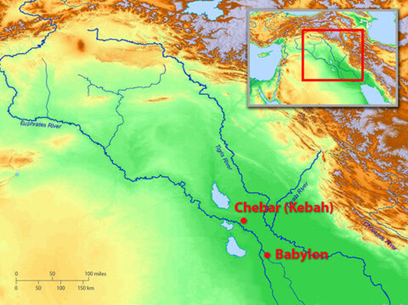
Named after its writer, Daniel’s book is a product of his time in Babylon as a Jewish exile from Israel. While still a young man, Daniel travelled to Babylon with a group of young Israelite nobles, men of promise whom the conquering power felt could be of use in service (Daniel 1:3–4). Once Daniel arrived, the leadership in Babylon renamed him Belteshazzar in an effort to more closely identify him with his new home (1:7). Daniel lived there throughout the Jews’ seventy-year captivity (1:21; 9:2), eventually rising to become one of only three administrators over the provincial governors throughout the kingdom (6:1).

Daniel recorded his experiences and prophecies for the Jewish exiles during his time in the Babylonian capital, where his service to the king gave him privileged access to the highest levels of society. His faithful service to the Lord in a land and culture not his own makes him unique among almost all the people of Scripture—Daniel stands as one of the only major figures in the Bible to produce a completely positive record of his actions.

Where are we?

The Babylonians exiled the group containing Daniel and his three friends—best known by their Babylonian names, Shadrach, Meshach, and Abed-nego—to the cultural center of their empire, the city of Babylon, in 605 BC. This move was part of the first of three deportations (605, 597, and 586 BC) carried out by the Babylonians in Israel after they subdued Jerusalem and the unfaithful King Jehoiakim (2 Kings 23:36–24:2). The teenaged Daniel found himself in the midst of a strongly polytheistic religious culture, meaning he had ample opportunities to fall into error. However, he stood firm in his faith among the Babylonian people on several significant matters—including dietary regulations and worship practices (Daniel 1:8–166:6–12).

Why is Daniel so important?

Daniel is one of the few Bible books that takes place during a period of judgment (many books foretell it and a few look back on it) and in a foreign nation. Whether it’s in the contrast between the culture’s idol worship and Daniel’s faithful purity or in the account of the arrogant Nebuchadnezzar and his humbling encounter with God, the pagan backdrop in Daniel makes the Lord’s power shine through in a magnificent and majestic way that stands out in Scripture. The book of Daniel makes it clear that the true God is the supreme ruler over heaven and earth (Daniel 4:17), even when all seems lost and the consequences of sin seem overwhelming.

What’s the big idea?

The book of Daniel stands as a unique mix in the Old Testament, for while it begins with history, it makes a strong transition at chapter 7, where it contains visions of future events significant to the Jews. In particular, Daniel 9:24–27 gives a meticulous timeline of when Israel’s Messiah would appear and the events that would follow.

In both the historical and the prophetic sections, Daniel presents a strong case for the absolute sovereignty of God, even over a multiplicity of self-absorbed foreign powers. This theme of sovereignty occurs on numerous occasions, including Daniel’s deliverance from the lions’ den, his friends’ rescue from the fiery furnace, and the future arrival of the Ancient of Days to save His people from the forces of evil (Daniel 3:23–306:19–237:9–22). 

How do I apply this?

Daniel and his God-fearing friends were forced to live in Babylon, far from home and far from the land their Lord had promised them. Later in the book, Daniel prophesied of terrible trials still to come in the Promised Land (Daniel 11:31). Whatever the trial was, though, it was always the result of sin.

Have you ever endured the weight or consequences of sin and felt as though God had left you behind, that He had stranded you in a world far from the comforts associated with home? The book of Daniel paints a portrait of how to serve God faithfully in the middle of such a world and how to persevere in hope even with no immediate solutions to the problems that get us down.

In 1873, Philip P. Bliss wrote a challenging hymn. Here are the words:

  1. Standing by a purpose true,
    Heeding God’s command,
    Honor them, the faithful few!
    All hail to Daniel’s band!
    1. Refrain:
      Dare to be a Daniel,
      Dare to stand alone!
      Dare to have a purpose firm!
      Dare to make it known.
  2. Many mighty men are lost,
    Daring not to stand,
    Who for God had been a host
    By joining Daniel’s band.
  3. Many giants, great and tall,
    Stalking through the land,
    Headlong to the earth would fall,
    If met by Daniel’s band.
  4. Hold the Gospel banner high!
    On to vict’ry grand!
    Satan and his hosts defy,
    And shout for Daniel’s band.

PRAYER: Father God, thank You for loving us and caring for us. Lord, help us to remember that You are the God of Daniel and nothing is impossible for You. Help us to stand firm and courageous as Daniel did. In the mighty and precious Name of King Jesus. Amen.