Archive for the ‘Uncategorized’ Category

NOVEMBER 12, 2022 ANOTHER LOOK AT THE ISRAELITES PART TWO #30 2 CHRONICLES 28:1 – 27 “FOR A BAD TIME, CALL KING AHAZ!”

November 12, 2022

2 Chronicles 28:1 – 27 Ahaz Reigns in Judah (2 Kings 16:1-9)

Ahaz was twenty years old when he became king, and he reigned in Jerusalem sixteen years. And unlike David his father, he did not do what was right in the eyes of the LORD. Instead, he walked in the ways of the kings of Israel and even made cast images of the Baals.

Moreover, Ahaz burned incense in the Valley of Hinnom and sacrificed his sons in the fire, according to the abominations of the nations that the LORD had driven out before the Israelites. And he sacrificed and burned incense on the high places, on the hills, and under every green tree.

Aram (Syria) Defeats Judah (Isaiah 1:1-9)

So the LORD his God delivered Ahaz into the hand of the king of Aram, (Syria) who attacked him and took many captives to Damascus.

Ahaz was also delivered into the hand of the king of Israel, who struck him with great force. For in one day Pekah son of Remaliah killed 120,000 valiant men in Judah. This happened because they had forsaken the LORD, the God of their fathers. Zichri, a mighty man of Ephraim, killed Maaseiah the son of the king, Azrikam the governor of the palace, and Elkanah the second to the king. Then the Israelites took 200,000 captives from their kinsmen—women, sons, and daughters. They also carried off a great deal of plunder and brought it to Samaria.

But a prophet of the LORD named Oded was there, and he went out to meet the army that returned to Samaria. “Look,” he said to them, “because of His wrath against Judah, the LORD, the God of your fathers, has delivered them into your hands. But you have slaughtered them in a rage that reaches up to heaven. And now you intend to reduce to slavery the men and women of Judah and Jerusalem. But are you not also guilty before the LORD your God? Now therefore, listen to me and return the captives you took from your kinsmen, for the fierce anger of the LORD is upon you.” Then some of the leaders of the Ephraimites —Azariah son of Jehohanan, Berechiah son of Meshillemoth, Jehizkiah son of Shallum, and Amasa son of Hadlai—stood in opposition to those arriving from the war. “You must not bring the captives here,” they said, “for you are proposing to bring guilt upon us from the LORD and to add to our sins and our guilt. For our guilt is great, and fierce anger is upon Israel.”

So the armed men left the captives and the plunder before the leaders and all the assembly. Then the men who were designated by name arose, took charge of the captives, and provided from the plunder clothing for the naked. They clothed them, gave them sandals and food and drink, anointed their wounds, and put all the feeble on donkeys. So they brought them to Jericho, the City of Palms, to their brothers. Then they returned to Samaria.

The Idolatry of Ahaz (2 Kings 16:10-20; Amos 1:1-5)

At that time King Ahaz sent for help from the king of Assyria. The Edomites had again come and attacked Judah and carried away captives. The Philistines had also raided the cities of the foothills and the Negev of Judah, capturing and occupying Beth-shemesh, Aijalon, and Gederoth, as well as Soco, Timnah, and Gimzo with their villages. For the LORD humbled Judah because Ahaz king of Israel had thrown off restraint in Judah and had been most unfaithful to the LORD.

Then Tiglath-pileser king of Assyria came to Ahaz but afflicted him rather than strengthening him. Although Ahaz had taken a portion from the house of the LORD, from the royal palace, and from the princes and had presented it to the king of Assyria, it did not help him.

In the time of his distress, King Ahaz became even more unfaithful to the LORD. Since Damascus had defeated him, he sacrificed to their gods and said, “Because the gods of the kings of Aram have helped them, I will sacrifice to them that they may help me.” But these were the downfall of Ahaz and of all Israel.

Then Ahaz gathered up the articles of the house of God, cut them into pieces, shut the doors of the house of the LORD, and set up altars of his own on every street corner in Jerusalem. In every city of Judah he built high places to offer incense to other gods, and so he provoked the LORD, the God of his fathers.

As for the rest of the acts of Ahaz and all his ways, from beginning to end, they are indeed written in the Book of the Kings of Judah and Israel. And Ahaz rested with his fathers and was buried in the city of Jerusalem, but he was not placed in the tombs of the kings of Israel. And his son Hezekiah reigned in his place.”

A long time ago, before internet and other forms of mass advertising, young ladies who wished to advertise their services as potential escorts or as prostitutes would write their names and phone numbers in public places. The post would always start out, “For a good time, call _________ (Name and phone number.) Had King Ahaz posted such an advertisement, it should have read, “For a BAD TIME, call King Ahaz!

Ahaz assumes the throne at age twenty and reigns until he is thirty – six. For the Judeans, even one year with Ahaz as king would be too much, and sixteen years of Ahaz as king is a nightmare! No sooner than Ahaz assumes the throne, then he is hell – bent on proving how bad he can be. Ahaz makes images of the Baals, burns incense in the valley of Hinnom, and makes live sacrifices of his little sons to Moloch. Not content with all these abominations, Ahaz burns incense on the hills, on high places, and under every green tree, thus spiritually polluting all of Judah.

Evil attracts evil, and soon the king of Syria and then the king of Israel are plundering Judah, slaughtering Judean soldiers and carrying away large numbers of captives. After those raids, the Edomites and the Philistines swoop in as well. The Israelites do return their captives to Jericho; however, they keep most of the loot. Ahaz is so confused by his demons that he cuts the articles of the house of God into pieces to get the silver and gold, shuts the doors of the temple, and then erects altars throughout Jerusalem. When the Syrians defeat Judah, Ahaz begins worshiping the Syrian gods as well. Ahaz’s most foolish decision is to request help from the Assyrians, far to the East. Until now, the Assyrians have left Judah alone; however, now they take Ahaz’s money and then raid Judah anyway.

The final indignity for Ahaz is that at his death at age thirty – six, the people of Judah bury him in Jerusalem but refuse to bury him with the kings. This refusal to honor Ahaz as a king in his death is the only means the Judeans have to express their feelings about Ahaz, and their feelings are clear!

APPLICATION: Recently in our hospital, an elderly man who had been a fetish priest his entire life repented and became a Jesus follower. The man urged other family members to follow Jesus and to burn the fetishes; however, his sons obviously felt that their father was an old fool and that they could somehow control the demons. Newsflash: YOU DON’T CONTROL DEMONS! THEY CONTROL YOU!

The longer Ahaz served the Baals, Moloch, Asherah, Marduk, etc., the more confused he became. Satan will use you until he has gotten everything he can from you, and then he will destroy you. What is ironic is that Ahaz was simply doing publicly what many of the Judeans may have been doing in secret. It’s likely that Ahaz was so bad that these closet idol worshipers were pointing to him and assuring themselves that THEY were never as bad as King Ahaz.

It is amazing but sad that Ahaz would turn to every other idol but refuse to worship the God of Israel, the One True Living God who was actually the only Source of help and hope. Not content with turning his back on God, Ahaz even desecrated the temple by cutting up the temple implements Solomon had created and then locking the doors of the temple so nobody else could worship God there either. What a waste of leadership!

These days, there are all kinds of television programs focusing on ancient aliens and paranormal phenomena. Many of these programs seem to represent a search for a god who is not the Living God. Humans are created with a need to worship something or someone, even if they refuse to worship the God who has created them. Long ago, God through Jeremiah described the foolishness of such people: “For my people have committed two evils: they have forsaken Me, the Fountain of living waters, and they have hewn for themselves cisterns, broken cisterns which cannot hold water.” (Jeremiah 2:13)  

The lesson for us from King Ahaz is clear: Don’t mess with demons! Anything that is not of the One True Living God should be left alone. One acquaintance did his doctoral thesis work by becoming a traditional diviner for a nearby tribe. This man became spiritually confused and his perception was blunted, even though he was an ordained minister. Friends also told us of two young men who came to northern Ghana to start an evangelistic work. Despite repeated warnings, these men insisted on visiting a very evil shrine and going through all the rituals, including stripping naked to enter the inner part of the shrine. The deleterious influence of that shrine was so powerful that these men never succeeded in their mission and returned to their home country.

God is not to be mocked or trifled with! God is to be worshiped. This same God loved us so much that He sent His only Son to die as a man for the sins of the world. Why look anywhere else? Why not worship the Maker of the Universe, the Creator of light and life?

PRAYER: Father God, thank You for loving us and for caring for us. Lord, help us to worship and praise You as we should. Help us to love You and serve You and nobody else all of our lives. In the matchless Name of King Jesus. Amen.

NOVEMBER 11, 2022 ANOTHER LOOK AT THE ISRAELITES PART TWO # 29 2 CHRONICLES 27:1 – 9 SPIRITUAL ARMOR – DON’T LEAVE HOME WITHOUT IT!

November 11, 2022

2 Chronicles 27:1 – 9 Jotham Reigns in Judah (2 Kings 15:32-38)

“Jotham was twenty-five years old when he became king, and he reigned in Jerusalem sixteen years. His mother’s name was Jerushah daughter of Zadok. And he did what was right in the eyes of the LORD, just as his father Uzziah had done. In addition, he did not enter the temple of the LORD. But the people still behaved corruptly.

Jotham rebuilt the Upper Gate of the house of the LORD, and he worked extensively on the wall at Ophel. He also built cities in the hill country of Judah and fortresses and towers in the forests.

Jotham waged war against the king of the Ammonites and defeated them, and that year they gave him a hundred talents of silver, ten thousand cors of wheat, and ten thousand cors of barley. They paid him the same in the second and third years. So Jotham grew powerful because he ordered his ways before the LORD his God.

As for the rest of the acts of Jotham, along with all his wars and his ways, they are indeed written in the Book of the Kings of Israel and Judah. He was twenty-five years old when he became king, and he reigned in Jerusalem sixteen years. And Jotham rested with his fathers and was buried in the City of David. And his son Ahaz reigned in his place.” (100 talents is approximately 3.77 tons or 3.42 metric tons of silver. 10,000 cors is approximately 62,400 bushels or 2.2 million liters (probably about 1,920 tons or 1,740 metric tons of wheat). 10,000 cors is approximately 62,400 bushels or 2.2 million liters (probably about 1,450 tons or 1,315 metric tons of barley.)

King Jotham was a good man and careful to follow the Lord in everything he did. 2 Kings 15:34 – 35 tells us, “He did right in the Lord’s sight, according to all his father Uzziah had done. Yet the high places were not removed; the people sacrificed and burned incense still on the high places.” Once more, those high places are drawing fetish worshipers to them!

Jehoshaphat did away with the Asherah poles and high places devoted to Asherah; however, he left many other high places alone. Jehoshaphat’s son, wicked King Jehoram, built new high places and involved the Judeans in every kind of idolatry. Subsequent kings compromised themselves spiritually. Uzziah made a promising start; however, his life ended in tragedy and disgrace when God struck him with leprosy for violating the temple. While Jotham personally honored the Lord, evidently, he left the high places alone.

APPICATION: Why didn’t Jotham do anything about the high places? Perhaps Jotham was unsure of himself, fearing that if he tackled the high places, his subjects would depose him and even assassinate him. Perhaps Jotham hoped that if he set a good example, the citizens of Judah would follow his lead. But the citizens of Judah weren’t paying any attention to King Jotham. Evil must always be confronted! When we fail to confront evil, it simply multiplies. Jotham never confronted the evil in his kingdom, but left it alone, allowing it to grow.

I follow some of the comics on an on – line web site. Recently, several comics have attempted to portray witches as cute and entertaining. But a disturbing number of comics have made graphic references to witches eating children, as if this practice was humorous. It appears that Satan is trying to gradually numb us spiritually so that we will accept this horrific practice. People are already accepting zombies and vampires as entertaining and funny, never mind their actual natures. For those of us who have witnessed the results of full – bore witchcraft first – hand, there is nothing cute or humorous about evil!

We used to live in a part of Northern Ghana where Christian parents had to carefully guard what their children ate. Why? In that area, it was common for witches and wizards to attempt to steal a child’s future by feeding them specially cursed food. In that town children roamed freely, making it simple for unscrupulous evil doers to practice enchantments on them. In that same town, fetish worshipers would put out food for the “gods” twice a week. We could tell when the food had been offered because the vultures could be seen swarming over the offering site.

Today, evil is everywhere. Video games, videos, online websites – never before have there been so many different ways to access evil. How can we prepare to confront evil? Ephesians 6:10 – 17 gives us the answer. “Finally, be strong in the Lord and in His mighty power. Put on the full armor of God, so that you can make your stand against the devil’s schemes. For our struggle is not against flesh and blood, but against the rulers, against the authorities, against the powers of this world’s darkness, and against the spiritual forces of evil in the heavenly realms.

Therefore take up the full armor of God, so that when the day of evil comes, you will be able to stand your ground, and having done everything, to stand. Stand firm then, with the belt of truth buckled around your waist, with the breastplate of righteousness arrayed, and with your feet fitted with the readiness of the gospel of peace. In addition to all this, take up the shield of faith, with which you can extinguish all the flaming arrows of the evil one. And take the helmet of salvation and the sword of the Spirit, which is the word of God.

Pray in the Spirit at all times, with every kind of prayer and petition. To this end, stay alert with all perseverance in your prayers for all the saints.”

King Jotham was a righteous man, but he was not an influential one. Jotham’s failure to tackle the evil in the kingdom of Judah left his kingdom worse off spiritually. And as we will learn in 2 Chronicles 28, Jotham also filed to teach his son Ahaz to fear the Lord, guaranteeing that Judah would continue to slide spiritually. May we take courage from the Lord to confront the evil surrounding us, trusting that God will guide us!

PRAYER: Father God, thank You for loving us and for caring for us. Lord, the evil surrounding us seems nearly overwhelming, but You have promised that “when the Enemy comes in like a flood, You will raise up a standard.” (Isaiah 54:17) Help us to trust in You and to confront the evil in our situations, knowing that You are always with us to help us. In the mighty and precious Name of King Jesus. Amen.

NOVEMBER 10, 2022 ANOTHER LOOK AT THE ISRAELITES PART TWO #28 2 CHRONICLES 26:1 – 23 UZZIAH STARTS OFF WELL AND THEN HIS PRIDE BETRAYS HIM! A CAUTIONARY TALE FOR SENIORS.

November 10, 2022

2 Chronicles 26:1 – 23 Uzziah Reigns in Judah (2 Kings 14:21, 22; 2 Kings 15:1-7)

All the people of Judah took Uzziah, who was sixteen years old, and made him king in place of his father Amaziah. Uzziah was the one who rebuilt Eloth and restored it to Judah after King Amaziah rested with his fathers.

Uzziah was sixteen years old when he became king, and he reigned in Jerusalem fifty-two years. His mother’s name was Jecoliah; she was from Jerusalem. And he did what was right in the eyes of the LORD, just as his father Amaziah had done. He sought God throughout the days of Zechariah, who instructed him in the fear of God. And as long as he sought the LORD, God gave him success.

Uzziah went out to wage war against the Philistines, and he tore down the walls of Gath, Jabneh, and Ashdod. Then he built cities near Ashdod and among the Philistines. God helped him against the Philistines, against the Arabs living in Gur-baal, and against the Meunites. The Ammonites brought tribute to Uzziah, and his fame spread as far as the border of Egypt, for he had become exceedingly powerful.

Uzziah built towers in Jerusalem at the Corner Gate, the Valley Gate, and the angle in the wall, and he fortified them. Since he had much livestock in the foothills and in the plain, he built towers in the desert and dug many cisterns. And since he was a lover of the soil, he had farmers and vinedressers in the hill country and in the fertile fields.

Uzziah had an army ready for battle that went out to war by assigned divisions, as recorded by Jeiel the scribe and Maaseiah the officer under the direction of Hananiah, one of the royal officers. The total number of family leaders of the mighty men of valor was 2,600. Under their authority was an army of 307,500 trained for war, a powerful force to support the king against his enemies. Uzziah supplied the entire army with shields, spears, helmets, armor, bows, and slingstones. And in Jerusalem he made skillfully designed devices to shoot arrows and catapult large stones from the towers and corners. So his fame spread far and wide, for he was marvelously helped until he became powerful.

But when Uzziah grew powerful, his arrogance led to his own destruction. He was unfaithful to the LORD his God, for he entered the temple of the LORD to burn incense on the altar of incense. Then Azariah the priest, along with eighty brave priests of the LORD, went in after him. They took their stand against King Uzziah and said, “Uzziah, you have no right to offer incense to the LORD. Only the priests, the descendants of Aaron, are consecrated to burn incense. Leave the sanctuary, for you have acted unfaithfully; you will not receive honor from the LORD God.”

Uzziah, with a censer in his hand to offer incense, was enraged. But while he raged against the priests in their presence in the house of the LORD before the altar of incense, leprosy broke out on his forehead. When Azariah the chief priest and all the priests turned to him and saw his leprous forehead, they rushed him out. Indeed, he himself hurried to get out, because the LORD had afflicted him.

So King Uzziah was a leper until the day of his death. He lived in isolation, leprous and cut off from the house of the LORD, while his son Jotham had charge of the royal palace to govern the people of the land.

As for the rest of the acts of Uzziah, from beginning to end, they are recorded by the prophet Isaiah son of Amoz. And Uzziah rested with his fathers and was buried near them in the field of burial which belonged to the kings; for the people said, “He was a leper.” And his son Jotham reigned in his place.”

Consider Uzziah. King Uzziah ascended to the throne at the age of sixteen and ruled for fifty – two years. In the beginning, Uzziah was under the tutelage of Zechariah, who instructed him in the fear of God. Uzziah did well for decades, conquering the Philistines tearing down their cities, and building new cities in their territory. Uzziah rebuilt Eloth on the Red Sea and strengthened the walls of Jerusalem by building new towers. 

Uzziah was a farmer at heart and had extensive agricultural holdings extending even into the desert. To provide water for these farms and vineyards, Uzziah constructed towers in the desert and many cisterns. Uzziah was also a brilliant military man and an innovator, constructing what might have been the first catapults for military use. Uzziah’s army was highly organized, well disciplined, and well equipped.

Things were going very well for Uzziah until he was in his sixties and let his pride get the better of him. For some reason, Uzziah decided that he didn’t need the priests but that he could be his own priest. Flushed with all his successes, Uzziah forced his way into the temple, intending to burn incense on the altar of incense, a duty reserved for the priests and no one else. When the priests confronted Uzziah, he refused to leave and erupted in a rage until suddenly sores broke out on Uzziah’s forehead where everyone could see it. As soon as the leprous sores appeared, the priests told Uzziah and rushed him out of the temple.

No leper was allowed to enter the temple under any circumstances; in addition, lepers were social outcasts. Uzziah went from being a proud ruler flaunting his power to a leprous has – been forced to spend the remainder of his life in isolation. Uzziah’s son Jotham had to assume rulership, and when Uzziah died, he could not even be buried in the kings’ tombs but only could be buried near them because of his leprosy. Truly, Uzziah’s pride and rebellion ruined his life!

APPLICATION: Uzziah was an amazing man. The prophet Isaiah begins his description of God’s call on his life by dating it to the year in which Uzziah died. Most of Uzziah’s reign, he did extremely well. But power can be very corrosive and twist the best of people into warped caricatures of themselves. Why else would someone who began by fearing the Lord wind up forcing his way into the inner part of the temple to burn incense on the altar of incense?

Why would Uzziah want to burn incense on the altar of incense in the first place? This altar was situated just outside the veil that screened the ark of the Testimony before the mercy seat. The high priest was to burn incense on this altar twice a day when he trimmed and filled the lamps. This altar was most holy to the Lord. (Exodus 30:1 – 10) Only certain priests were allowed to burn incense on this altar as God had commanded Moses. Even the most pagan of Israelite kings had never made such a demand before.

Uzziah’s inexplicable breach of holy practice suggests that he might have been locked in a power struggle with the priests. Perhaps Uzziah was oppressing the poor or doing something else that caused the priests to try to correct him. In such a case, Uzziah might attempt to demonstrate that he was as powerful as the priests. Had Uzziah put down his censor and left the temple as soon as the priests tried to stop him, he might have survived unscathed. But Uzziah sealed his fate by refusing to leave and raging against the priests. Was Uzziah drunk? As Uzziah exploded in anger, leprosy erupted on his forehead, immediately making him an outcast for the rest of his life. God Himself acted to prevent Uzziah from ever entering the temple again since lepers were barred from the temple.

Many times we throw around the term “the fear of the Lord” without understanding what that actually means. Galatians 6: 7 tells us, “Be not deceived; God will not allow himself to be sneered at. For whatever a man sows, that is what he will reap.” It is true that God is patient and that He wants all people to repent; however, there is a point of no return for each of us, individually and collectively. C. S. Lewis tells us that at some point, either we tell God “Thy will be done,” or God will tell us “thy will be done,” indicating that we have rejected God and He is honoring our tragic choice.

How did Uzziah feel as he languished in some remote corner of the palace, cut off from his family and friends for the rest of his life with servants veiling themselves and sliding trays of food just inside the door to his chambers? Remember, lepers were untouchables. For the remainder of Uzziah’s life, he had to live without any human touch whatsoever, a major sensory deprivation. Uzziah’s sins of arrogance and rebellion brought a bitter end to what had previously been a glittering career as king. Did Uzziah repent and beg God’s forgiveness? One can only hope so.

Notice that Uzziah fell into sin when he was older, not when he was a teen – aged king. One of the temptations lurking for all of us as we age is the tendency to assume that our years have given us some special wisdom and power. But sadly, there are just as many foolish older people as there are foolish young people. Moses prayed in Psalm 90:12 “So teach us to number our days, that we may get us a heart of wisdom.” If Moses, who walked with God and who saw God more clearly than most of us, felt this need, we too should pray for wisdom as we age.

The lesson is clear: Fear and respect God. Remember that all power, all authority, all success in any endeavor, comes from God and that we are not self – made people, no matter how much we think so. A popular worship chorus says, “Humble yourself in the sight of the Lord and He will lift you up.” Let us humble ourselves and worship God, the only one truly worthy of worship!

PRAYER: Father God, thank You for loving us and for caring for us. Lord, help us to realize that everything good comes from You and that You are our Source of light and life. Thank You for all the times You have empowered us to achieve. Help us to remember that You are the Source of those achievements. Teach us to number our days, that we might get hearts of wisdom. In the mighty and precious name of King Jesus. Amen.

NOVEMBER 9, 2022 ANOTHER LOOK AT THE ISRAELITES PART TWO #27 2 CHRONICLES 25:1 – 28 SENSELESS BATTLES ARE AS STUPID AS BEATING BEE HIVES WITH A STICK!

November 9, 2022

2 Chronicles 25:1 – 28 Amaziah Reigns in Judah (2 Kings 14:1-7)

“Amaziah was twenty-five years old when he became king, and he reigned in Jerusalem twenty-nine years. His mother’s name was Jehoaddan; she was from Jerusalem. And he did what was right in the eyes of the LORD, but not wholeheartedly.

As soon as the kingdom was firmly in his grasp, Amaziah executed the servants who had murdered his father the king. Yet he did not put their sons to death, according to what is written in the Law, in the Book of Moses, where the LORD commanded: “Fathers must not be put to death for their children, and children must not be put to death for their fathers; each is to die for his own sin.”

Amaziah’s Victories

Then Amaziah gathered the people of Judah and assigned them according to their families to commanders of thousands and of hundreds. And he numbered those twenty years of age or older throughout Judah and Benjamin and found there to be 300,000 choice men, able to serve in the army, bearing the spear and shield.

He also hired 100,000 mighty warriors from Israel for a hundred talents of silver. But a man of God came to him and said, “O king, do not let the army of Israel go with you, for the LORD is not with Israel—not with any of the Ephraimites. Even if you go and fight bravely in battle, God will make you stumble before the enemy, for God has power to help and power to overthrow.”

Amaziah asked the man of God, “What should I do about the hundred talents I have given to the army of Israel?”

And the man of God replied, “The LORD is able to give you much more than this.”

So Amaziah dismissed the troops who had come to him from Ephraim and sent them home. And they were furious with Judah and returned home in great anger.

Amaziah, however, summoned his strength and led his troops to the Valley of Salt, where he struck down 10,000 men of Seir, and the army of Judah also captured 10,000 men alive. They took them to the top of a cliff and threw them down so that all were dashed to pieces.

Meanwhile the troops that Amaziah had dismissed from battle raided the cities of Judah, from Samaria to Beth-horon. They struck down 3,000 people and carried off a great deal of plunder.

Amaziah Rebuked for Idolatry When Amaziah returned from the slaughter of the Edomites, he brought back the gods of the Seirites, set them up as his own gods, bowed before them, and burned sacrifices to them. Therefore the anger of the LORD burned against Amaziah, and He sent him a prophet, who said, “Why have you sought this people’s gods, which could not deliver them from your hand?”

While he was still speaking, the king asked, “Have we made you the counselor to the king? Stop! Why be struck down?” So the prophet stopped, but he said, “I know that God has determined to destroy you, because you have done this and have not heeded my advice.”

Jehoash Defeates Amaziah (2 Kings 14:8-14)

Then Amaziah king of Judah took counsel and sent word to the king of Israel Jehoash son of Jehoahaz, the son of Jehu. “Come, let us meet face to face,” he said. But Jehoash king of Israel replied to Amaziah king of Judah: “A thistle in Lebanon sent a message to a cedar in Lebanon, saying, ‘Give your daughter to my son in marriage.’ Then a wild beast in Lebanon came along and trampled the thistle. You have said, ‘Look, I have defeated Edom,’ and your heart has become proud and boastful. Now stay at home. Why should you stir up trouble so that you fall—you and Judah with you?”

But Amaziah would not listen, for this had come from God in order to deliver them into the hand of Jehoash, because they had sought the gods of Edom. So Jehoash king of Israel advanced, and he and Amaziah king of Judah faced one another at Beth-shemesh in Judah. And Judah was routed before Israel, and every man fled to his own home.

There at Beth-shemesh, Jehoash king of Israel captured Amaziah king of Judah, the son of Joash, the son of Jehoahaz.Then Jehoash brought him to Jerusalem and broke down the wall of Jerusalem from the Ephraim Gate to the Corner Gate—a section of four hundred cubits. He took all the gold and silver and all the articles found in the house of God with Obed-edom and in the treasuries of the royal palace, as well as some hostages. Then he returned to Samaria.

The Death of Amaziah (2 Kings 14:17-20)

Amaziah son of Joash king of Judah lived for fifteen years after the death of Jehoash son of Jehoahaz king of Israel. As for the rest of the acts of Amaziah, from beginning to end, are they not written in the Book of the Kings of Judah and Israel? From the time that Amaziah turned from following the LORD, a conspiracy was formed against him in Jerusalem, and he fled to Lachish. But men were sent after him to Lachish, and they killed him there. They carried him back on horses and buried him with his fathers in the city of Judah.”

Amaziah is the son of King Joash, the grandson of King Ahaziah, and a great, great grandson of King Ahab…. And it shows! Studying this “royal” line makes depressing business! There isn’t a man of faith in the entire bunch. Joash, Amaziah’s father, only acted righteously as long as his mentor Jehoiada, the high priest, was alive. But as soon as Jehoiada died, Joash plunged into idolatry at the urging of the elders of Judah. When Jehoiada’s son Zakariah attempted to correct Joash, Joash proceeded to have him stoned in the temple courtyard, thus committing the double sins of murder and abomination in the temple. Joash became so evil that two of his own servants finally finished him off while he was recovering from war wounds. The citizens of Jerusalem refused to bury Joash with the kings, burying him somewhere else in Jerusalem.

Amaziah wants to distinguish himself by going to war and decides to make war on Edom, despite the fact that Edom has not threatened Judah. Amaziah has an army of 300,000 men but wants to beef up his forces by hiring 100,000 warriors from Israel at a staggering cost of 100 talents of silver. 100 talents is approximately 3.77 tons or 3.42 metric tons of silver. When a man of God warns Amaziah to have nothing to do with the Israelite soldiers, Amaziah whines because he has already paid them, but sends them back. The Israelites retaliate by raiding all the way back to Samaria.

Amaziah defeats the Edomites, but then proceeds to collect their idols and bring them back to worship them. When another prophet confronts Amaziah, warning him against idol worship, Amaziah refuses to listen and threatens to kill him. The prophet stops but warns Amaziah that God wants to destroy him for his faithlessness.

Next, Amaziah, puffed up with pride from defeating 20,000 Edomites, sends threats of war to Jehoash, the king of Israel. Jehoash sends back a warning clothed in a parable, but Amaziah isn’t listening. Now Amaziah wants to fight the same doughty warriors he tried to hire earlier. Is this guy crazy or what? Jehoash defeats Amaziah, capturing him and carrying him back to Jerusalem, where Jehoash breaks down part of the walls of Jerusalem in a show of force.

Even though Amaziah outlives Jehoash by fifteen years, he still winds up being killed by his own citizens. While many of the elders of Judah have embraced idols, there are others who still worship the One True Living God. Once Amaziah turns his back on God, a conspiracy forms against him. Eventually, Amaziah tries to flee to Lachish for safety; however, men faithful to God pursue him and kill him there. Amaziah is buried “with his fathers in the city of Judah,” presumably with the kings.

APPLICATION: When my mother was four years old, she visited her grandparents on their farm. While her grandparents warned her not to bother the bees, nobody bothered to explain that those fascinating boxes behind the barn were the bee hives. Bored with adult conversation, my mother wandered out behind the barn and saw the row of bee boxes. Picking up a stick, my mother gleefully ran up and down the row of boxes, hitting each box with the stick and making a wonderful noise. The next noise, however, was terrifying! Suddenly my mother was engulfed in a cloud of angry bees!

My mother was only four years old and nobody had given her sufficient information to keep her safe. King Amaziah, on the other hand is an adult in his late twenties who wants to make a name for himself as a warrior. Amaziah succeeds, alright, but not in the way he has hoped. Amaziah attacks the Edomites, killing 20,000 of them. There is nothing to indicate that the Edomites have posed any threat to Amaziah; moreover, Amaziah is foolish enough to bring back their idols and worship the very gods that have failed to protect them. Amaziah fails to realize that God is the One who has given him victory.

Next, Amaziah decides to pick a fight with Jehoash, king of Israel for no reason. Jehoash is brighter at military affairs than Amaziah and warns Amaziah to stay home, but Amaziah is pig – headed and refuses to listen to sage advice. This military campaign results in total disaster. Jehoash captures Amaziah and carries him back to Jerusalem, where he destroys a large part of the city wall as a sign of his might and loots Jerusalem. Amaziah eventually outlives Jehoash by fifteen years but is such a wretched king that his own citizens kill him.

Amaziah serves as a terrible example of what happens when we wander away from God and try to do everything ourselves. Amaziah’s story should stand as a reminder to avoid senseless controversies. Proverbs 26:17 tells us, “Interfering in someone else’s argument is as foolish as yanking a dog’s ears.” Amaziah is definitely an ear – yanker!

How can we know when to intervene and when to keep still? There are three tests: 1. Does this matter involve us, our families, or even our country? 2. Are Biblical standards being violated? 3. What does God want us to do? There are times when we should leave things alone; however, there are also times when we must speak out and also pray, realizing that we may suffer in the process. May God help us to know when to speak out and to speak out firmly and clearly when necessary!

PRAYER: Father God, thank You for loving us and for caring for us. Lord, help us to be wise enough to avoid senseless quarrels but to speak out when Your Word and Your Commands are being violated. In the mighty and precious Name of King Jesus. Amen.  
NOVEMBER 8, 2022 ANOTHER LOOK AT THE ISRAELITES PART TWO #26 2 CHRONICLES 24:1 – 27 CHARACTER IS WHAT YOU ARE WHEN NOBODY IS LOOKING – JOASH FAILS THE CHARACTER TEST!

November 8, 2022

2 Chronicles 24 Joash Repairs the Temple (2 Kings 12:1-16) 2 Chronicles 24:1 – 27 “Joash was seven years old when he became king, and he reigned in Jerusalem forty years. His mother’s name was Zibiah; she was from Beersheba. And Joash did what was right in the eyes of the LORD all the days of Jehoiada the priest. Jehoiada took for himself two wives, and he had sons and daughters.

Some time later, Joash set his heart on repairing the house of the LORD. So he gathered the priests and Levites and said, “Go out to the cities of Judah and collect the money due annually from all Israel, to repair the house of your God. Do it quickly.”

The Levites, however, did not make haste. So the king called Jehoiada the high priest and said, “Why have you not required the Levites to bring from Judah and Jerusalem the tax imposed by Moses the servant of the LORD and by the assembly of Israel for the Tent of the Testimony?”

For the sons of that wicked woman Athaliah had broken into the house of God and had even used the sacred objects of the house of the LORD for the Baals.

At the king’s command a chest was made and placed outside, at the gate of the house of the LORD. And a proclamation was issued in Judah and Jerusalem that they were to bring to the LORD the tax imposed by Moses the servant of God on Israel in the wilderness. All the officers and all the people rejoiced and brought their contributions, and they dropped them in the chest until it was full.

Whenever the chest was brought by the Levites to the king’s overseers and they saw that there was a large amount of money, the royal scribe and the officer of the high priest would come and empty the chest and carry it back to its place. They did this daily and gathered the money in abundance. Then the king and Jehoiada would give the money to those who supervised the labor on the house of the LORD to hire stonecutters and carpenters to restore the house of the LORD, as well as workers in iron and bronze to repair the house of the LORD.

So the workmen labored, and in their hands the repair work progressed. They restored the house of God according to its specifications, and they reinforced it. When they were finished, they brought the rest of the money to the king and Jehoiada to make with it the articles for the house of the LORD—utensils for the service and for the burnt offerings, dishes, and other objects of gold and silver. Throughout the days of Jehoiada, burnt offerings were presented regularly in the house of the LORD.

Jehoiada’s Death and Burial

When Jehoiada was old and full of years, he died at the age of 130. And Jehoiada was buried with the kings in the City of David, because he had done what was good in Israel for God and His temple.

The Wickedness of Joash

After the death of Jehoiada, however, the officials of Judah came and paid homage to the king, and he listened to them. They abandoned the house of the LORD, the God of their fathers, and served the Asherah poles and idols. So wrath came upon Judah and Jerusalem for this guilt of theirs. Nevertheless, the LORD sent prophets to bring the people back to Him and to testify against them; but they would not listen.

Then the Spirit of God came upon Zechariah son of Jehoiada the priest, who stood up before the people and said to them, “This is what God says: ‘Why do you transgress the commandments of the LORD so that you cannot prosper? Because you have forsaken the LORD, He has forsaken you.’”

But they conspired against Zechariah, and by order of the king, they stoned him in the courtyard of the house of the LORD.

Thus King Joash failed to remember the kindness that Zechariah’s father Jehoiada had extended to him. Instead, Joash killed Jehoiada’s son. As he lay dying, Zechariah said, “May the LORD see this and call you to account.”

The Death of Joash (2 Kings 12:17-21)

In the spring, the army of Aram went to war against Joash. They entered Judah and Jerusalem and destroyed all the leaders of the people, and they sent all the plunder to their king in Damascus. Although the Aramean army had come with only a few men, the LORD delivered into their hand a very great army. Because Judah had forsaken the LORD, the God of their fathers, judgment was executed on Joash.

And when the Arameans had withdrawn, they left Joash severely wounded. His own servants conspired against him for shedding the blood of the son of Jehoiada the priest, and they killed him on his bed. So he died and was buried in the City of David, but not in the tombs of the kings. Those who conspired against Joash were Zabad son of the Ammonite woman Shimeath as well as Jehozabad son of Shimrith the Moabitess. The accounts of the sons of Joash, as well as the many pronouncements about him and about the restoration of the house of God, are indeed written in the treatise of the Book of the Kings. And his son Amaziah reigned in his place.”

King Joash makes a very hopeful beginning. As long as Jehoiada, the high priest who has brought Joash to power, is alive, Joash does great things, repairing the temple and supporting worship services. But Jehoiada is already old when he arranges for Joash to be crowned as king. After Jehoiada dies at the age of 130, the rulers of Judah come to Joash. Evidently, enthusiasm for the One True Living God has cooled in Judah, and now all these rulers want is to return to Asherah worship with its sexual rituals and other foul practices. Flattered, Joash goes right along with the crowd, turning his back on the God who has crowned him as king. When Jehoiada’s son Zechariah tries to correct Joash, Joash has him stoned in the courtyard of the house of the Lord, thus grossly violating the temple premises. As Zechariah lays dying, he pronounces a final judgement on Joash: “May the LORD see this and call you to account.”

It doesn’t take long for God’s retribution to strike. The next spring, a tiny army of Syrians attacks Jerusalem, overcoming a much larger army, and conquering it. The Syrians kill all those leaders who have previously advocated a return to Asherah worship and send a great deal of plunder to Damascus. In the process, the Syrians wound Joash severely. Joash is in bed recovering when his own servants kill him for having incited the people to stone righteous Zechariah. God has even preserved the names of the two servants who murder Joash. The final indignity is that Joash is buried in the City of David, but not in the tombs of the kings; meanwhile, righteous Jehoiada has been buried with the kings “because he has done what was good in Israel for God and His temple.”

APPLICATION: If the test of character is how you behave when nobody is looking, Joash fails miserably. As long as Jehoiada is alive, Joash does well. But two seconds after Jehoiada is buried with the kings, Joash proves he is a weak man and easily swayed. The rulers of Judah also prove that they too are weak men who have only been waiting for that pestilential Jehoiada to die so that they can plunge back into ritual sex and temple prostitution with Asherah worship. Seems that all that shouting and worship at the Temple has been nothing but noise for the sake of making a good impression.

God is not deceived, neither is He mocked. God knows the human heart far better than we ever can. One of the tragedies of this story is Joash’s willingness to murder the son of the man who brought him to power, something that most pagan kings would have refused to do. Traditional loyalty even among pagans would demand that a ruler continue to assist children and even grandchildren of someone who has brought that ruler to power. This despicable lack of loyalty moves Joash’s servants to finish him off and moves the remaining leaders of Israel to refuse to bury Joash with the kings.

The obvious question for each one of us is this: how do we behave when nobody is looking? Do we remain true to our principles and beliefs, or do we immediately abandon those principles in pursuit of popularity? May God help us to remain true, no matter what!

PRAYER: Father God, thank You for loving us and for caring for us. Lord, keep us true, no matter what! In the mighty and precious Name of King Jesus. Amen.

NOVEMBER 7, 2022 ANOTHER LOOK AT THE ISRAELITES PART TWO #25 2 CHRONICLES 23:1 – 21 GOD TRIUMPHS AND A WICKED QUEEN DIES!

November 7, 2022

2 Chronicles 23:1 – 21 “Joash Anointed King of Judah (2 Kings 11:4-12)

“Then in the seventh year, Jehoiada strengthened himself and made a covenant with the commanders of hundreds—with Azariah son of Jeroham, Ishmael son of Jehohanan, Azariah son of Obed, Maaziah son of Adaiah, and Elishaphat son of Zichri. So they went throughout Judah and gathered the Levites from all the cities of Judah and the heads of the families of Israel. And when they came to Jerusalem, the whole assembly made a covenant with the king in the house of God.

“Behold, the king’s son!” said Jehoiada. “He must reign, just as the LORD promised concerning the descendants of David. This is what you are to do: A third of you priests and Levites who come on duty on the Sabbath shall keep watch at the doors, a third shall be at the royal palace, and a third at the Foundation Gate, while all the others are in the courtyards of the house of the LORD. No one is to enter the house of the LORD except the priests and those Levites who serve; they may enter because they are consecrated, but all the people are to obey the requirement of the LORD. The Levites must surround the king with weapons in hand, and anyone who enters the temple must be put to death. You must stay close to the king wherever he goes.”

So the commanders of hundreds did everything that Jehoiada the priest had ordered. Each of them took his men—those coming on duty on the Sabbath and those going off duty—for Jehoiada the priest had not released any of the divisions. Then Jehoiada the priest gave to the commanders of hundreds the spears and the large and small shields of King David that were in the house of God. He stationed all the troops, with their weapons in hand, surrounding the king by the altar and the temple, from the south side to the north side of the temple.

Then Jehoiada and his sons brought out the king’s son, put the crown on him, presented him with the Testimony, and proclaimed him king. They anointed him and shouted, “Long live the king!”

The Death of Athaliah (2 Kings 11:13-16)

When Athaliah heard the noise of the people running and cheering the king, she went out to them in the house of the LORD. And she looked out and saw the king, standing by his pillar at the entrance. The officers and trumpeters were beside the king, and all the people of the land were rejoicing and blowing trumpets, while the singers with musical instruments were leading the praises.

Then Athaliah tore her clothes and screamed, “Treason, treason!”

And Jehoiada the priest sent out the commanders of hundreds in charge of the army, saying, “Bring her out between the ranks, and put to the sword anyone who follows her.” For the priest had said, “She must not be put to death in the house of the LORD.”

So they seized Athaliah as she reached the entrance of the Horse Gate to the palace grounds, and there they put her to death.

Jehoiada Restores the Worship of the LORD (2 Kings 11:17-21)

Then Jehoiada made a covenant between himself and the king and the people that they would be the LORD’s people. So all the people went to the temple of Baal and tore it down. They smashed the altars and idols into pieces and killed Mattan the priest of Baal in front of the altars.

Moreover, Jehoiada put the oversight of the house of the LORD into the hands of the Levitical priests, whom David had appointed over the house of the LORD, to offer burnt offerings to the LORD as is written in the Law of Moses, with rejoicing and song, as ordained by David. He stationed gatekeepers at the gates of the house of the LORD, so that nothing unclean could enter for any reason.

He also took with him the commanders of hundreds, the nobles, the rulers of the people, and all the people of the land, and they brought the king down from the house of the LORD and entered the royal palace through the Upper Gate. They seated King Joash on the royal throne, and all the people of the land rejoiced. And the city was quiet, because Athaliah had been put to the sword.”

For six LONG years, the nation of Judah has groaned and suffered under the weight of wicked Queen Mother Athaliah’s rule. Daughter of Ahab and Jezebel and granddaughter of Omri, Athaliah came to full power when King Ahaziah was killed at Jezreel by Jehu. Prior to Ahaziah’s death, he was already firmly under Athaliah’s control. Athaliah is a Baal worshiper and has promoted every kind of wickedness; she has probably retained power through threats of murder by witchcraft to anyone opposing her.

Once Ahaziah died, Athaliah proceeded to assassinate all the remaining royal heirs she could find, seizing power completely. But Jehoshabeath understood Athaliah’s schemes and hid little Joash in the priest’s quarters at the temple, one place Athaliah would never touch. Jehoshabeath was the daughter of King Jehoram and Joash’s aunt; she was also married to Jehoiada, the high priest, a true servant of the Lord.

Now Joash is eight years old, and Jehoiada feels it is time to bring Joash out, crown him as king, and eliminate Queen Athaliah. Quietly, Jehoiada contacts the military commanders and brings all of the Levitical priests into Jerusalem to the temple. Next, Jehoiada brings out Joash and crowns him as king in the temple with all the assembly rejoicing, shouting, and blowing shofars and trumpets. When Athaliah hears the noise, she rushes to the temple, only to find that Joash has already been crowned as king and acknowledged as such by all the people.

Athaliah screams and tears her clothes in fury, but nobody comes to help her, and Jehoiada orders that she be removed from the temple and killed outside. Under Jehoiada’s leadership, the people tear down the temple of Baal, smashing its altars and killing Mattan, the priest of Baal. These acts break the power of Baal over the kingdom of Judah. Jehoiada restores regular worship at the temple and also secures guards for little Joash in case there are any other potential usurpers to the throne lurking in the background. After years of turmoil, peace has finally come to Jerusalem.

 APPLICATION: Proverbs 29:2 tells us that “When the Godly are in authority, the people rejoice; but when the wicked rule, are in power, they groan.” Looking at current events, we can see the truth of this observation. As of the time of this writing, England has just changed Prime Ministers, and other countries are in disarray. Vladimir Putin has committed the Russian people to an unpopular war in Ukraine.  Countries with strong righteous leadership are enjoying peace while others are suffering.

Queen Athaliah was most likely a witch as well as a Baal priestess just like her mother Jezebel. The two sides of the witchcraft coin are rebellion against God and lust for power to control everything. We rebel against God because we lust to control everything we can, forgetting that God is sovereign and omniscient while we are not. When we turn from God for our knowledge and depend on Satan, we are setting ourselves up for disaster.

Recently in our mission hospital, an elderly man who had been a fetish priest repented and repudiated his fetishes. When our chaplain spoke to his children, the chaplain realized that some of the sons still cherished the idea of becoming fetish priests themselves in hopes of gaining spiritual power. But demonic power is an evil delusion! Satan will allow people to have power for long enough for them to commit themselves fully to him while intending to destroy them when he wishes.

Jesus told his disciples in John 10:10 “The thief comes to steal, kill and to destroy, but I have come that they may have life and have it more abundantly.” Athaliah served Satan her entire life and died a shameful death as a result. While Athaliah came from a family of Baal worshipers, she still had free will to choose to serve Baal or the God of Israel. Each of us has that same choice. We can choose to serve God and let Him guide us, or we turn from God. Once we turn from God, we are serving Satan, whether or not we realize it. Today, whom will you serve? You are free to choose but realize that you are choosing for eternity.

PRAYER: Father God, thank You for loving us and for caring for us. Lord, let everyone who reads this devotional choose to serve You and only You. In the matchless Name of King Jesus. Amen.

NOVEMBER 6, 2022 ANOTHER LOOK AT THE ISRAELITES PART TWO # 24 2 CHRONICLES 22:1 -12 WHEN YOUR CHICKENS COME HOME TO ROOST, THEY MAY TURN OUT TO BE TURKEY BUZZARDS!

November 6, 2022

2 Chronicles 22:1 – 12 Ahaziah Reigns in Judah (2 Kings 8:25-29)

“Then the people of Jerusalem made Ahaziah, the youngest son of Jehoram, king in his place, since the raiders who had come into the camp with the Arabs had killed all the older sons. So Ahaziah son of Jehoram became king of Judah. Ahaziah was twenty-two years old when he became king, and he reigned in Jerusalem one year. His mother’s name was Athaliah, the granddaughter of Omri.

Ahaziah also walked in the ways of the house of Ahab, for his mother was his counselor in wickedness. And he did evil in the sight of the LORD, as the house of Ahab had done, for to his destruction they were his counselors after the death of his father.

Ahaziah also followed their counsel and went with Joram son of Ahab king of Israel to fight against Hazael king of Aram at Ramoth-gilead. But the Arameans (Syrians) wounded Joram; so he returned to Jezreel to recover from the wounds they had inflicted on him at Ramah when he fought against Hazael king of Aram (Syria.) Then Ahaziah son of Jehoram king of Judah went down to Jezreel to visit Joram son of Ahab, because Joram had been wounded. Ahaziah’s downfall came from God when he went to visit Joram. When Ahaziah arrived, he went out with Joram to meet Jehu son of Nimshi, whom the LORD had anointed to destroy the house of Ahab.

Jehu Kills the Princes of Judah (2 Kings 9:14-29)

So while Jehu was executing judgment on the house of Ahab, he found the rulers of Judah and the sons of Ahaziah’s brothers who were serving Ahaziah, and he killed them. Then Jehu looked for Ahaziah, and Jehu’s soldiers captured him while he was hiding in Samaria. So Ahaziah was brought to Jehu and put to death. They buried him, for they said, “He is the grandson of Jehoshaphat, who sought the LORD with all his heart.” So no one was left from the house of Ahaziah with the strength to rule the kingdom.

Athaliah and Joash (2 Kings 11:1-3)

When Athaliah the mother of Ahaziah saw that her son was dead, she proceeded to annihilate all the royal heirs of the house of Judah. But Jehoshabeath daughter of King Jehoram took Joash son of Ahaziah and stole him away from among the sons of the king who were being murdered, and she put him and his nurse in a bedroom. Because Jehoshabeath, the daughter of King Jehoram and the wife of Jehoiada the priest, was Ahaziah’s sister, she hid Joash from Athaliah so that she could not kill him. And Joash remained hidden with them in the house of God for six years while Athaliah ruled the land.”

Spiritually, night is falling on Judah! When the raiders carried off King Jehoram’s sons, only Ahaziah escaped. The people of Jerusalem have made Ahaziah king; however, Ahaziah’s mother is Athaliah, Ahab’s daughter and Omri’s granddaughter. It is likely that Athaliah might also be Jezebel’s daughter; certainly, she behaves like it.

King Ahaziah is a wimpy twenty–two-year-old who is firmly under his mother’s control. Ahaziah takes all his advice from Athaliah and the rest of Ahab’s family. Ahaziah and King Joram of Israel join together to attack the Syrian – held city of Ramoth – gilead. This is the same city that Ahab attacked in the battle that led to his death, and this attempt also is a dismal failure. 

Joram is wounded at Ramoth – gilead and returns to Jezreel to recover. Joram’s buddy Ahaziah goes to Jezreel to visit Joram. Meanwhile, Jehu, son of Nimshi, has been divinely appointed to destroy the house of Ahab, including Joram. When Joram and Ahaziah see Jehu approaching Jezreel in his chariot, they each mount their chariots and go out to meet Jehu. Jehu and the two kings meet at the field of Naboth the Jezreelite, the man whom Jezebel had killed because Ahab lusted after his vineyard. Jehu immediately kills both kings, throwing Joram’s body out onto Naboth’s field for the dogs to eat. While Jehu and his men are killing Joram, they also kill Ahaziah. The only concession made to Ahaziah’s position is that his body is buried out of respect for Jehoshaphat, his father.

With Ahaziah out of the way, Athaliah proceeds to eliminate as many of the royal heirs to the throne of Judah as possible; however, one boy escapes her murderous intent. Ahaziah’s daughter Jehoshabeath, is a righteous woman married to Jehoiada the priest, and she takes little Joash and hides him in the priests’ quarters in the temple for six long years while Athaliah turns Judah into an idol – worshiping disaster area.  

APPLICATION: Once more, the royal family of Judah is suffering because a righteous man made a lousy decision without praying about it first. Two generations earlier, Jehoshaphat could have married a virtuous believing woman; instead, he married one of wicked Ahab’s daughters with disastrous results. Jehoshaphat was probably only attempting to neutralize Israel and prevent Ahab from attacking Judah; however, Jehoshaphat wound up heavily involved in the affairs of Israel.

While Jehoshaphat was sending teachers of the Law throughout Judah, his idolatrous wife was schooling his children in Baal worship. While Jehoshaphat was tearing down Asherah poles and removing those high places, he left other high places alone, perhaps at the behest of his idolatrous wife.  Jehoshaphat’s final bad decision was to name his oldest son Jehoram as his successor, even though there were other sons of far better character who would have ruled righteously. God was so unhappy with Jehoshaphat’s decisions that He sent two different prophets to rebuke Jehoshaphat.

Following Jehoshaphat’s example, Jehoram also married one of Ahab’s daughters, one of his aunts, a relationship that likely contravened the Law of Moses. Jehoram’s wife Athaliah turned out to be just as evil as her mother Jezebel. The amazing thing is that out of this mess there was one righteous woman.  Jehoshabeath, Jehoshaphat’s granddaughter, was a believer married to Jehoiada, the high priest. The name Jehoshabeath means “the oath of Jehovah,” and this woman was a great lady who risked her life to save little Joash from Athaliah’s assassins. Jehoshabeath

What can we learn from all of this? We must choose very carefully when considering marriage! We are never merely marrying one person; we are marrying into a family, and we must closely examine that family before committing our lives to it. It is a sad mistake to assume that we will be the ones to have the major influence on our children. Accidents and sudden illnesses can sweep us away, leaving our children to be raised by others.

When seeking a wife, Jehoshaphat behaved no differently from his pagan neighbors; he only thought about diplomacy and military alliances. This righteous man whose faith stood firm in the face of attack from an overwhelming army trusted his own judgement rather than asking God for guidance. The results of that bad decision would blight the throne of Judah for generations.

How many of us make similar mistakes? We trust our own judgement when it suits us and then beg God for help and guidance when our “common sense” fails us. Many times, we trust more in “self – help” books or advice we pull from the internet or from podcasts than we do in God. We will never know how many times God tried to get Jehoshaphat to marry a virtuous girl, rather than one of Ahab’s daughters. Let us learn from Jehoshaphat’s tragic mistakes and allow God to guide us at all times.

PRAYER: Father God, thank You for loving us and for caring for us. Lord, help us to trust that You know our needs far better than we do and that You have our best interests at heart. Let us go to You first for guidance, rather than waiting until we have created messes. In the mighty and precious Name of King Jesus. Amen.

NOVEMBER 5, 2022 ANOTHER LOOK AT THE ISRAELITES PART 2 #23 2 CHRONICLES 21:1 –20 JEHOSHAPHAT’S BAD MARRIAGE DECISION BLIGHTS HIS FAMILY AND ALL OF JUDAH!

November 5, 2022

2 Chronicles 21:1 – Jehoram Reigns in Judah (2 Kings 8:16-19)

Then Jehoshaphat rested with his fathers and was buried with them in the City of David. And his son Jehoram reigned in his place.

Jehoram’s brothers, the sons of Jehoshaphat, were Azariah, Jehiel, Zechariah, Azariah, Michael, and Shephatiah; these were all sons of Jehoshaphat king of Israel. Their father had given them many gifts of silver and gold and precious things, as well as the fortified cities in Judah; but he gave the kingdom to Jehoram because he was the firstborn.

When Jehoram had established himself over his father’s kingdom, he strengthened himself by putting to the sword all his brothers along with some of the princes of Israel. Jehoram was thirty-two years old when he became king, and he reigned in Jerusalem eight years.

And Jehoram walked in the way of the kings of Israel, just as the house of Ahab had done. For he married a daughter of Ahab and did evil in the sight of the LORD. Yet the LORD was unwilling to destroy the house of David, because of the covenant He had made with David, and since He had promised to maintain a lamp for David and his descendants forever.

Edom and Libnah Rebel (2 Kings 8:20-24)

In the days of Jehoram, Edom rebelled against the hand of Judah and appointed their own king. So Jehoram crossed into Edom with his officers and all his chariots. When the Edomites surrounded him and his chariot commanders, he rose up and attacked by night. So to this day Edom has been in rebellion against the hand of Judah. Likewise, Libnah rebelled against his rule at the same time, because Jehoram had forsaken the LORD, the God of his fathers. Jehoram had also built high places on the hills of Judah; he had caused the people of Jerusalem to prostitute themselves and had led Judah astray.

Elijah’s Letter to Jehoram

Then a letter came to Jehoram from Elijah the prophet, which stated: “This is what the LORD, the God of your father David, says: ‘You have not walked in the ways of your father Jehoshaphat or of Asa king of Judah, but you have walked in the way of the kings of Israel and have caused Judah and the people of Jerusalem to prostitute themselves just as the house of Ahab prostituted itself. You have also killed your brothers, your father’s family, who were better than you.

So behold, the LORD is about to strike your people, your sons, your wives, and all your possessions with a serious blow. And day after day you yourself will suffer from a severe illness, a disease of your bowels, until it causes your bowels to come out.’”

Jehoram’s Disease and Death

Then the LORD stirred against Jehoram the spirit of the Philistines and Arabs who lived near the Cushites. So they went to war against Judah, invaded it, and carried off all the possessions found in the king’s palace, along with his sons and wives; not a son was left to him except Jehoahaz, his youngest.

After all this, the LORD afflicted Jehoram with an incurable disease of the bowels. This continued day after day until two full years passed. Finally, his intestines came out because of his disease, and he died in severe pain. And his people did not make a fire in his honor as they had done for his fathers.

Jehoram was thirty-two years old when he became king, and he reigned in Jerusalem eight years. He died, to no one’s regret, and was buried in the City of David, but not in the tombs of the kings.”

We like to think that our decisions are our own and will not affect our descendants, but that belief is an evil delusion. Asa, king of Judah, made a great beginning when he trusted the Lord to deliver Judah from an enormous army. But later, when king Baasha of Israel attacked with a far smaller force, Asa bought help from the pagan Syrians, rather than trusting the Lord a second time.

King Jehoshaphat of Judah delighted in the Lord and sent priests and leaders throughout Judah to teach the Law of Moses to the people. Jehoshaphat tore down the Asherah poles and their high places but left other high places alone. Jehoshaphat even trusted the Lord to fight for Judah and praised God before, during, and after a battle in which God turned opposing forces upon themselves. All the Judeans had to do was to go out afterwards and collect the loot, and it took three days to complete that task.

But as faithful as Jehoshaphat was in some respects, he failed in others. Jehoshaphat married one of King Ahab’s daughters, probably as a diplomatic move to prevent Ahab attacking him. Ahab’s family were full – bore pagans, worshiping Baal and every other demon available. This poor choice of a spouse left Jehoshaphat heavily involved with Ahab and his family. When Jehoshaphat considered tearing down the remaining high places, it’s likely that his pagan wife talked him out of it.

Now Jehoshaphat is dead and his eldest son Jehoram has succeeded him. There are several other sons, all of whom appear to be good people; however, Jehoshaphat has given the kingdom to Jehoram because he is the senior. It’s possible that Jehoram’s mother is Ahab’s daughter, and she has trained him as a Baal worshiper; on the other hand, Jehoshaphat might have married another pagan woman from a different area. This choice of successor represents the final – and perhaps the most horrible – decision of Jehoshaphat’s life!

As soon as Jehoram gains power, he puts all six of his brothers, plus several princes of Israel to death. Before Jehoshaphat’s death, he had settled all these men in fortified cities, giving them rich presents. Now Jehoram can swoop in and take control of those cities, collecting all that gold and silver.

Jehoram marries back into Ahab’s family, possibly marrying a woman who is a half – sister to his mother. (The Ghanaians would describe her as “same father, different mother” from Jehoram. Choosing such a spouse guarantees that there will be strong pagan influence in the court of King Jehoram. Jehoram immediately builds high places throughout Judah and encourages idol worship, encouraging the people of Jerusalem to “prostitute themselves.”

In response to Jehoram’s evil deeds, God moves Edom and Libnah to rebel against him, reducing the territory held by Judah. Then God causes the prophet Elijah to write to Jehoram, warning him that God is angry with him for his evil deeds. Elijah goes on to say that God is about to strip Jehoram of his wives, his sons, and all of his treasure. Jehoram himself will suffer with a terrible disease that will cause his bowels to rot and burst out of his abdomen until he dies.

All of Elijah’s predictions come true. A mixed force attacks Jerusalem, raiding the treasuries and carrying off all Jehoram’s wives and sons, except Jehoahaz. Jehoram suffers terribly with an intestinal disorder for two years until his bowels literally erupt from his abdomen and he dies. After Jehoram’s death, the people of Jerusalem are so disgusted with him that they refuse to conduct any ceremonies of mourning as they did for Asa and Jehoshaphat. Jehoram suffers one final indignity after his death: “He died, to no one’s regret, and was buried in the City of David, but not in the tombs of the kings.”

APPLICATION: What a mess! Once more, we have the example of a righteous king who delighted in the Lord himself but who failed to teach his sons properly. While Jehoshaphat was sending teachers to teach the Judeans the Law of Moses, he should have paid more attention to his own household! Why didn’t Jehoshaphat choose a successor based on character rather than seniority? Did Jehoshaphat choose Jehoram as his successor because Jehoram’s mother manipulated, using the excuse that Jehoram was the eldest?

We need to pray about all our major decisions. Jehoshaphat failed to pray about a choice of wife and married into a bunch of Baal worshipers. Jehoshaphat failed to pray about which son should succeed him and Judah suffered under wicked King Jehoram for eight years as a result. Evidently, Jehoshaphat hadn’t even taken the time to actually know Jehoram; otherwise, he might have chosen a different person.  

 This depressing story is proof positive that decisions we make can affect our descendants in ways we might never anticipate. Jehoram’s eight-year reign was so horrible that people refused to grieve for him when he died. It’s possible that the condition that killed Jehoram was colorectal carcinoma. (Colorectal carcinoma that afflicted King Jehoram – PubMed (nih.gov) Ben-Noun Liubov Louba from Ben – Gurion University of the Negev, Beer Sheva, Israel) (Personal note: I have always believed this might be the earliest description of Crohn’s disease, since Jehoram would then develop multiple fistulas that might cause his entire abdominal wall to fall apart. At any rate, Jehoram suffered a painful and shameful death.)

Psalm 90:12 tells us, “So teach us to number our days, that we may get us a heart of wisdom.” May this be one of the prayers that all of us pray! God is the Source of all wisdom and knowledge; let us turn to Him

PRAYER: Father God, thank You for loving us and for caring for us. Lord, help us to continually turn to You for wisdom and guidance. In the mighty and precious Name of King Jesus. Amen.  

NOVEMBER 4, 2022 ANOTHER LOOK AT THE ISRAELITES PART 2 #22 2 CHRONICLES 20:31 – 37 WHAT WILL PEOPLE SAY ABOUT US AFTER WE’RE GONE?

November 4, 2022

Summary of Jehoshaphat’s Reign (1 Kings 22:41-50)

“So Jehoshaphat reigned over Judah. He was thirty-five years old when he became king, and he reigned in Jerusalem twenty-five years. His mother’s name was Azubah daughter of Shilhi. And Jehoshaphat walked in the way of his father Asa and did not turn away from it; he did what was right in the eyes of the LORD. The high places, however, were not removed; the people had not yet set their hearts on the God of their fathers. As for the rest of the acts of Jehoshaphat, from beginning to end, they are indeed written in the Chronicles of Jehu son of Hanani, which are recorded in the Book of the Kings of Israel.

Jehoshaphat’s Fleet Is Wrecked

Later, Jehoshaphat king of Judah made an alliance with Ahaziah king of Israel, who acted wickedly. They agreed to make ships to go to Tarshish, and these were built in Ezion-geber. Then Eliezer son of Dodavahu of Mareshah prophesied against Jehoshaphat, saying, “Because you have allied yourself with Ahaziah, the LORD has destroyed your works.” So the ships were wrecked and were unable to sail to Tarshish.”

This summary of Jehoshaphat’s reign appears to contradict some of the earlier accounts in 2 Chronicles 17:6. That verse claims that Jehoshaphat removed the Asherah poles and high places from Judah; now Ezra is claiming that the high places were not removed. Perhaps this discrepancy can be explained if Jehoshaphat only removed the high places dedicated to Asherah but left others. Once more, a king of Judah had the opportunity to bring true revival and once more that king settled for half measures.

Jehoshaphat may have been righteous himself, but he seems to have been a lousy judge of character! Not only did Jehoshaphat ally himself with Ahab by marrying Ahab’s daughter and going to battle with Ahab, but later he also attempted a commercial venture with Ahaziah, Ahab’s successor. The Bible says this about Ahaziah:

1 Kings 22:51 – 53 “In the seventeenth year of Jehoshaphat’s reign over Judah, Ahaziah son of Ahab became king of Israel, and he reigned in Samaria two years. And he did evil in the sight of the LORD and walked in the ways of his father and mother, and of Jeroboam son of Nebat, who had caused Israel to sin. Ahaziah served and worshiped Baal, provoking the LORD, the God of Israel, to anger, just as his father had done.”  

When Jehoshaphat joined his army with that of Ahab, God sent Micaiah to warn him of disaster. After the battle resulting in Ahab’s death, God sent Jehu, son of Hanani the Seer, to rebuke Jehoshaphat for foolishly involving himself with Ahab. Two direct warnings from God should have been sufficient to keep Jehoshaphat from getting involved with a king of Israel, but no. Tempted by visions of gold from Tarshish, Jehoshaphat made a deal with Ahaziah, his brother – in – law, to build ships and send them for gold. Even though these ships got built, God wrecked them before they were ever able to sail. One wonders if God tried to warn Jehoshaphat not to marry Ahab’s daughter in the first place and he refused to listen!  

APPLICATION: The final analysis of Jehoshaphat is of a man who did what was right in the eyes of the Lord but who made several poor decisions. At times, Jehoshaphat truly honored the Lord; at other times, he involved himself with very wicked people. Jehoshaphat’s first mistake was marrying into Ahab’s family. It’s likely that Jehoshaphat thought this marriage would prevent Ahab from attacking Judah; however, this first bad decision led to many others. It is also possible that Jehoshaphat’s failure to totally remove the high places stemmed from the evil spiritual influence of his wife.

It’s a sobering thought to consider what people might say about us after we are gone. Will we be remembered as being kind and loving and merciful, or will we be remembered for being bitter and critical? Will people remember us for our faith in God? May God help us, so that the spiritual legacy we leave is a good one!

PRAYER: Father God, thank You for loving us and for caring for us. Lord, help us to follow hard after You all the days of our lives. Help us to be channels of Your love, Your mercy, and Your kindness so that our lives glorify You. In the mighty and precious Name of King Jesus. Amen.
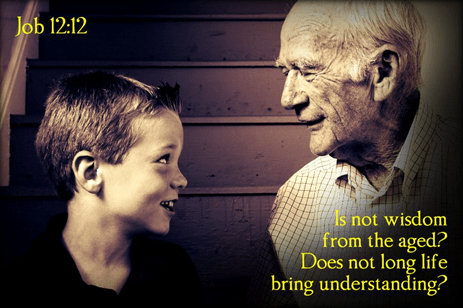
NOVEMBER 3, 2022 ANOTHER LOOK AT THE ISRAELITES PART 2 #21 2 CHRONICLES 20:1 – 30 JEHOSHAPHAT SUCCEEDS WHERE HIS FATHER FAILED

November 3, 2022

2 Chronicles 20:1 – 37 War against Jehoshaphat (Obadiah 1:1-14)

“After this, the Moabites and Ammonites, together with some of the Meunites, came to make war against Jehoshaphat. Then some men came and told Jehoshaphat, “A vast army is coming against you from Edom, from beyond the Sea; they are already in Hazazon-tamar” (that is, En-gedi).

Jehoshaphat was alarmed and set his face to seek the LORD. And he proclaimed a fast throughout Judah. So the people of Judah gathered to seek the LORD, and indeed, they came from all the cities of Judah to seek Him.

Jehoshaphat’s Prayer

Then Jehoshaphat stood in the assembly of Judah and Jerusalem in the house of the LORD, in front of the new courtyard 6and said, “O LORD, God of our fathers, are You not the God who is in heaven, and do You not rule over all the kingdoms of the nations? Power and might are in Your hand, and no one can stand against You.

Our God, did You not drive out the inhabitants of this land before Your people Israel and give it forever to the descendants of Abraham Your friend? They have lived in the land and have built in it a sanctuary for Your Name, saying, ‘If disaster comes upon us—whether sword or judgment, plague or famine—we will stand before this temple and before You, for Your Name is in this temple. We will cry out to You in our distress, and You will hear us and save us.’

And now, here are the men of Ammon, Moab, and Mount Seir, whom You did not let Israel invade when they came out of the land of Egypt; but Israel turned away from them and did not destroy them. See how they are repaying us by coming to drive us out of the possession that You gave us as an inheritance.

Our God, will You not judge them? For we are powerless before this vast army that comes against us. We do not know what to do, but our eyes are upon You.” Meanwhile all the men of Judah, with their wives and children and little ones, were standing before the LORD.

The Prophecy of Jahaziel

Then the Spirit of the LORD came upon Jahaziel son of Zechariah, the son of Benaiah, the son of Jeiel, the son of Mattaniah, a Levite from Asaph’s descendants, as he stood in the midst of the assembly. And he said, “Listen, all you people of Judah and Jerusalem! Listen, King Jehoshaphat! This is what the LORD says: ‘Do not be afraid or discouraged because of this vast army, for the battle does not belong to you, but to God. Tomorrow you are to march down against them. You will see them coming up the Ascent of Ziz, and you will find them at the end of the valley facing the Wilderness of Jeruel. You need not fight this battle. Take up your positions, stand firm, and see the salvation of the LORD on your behalf, O Judah and Jerusalem. Do not be afraid or discouraged. Go out and face them tomorrow, for the LORD is with you.’”

Then Jehoshaphat bowed facedown, and all the people of Judah and Jerusalem fell down before the LORD to worship Him. And the Levites from the Kohathites and Korahites stood up to praise the LORD, the God of Israel, shouting in a very loud voice.

The Enemies Destroy Themselves

Early in the morning they got up and left for the Wilderness of Tekoa. As they set out, Jehoshaphat stood up and said, “Hear me, O people of Judah and Jerusalem. Believe in the LORD your God, and you will be upheld; believe in His prophets, and you will succeed.”

Then Jehoshaphat consulted with the people and appointed those who would sing to the LORD and praise the splendor of His holiness. As they went out before the army, they were singing: “Give thanks to the LORD, for His loving devotion endures forever.”

The moment they began their shouts and praises, the LORD set ambushes against the men of Ammon, Moab, and Mount Seir who had come against Judah, and they were defeated. The Ammonites and Moabites rose up against the inhabitants of Mount Seir, devoting them to destruction. And when they had made an end to the inhabitants of Seir, they helped to destroy one another.

When the men of Judah came to a place overlooking the wilderness, they looked for the vast army, but there were only corpses lying on the ground; no one had escaped. Then Jehoshaphat and his people went to carry off the plunder, and they found on the bodies an abundance of goods and valuables —more than they could carry away. They were gathering the plunder for three days because there was so much.

The Joyful Return

On the fourth day they assembled in the Valley of Beracah, where they blessed the LORD. Therefore that place is called the Valley of Beracah to this day. (“Beracah” means blessing.)

Then all the men of Judah and Jerusalem, with Jehoshaphat at their head, returned joyfully to Jerusalem, for the LORD had made them rejoice over their enemies. So they entered Jerusalem and went into the house of the LORD with harps, lyres, and trumpets. And the fear of God came upon all the kingdoms of the lands when they heard that the LORD had fought against the enemies of Israel. Then Jehoshaphat’s kingdom was at peace, for his God had given him rest on every side.”

This is truly King Jehoshaphat’s finest hour! Facing the same crisis of faith that moved his father Asa to foolishly engage the Syrian army, Jehoshaphat trusts in the Lord. First, Jehoshaphat holds a prayer and praise meeting in Jerusalem. During that meeting, God sends a prophet to assure all assembled that the battle is the Lord’s and that He will fight for them.  

“This is what the LORD says: ‘Do not be afraid or discouraged because of this vast army, for the battle does not belong to you, but to God. Tomorrow you are to march down against them. You will see them coming up the Ascent of Ziz, and you will find them at the end of the valley facing the Wilderness of Jeruel. You need not fight this battle. Take up your positions, stand firm, and see the salvation of the LORD on your behalf, O Judah and Jerusalem. Do not be afraid or discouraged. Go out and face them tomorrow, for the LORD is with you.’”

 Jehoshaphat does something no other ruler has done before or since; he sends the praise team out ahead of the army. As praises arise, God sets ambushes for the attacking armies by causing them to fall upon one another, destroying one another completely. By the end of the day, only corpses are left and there is so much plunder that it takes the Judeans three days to collect it all.

The people of Judah return to Jerusalem praising God for His miraculous deliverance and His provision. The fear of God falls on all the surrounding nations when they realize how God has delivered Judah from such an enormous attacking force. Truly, God gives Jehoshaphat peace.

APPLICATION: It’s sad but true that many times, the pagan nations surrounding the Israelites have more respect for the God of Israel than do the Israelites. When God brought the Israelites safely through the Red Sea, drowning the Egyptian army, the word spread throughout the region. Time after time, God delivers the Israelites and they take miracles for granted while their pagan neighbors stand in awe. This time, Jehoshaphat and his people KNOW that God has delivered them and they are grateful.

But despite such a wonderful deliverance, there are still high places left in Israel. We know this because later in this same chapter, mention is made of Jehoshaphat’s failure to remove all of the high places. The people of Judah are impressed, but not so impressed that they are willing to totally give up their idols.

Before we feel too smug, we need to examine our own lives. Are we whole – heartedly following God, or do we also have idols? Oswald Chambers tells us, “We tend to think that God has some special interest in our particular prejudices and are very sure that He will never deal with us as He has to deal with others.” Chambers goes on to point out that God wants to deliberately remove everything in our lives that is not of Him. “There is only one thing God wants of us, and that is our unconditional surrender.” (Oswald Chambers, My Utmost for His Highest October 23)

PRAYER: Father God, thank You for loving us and for caring for us. Lord, help us to surrender everything to You, including our pet sins and our idols. In the mighty and precious Name of King Jesus. Amen.