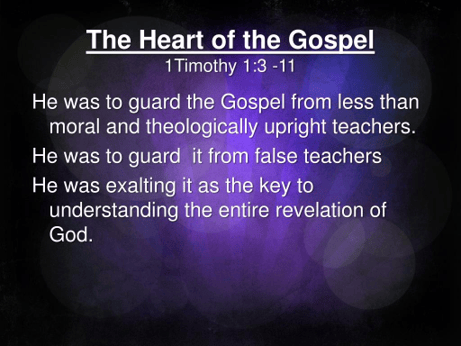
1 Timothy 1:3 As I urged you when I went into Macedonia, stay there in Ephesus so that you may command certain people not to teach false doctrines any longer 4 or to devote themselves to myths and endless genealogies. Such things promote controversial speculations rather than advancing God’s work—which is by faith.
Ancient Ephesus was not only a cultural melting pot but also a philosophical one. What were some of the key philosophies? An AI search reveals the following:
- Heraclitean Philosophy:
- Heraclitus, a native of Ephesus, is best known for his doctrine of change, encapsulated in the phrase “everything flows”. He emphasized the concept of the Logos, a principle of order and knowledge that governs the cosmos.
- Unity of Opposites:
- Heraclitus argued that opposites are necessary for harmony, suggesting that conflict is essential for balance in the universe.
Influence of Other Philosophical Traditions:
- Stoicism:
- The ideas from the Ephesian School, particularly the focus on the Logos, influenced later Stoic thought, which emphasized rationality and the natural order.
What’s lacking in all these philosophies is the idea of sin and how to be delivered from it. Sadly, all these lovely ideas are simply that, concepts that don’t actually help anyone come to grips with the fact that all of us are sinners who cannot free ourselves.
With a population of 250,000 in one of the major trading centers of the ancient world, Ephesus has no lack of sinners with every form of debauchery ever conceived. False teachers have sprung up, some of whom are trying to force believers to observe all the Mosaic laws plus the additional ones that have come since Moses. Other teachers are trying to blend Greek philosophy with the teachings of Jesus to make things more palatable. In the midst of this spiritual maelstrom, Timothy must find a way to cut through the confusion, confront those teaching falsehoods, and maintain the truth of the Gospel while discipling new believers.
5 The goal of this command is love, which comes from a pure heart and a good conscience and a sincere faith. 6 Some have departed from these and have turned to meaningless talk. 7 They want to be teachers of the law, but they do not know what they are talking about or what they so confidently affirm.
While the fundamental law of the Kingdom of God is love, Paul is not advising an “anything goes” kind of teaching. Proper teaching must come from a pure heart, a good conscience, and a sincere faith. Obviously, many of the self-styled teachers are promoting themselves; however, just like those people on the hillside who listened to Jesus give the sermon on the mount, those listening to these men realize they are not teaching with divine authority. Here Timothy has the advantage because God has chosen him to head the Ephesian church and God is giving him the authority to lead and to teach.
Notice also that Paul is not ignoring the Mosaic law. 8 We know that the law is good if one uses it properly. 9 We also know that the law is made not for the righteous but for lawbreakers and rebels, the ungodly and sinful, the unholy and irreligious, for those who kill their fathers or mothers, for murderers, 10 for the sexually immoral, for those practicing homosexuality, for slave traders and liars and perjurers—and for whatever else is contrary to the sound doctrine 11 that conforms to the gospel concerning the glory of the blessed God, which he entrusted to me.
So, Timothy is facing many challenges: he must hold fast to the teachings of Jesus, deliver the good news of salvation, and correct false teachers calmly and diligently. Reading these verses, many present-day pastors might realize that the problems haven’t changed. Cultures might change, and languages change, but the fundamental problems of the human race remain the same.
What will eventually happen to Timothy? Eventually, Timothy will become a bishop in Ephesus, traveling widely throughout the Roman Empire to strengthen churches. He will help bridge generational, cultural, and doctrinal gaps among believers. Timothy will serve as a model for leadership, mentoring many others. Although accounts differ, eventually, Timothy will be martyred for his faith in Ephesus at the age of 80. But before that happens, Timothy will have made a major contribution to the growth of the fledgling church.
The British have a saying, “Begin as you mean to go on.” Here at the beginning of ministry, Timothy is enjoying personal advice from Paul, one of the greatest theologians and leaders of all time. It is the principles in 1 Timothy and 2 Timothy that will help shape that ministry and guide Timothy for the rest of his career. As we study these letters, may God help us apply Paul’s advice to our own lives, knowing that God is the One who must teach us and guide us.
PRAYER: Father God, thank You for loving us and caring for us. Lord, help us to listen and learn from everything You are showing us in Paul’s letters to Timothy. In the mighty and precious Name of King Jesus. Amen.

